


CARACAS, Jan. 26 (Xinhua) -- "At any noise, we can't sleep. I have generalized sleep anxiety -- I only get sleepy around six in the morning, when the light comes," said Caracas resident Beverly Moreno, sharing her experiences after the U.S. military attack on Venezuela on Jan. 3.
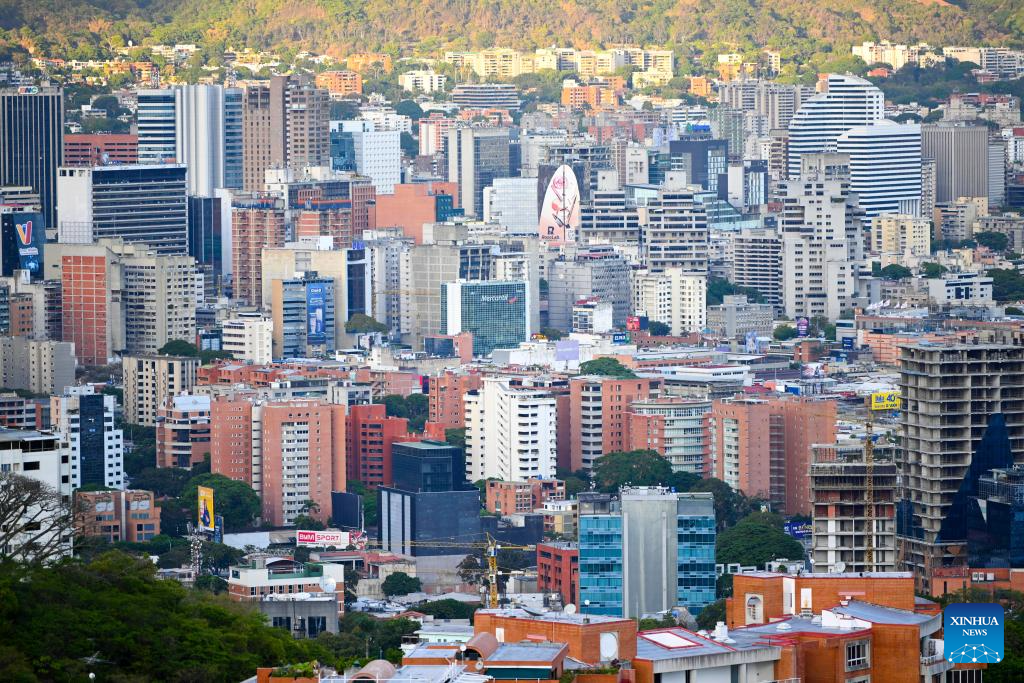
This photo taken on Jan. 9, 2026 shows a city view of Caracas, Venezuela. (Photo: Xinhua)
Moreno lives with her two daughters and her elderly mother in the Carlos Raul Villanueva housing complex, just a few meters from Fort Tiuna, a major military installation in southwestern Caracas that was bombed in the attack.
"Scared, terrified -- we end up standing by the windows until one or two in the morning," she said, detailing how her neighbors react to unfamiliar sounds or lights.
"Panic and terror" sums up the experience, she said. As night falls, Moreno suffers from heart palpitations, trembling and cold hands. "When I do manage to sleep, I have nightmares," she added. Her daughters also experience anxiety after dark.
Moreno said the psychological toll has spread through the community. "Most neighbors are affected," she said, adding that 211 families have received psychological support, many for panic attacks. "Children who were developing normally have regressed ... they cry constantly."
Broken windows in her apartment testify to the blast waves from the explosions. Damage is visible throughout the complex, where Moreno has lived for 15 years in an apartment provided under the government's Great Housing Mission Venezuela housing program.
In Simon Bolivar, a neighboring residential area, musician Jose Alejandro Delgado said he turned the experiences into a song. "Where is your love," the lyric asks, "when they bomb a people for no reason, forcing them to suffer so much pain?"
"There are no words to explain what it means to have missiles, bombs and helicopters attacking less than a kilometer from your home," Delgado said. Artists, he added, are affected like everyone else. "But we also understand our role, even when we're hurting, is to create cohesion and beauty out of hardship."
Despite the trauma, Delgado said he and fellow musicians have continued composing. "Our culture is peace," he said. "We want to create spaces where people feel supported and calm, where they can reflect."
Venezuelan authorities say the Jan. 3 attack killed more than 100 people, including civilians and military personnel -- an event unprecedented in the country in more than a century.
Psychologist and university professor Jose Garces described the aftermath as a "psychosocial trauma," drawing on studies of war-related trauma in Central America.
"There's depression, stress, pain ... everything at once," Garces said. Symptoms include insomnia, frequent crying, high anxiety, rapid heartbeat and sweating.
Garces said such trauma is often "unspeakable, unnamable," and even "unthinkable," with patients becoming psychologically repressed. He urged survivors to express what they experienced.
Venezuela's last comparable foreign attack occurred in 1902-1903, when European powers, including Britain, Italy and Germany, blockaded and attacked the country's ports.