


In October 2002, Xi Jinping went to Zhejiang Province to serve as deputy secretary of the Communist Party of China (CPC) Zhejiang Provincial Committee and acting governor of Zhejiang. When asked by a journalist to share his policy agenda, he replied with a smile, "I'm new here, so I am not yet in a position to speak."
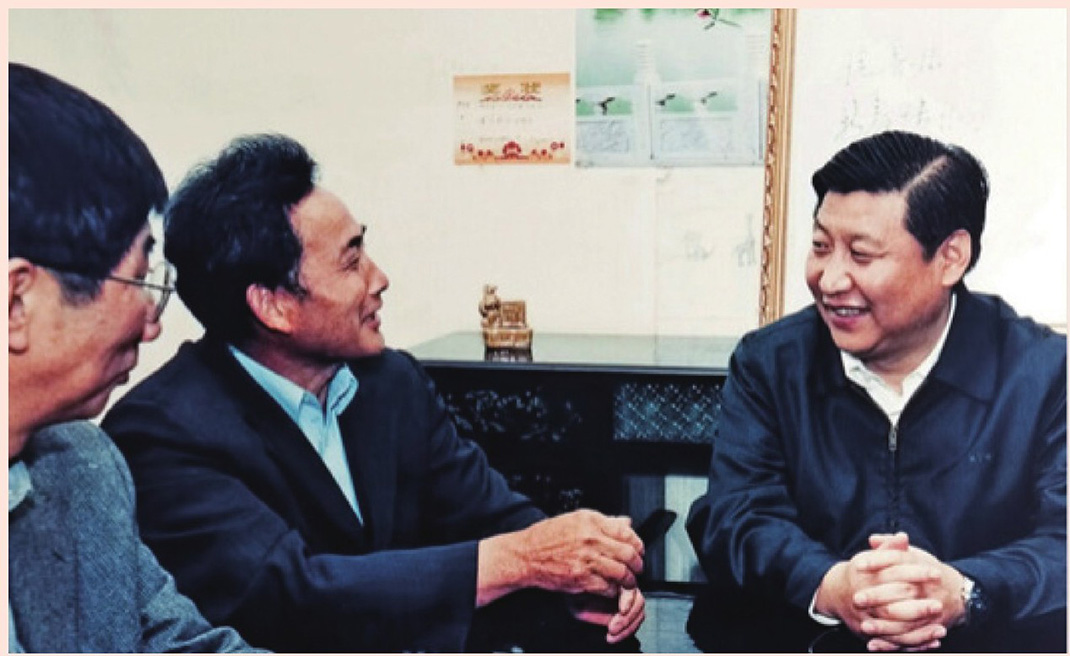
File photo: cpc.people.com.cn
No survey, no say. Soon afterward, he launched into a packed schedule of field visits.
Determined to maximize his time for investigation and research, Xi worked more than 12 hours a day, with most weekends spent on grassroots visits.
At a symposium with local officials in Wenzhou, he was asked to deliver important instructions. He replied, "I've only been in Zhejiang for a short time. How could I have so many 'important instructions'? My visits across the province are mainly about getting familiar with local conditions and understanding Zhejiang." In just over two months, he visited all 11 prefecture-level cities across the province.
On February 10, 2003, the CPC Zhejiang Provincial Committee's theoretical study group held a session on investigation and research. "The whole year's work depends on a good start in spring. To kick off the year, we've chosen investigation and research, starting with a change in work style to address major issues of overall importance," Xi noted.
He added that to tackle the challenges arising from development, "we can't just sit in our government offices. We have to go to the grassroots, conduct research, seek ideas from local officials and the people and explore ways to solve problems."
After intensive research and meticulous deliberation, Xi systematically put forward the "Double-Eight Strategy" in July 2003. It identified eight strengths Zhejiang possessed in its economic structure, geographic location, industries, coordinated urban-rural development, ecology, mountain and ocean resources, environment and culture, along with eight measures to capitalize on those strengths.
The strategy tailored measures to Zhejiang's specific conditions and set the direction for its economic and social development under the new circumstances.