


China has implemented its first national standard for evaluating "happy rivers and lakes" starting May 1, turning "river happiness" into measurable indicators.
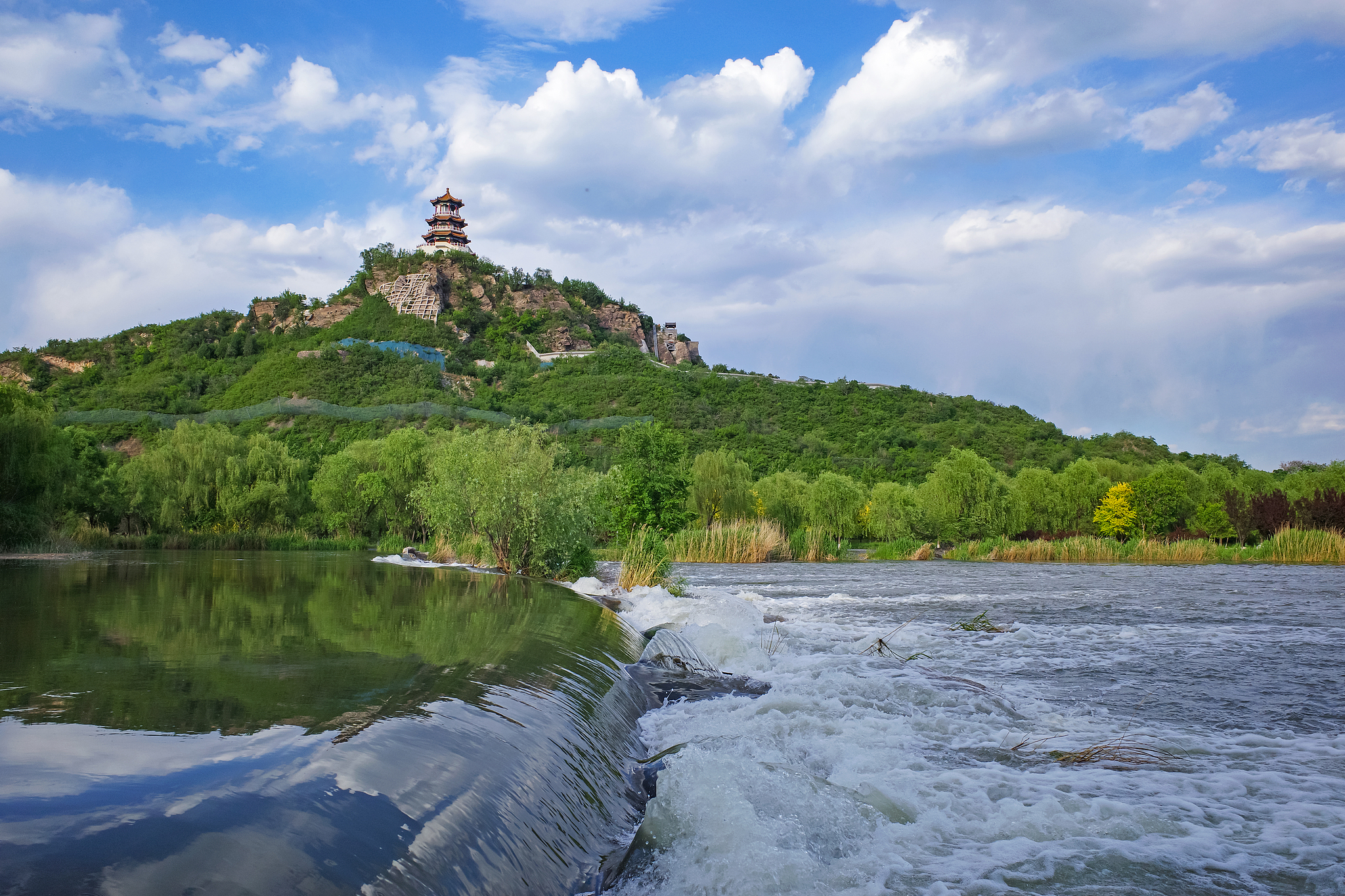
A view of the Yongding River, Beijing, China. (Photos: VCG)
The standard defines five dimensions – flood safety, ecological health, landscape quality, cultural value and development benefits – providing a unified benchmark for river and lake governance, and connecting ecological protection with public wellbeing.
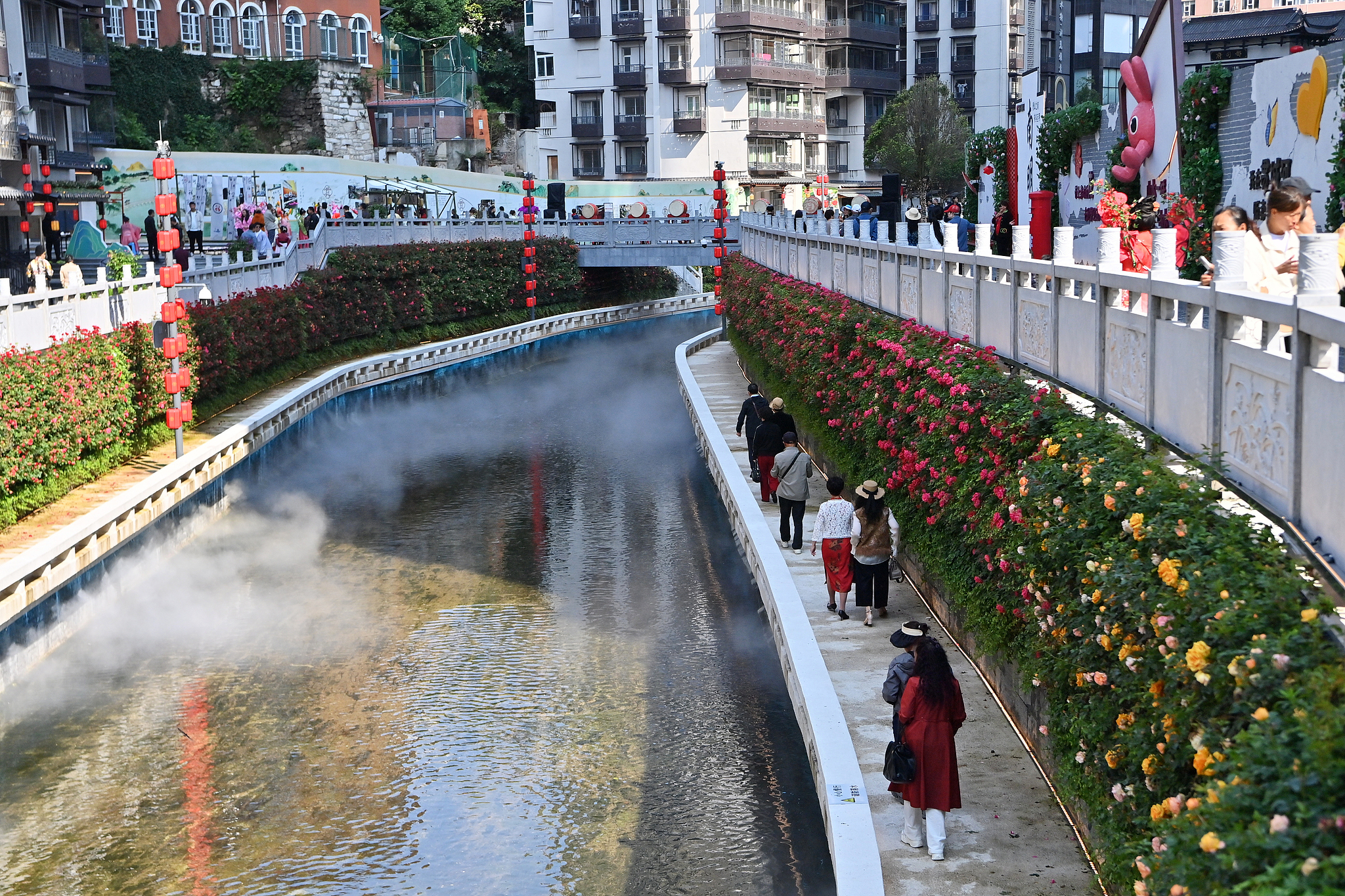
A section of the Guancheng River in Guiyang, Guizhou Province, southwest China, April 30, 2026.
The Guancheng River in Guiyang, capital of southwest China's Guizhou Province, once covered for around 20 years due to pollution, has been restored through ecological rehabilitation and reopened as a public waterfront space with new riverside amenities.
In Chaoyang District, Beijing, youth "river chiefs" along the Liangma River help monitor water quality and have engaged thousands in river protection activities.
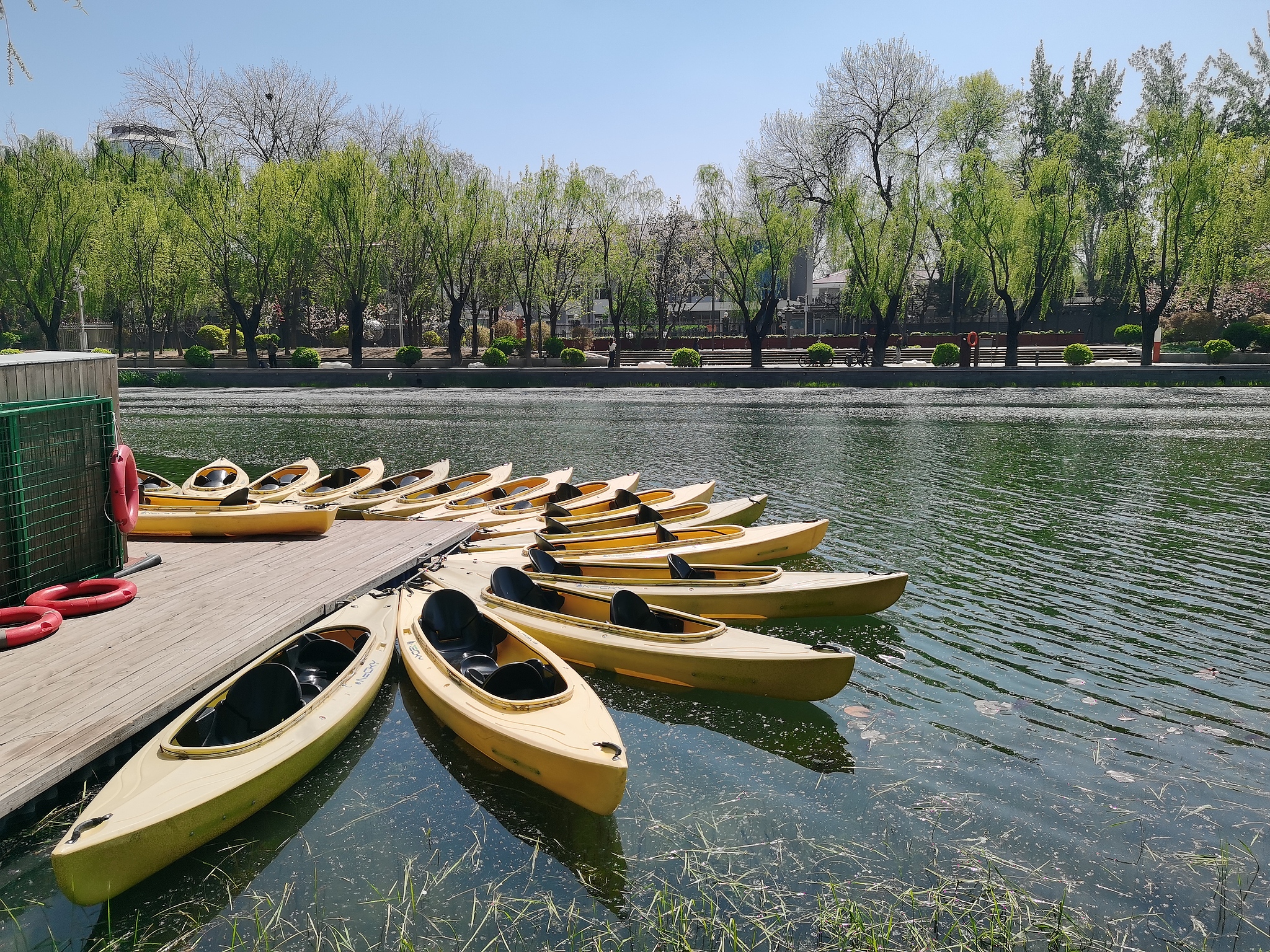
A view of the Liangma River, Beijing, China, April 10, 2026.
China has now built 5,522 "happy rivers and lakes," and plans to further expand the system nationwide with more flagship projects by 2030.
The Yongding River, Beijing's "mother river," has recovered from decades of drying and ecological degradation through water replenishment and pollution control.
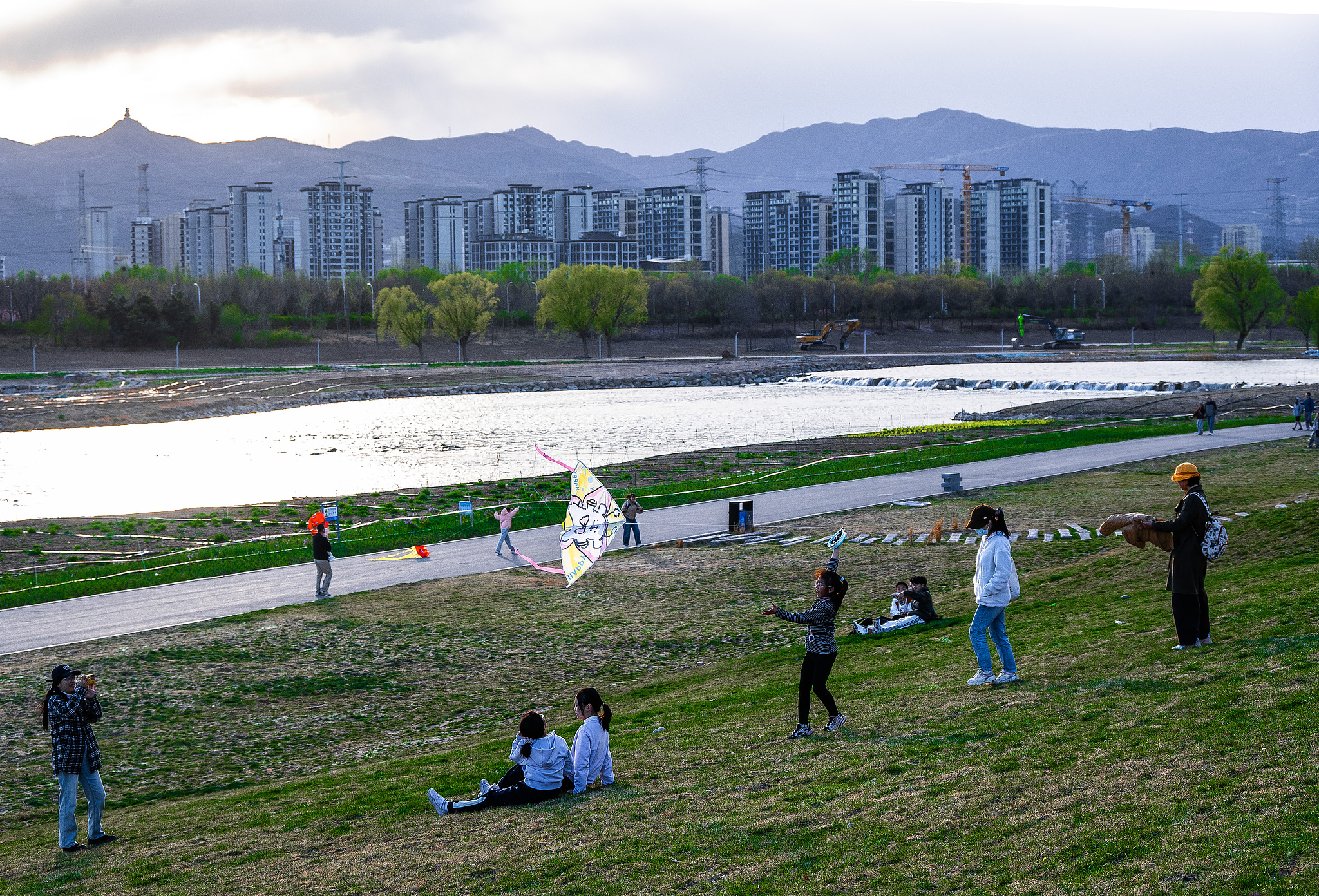
People enjoy the spring time by the Yongding River, Beijing, China, April 5, 2026.
It achieved full-course flow in 2021 and has remained connected for five consecutive years. Today it links Shougang Park and Beijing Garden Expo Park, forming a continuous green corridor that integrates ecology, flood control and public recreation, with riverside spaces now widely used for leisure and cultural activities.