


Jingmai Mountain: Explore China's living tea heritage site
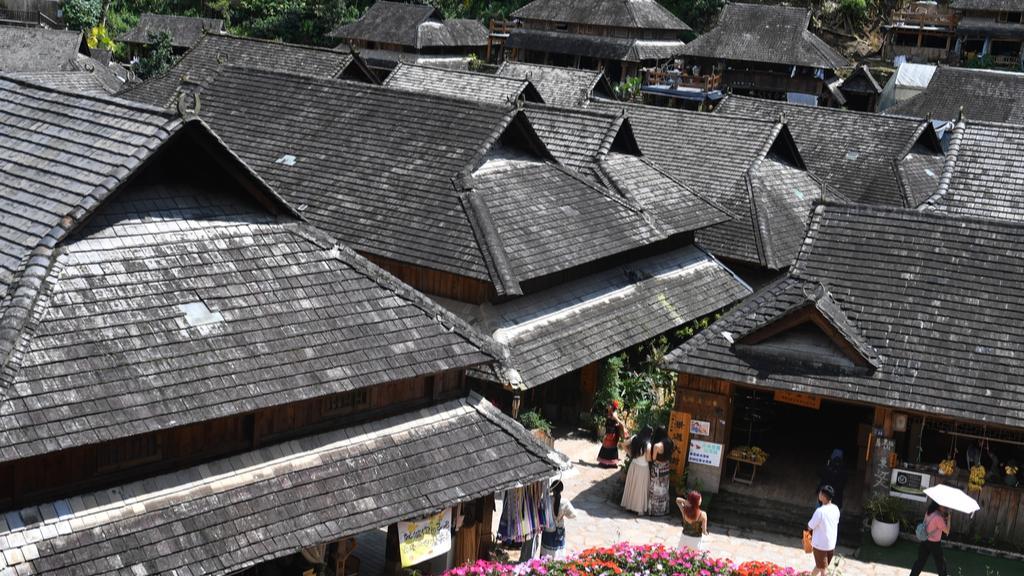
Traditional village architecture is seen on Jingmai Mountain in Pu'er, southwest China's Yunnan Province, on August 29, 2026. (Photos: IC)
Nestled in Pu'er, southwest China's Yunnan Province, the Cultural Landscape of Old Tea Forests of Jingmai Mountain was inscribed on the UNESCO World Heritage List in 2023 as the world's first tea-themed heritage site. Spanning thousand-year-old tea forests, natural protective woodlands, and nine historic Bulang and Dai villages, the region stands as a living testament to sustainable mountain agriculture and indigenous culture.
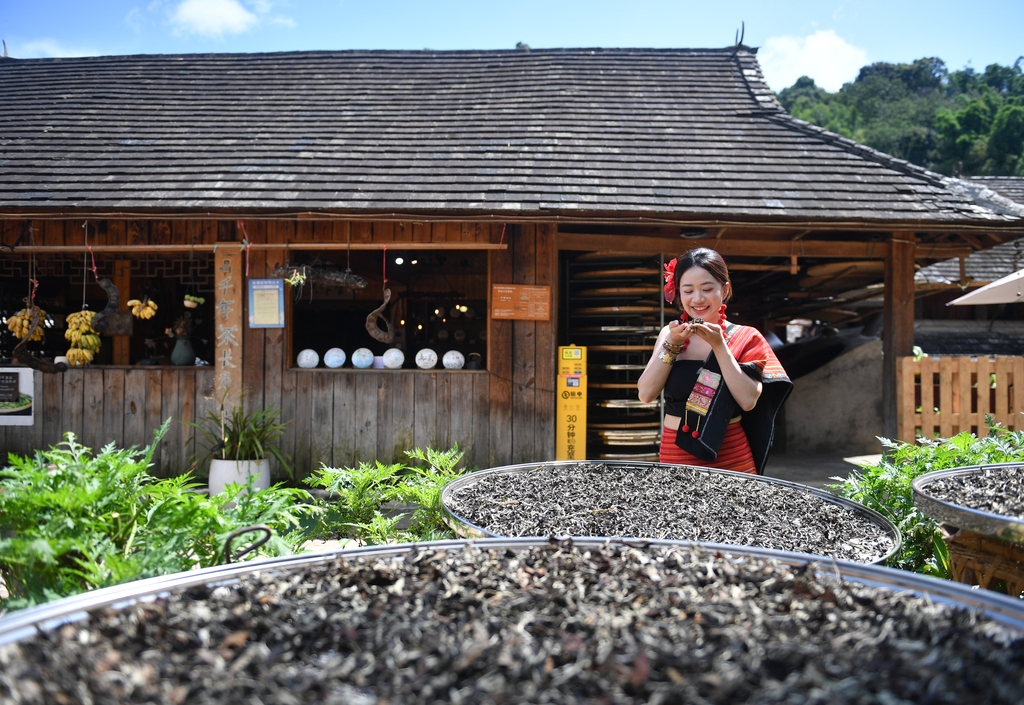
A local woman inspects drying tea leaves on Jingmai Mountain in Pu'er, southwest China's Yunnan Province, on August 29, 2026.
For over a millennium, local communities have cultivated wild tea trees under the shade of the natural forest canopy, creating a unique understory farming system that integrates seamlessly into the surrounding ecosystem. Guided by ancient ancestor beliefs and deep ecological wisdom, this harmonious bond between human practice and nature has survived modern industrial technology, preserving extraordinary biological and cultural diversity.
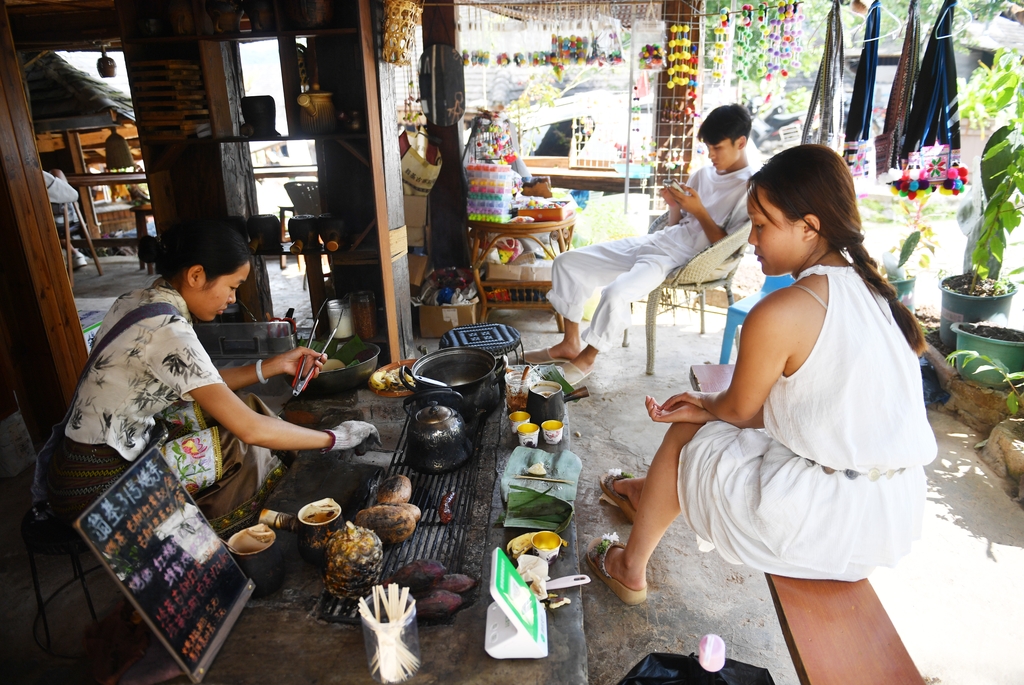
Visitors immerse themselves in traditional tea culture on Jingmai Mountain in Pu'er, southwest China's Yunnan Province, on August 29, 2026.
Today, Jingmai Mountain offers travelers an immersive journey into the roots of global tea culture. Visitors can wander through mist-shrouded ancient groves, experience centuries-old harvesting and processing traditions firsthand, and see how timeless heritage and everyday life remain deeply intertwined.