


Several dozen people have died across the United States as frigid cold grips the country, while crews rushed to repair hundreds of thousands of power outages and forecasters warned conditions would worsen.
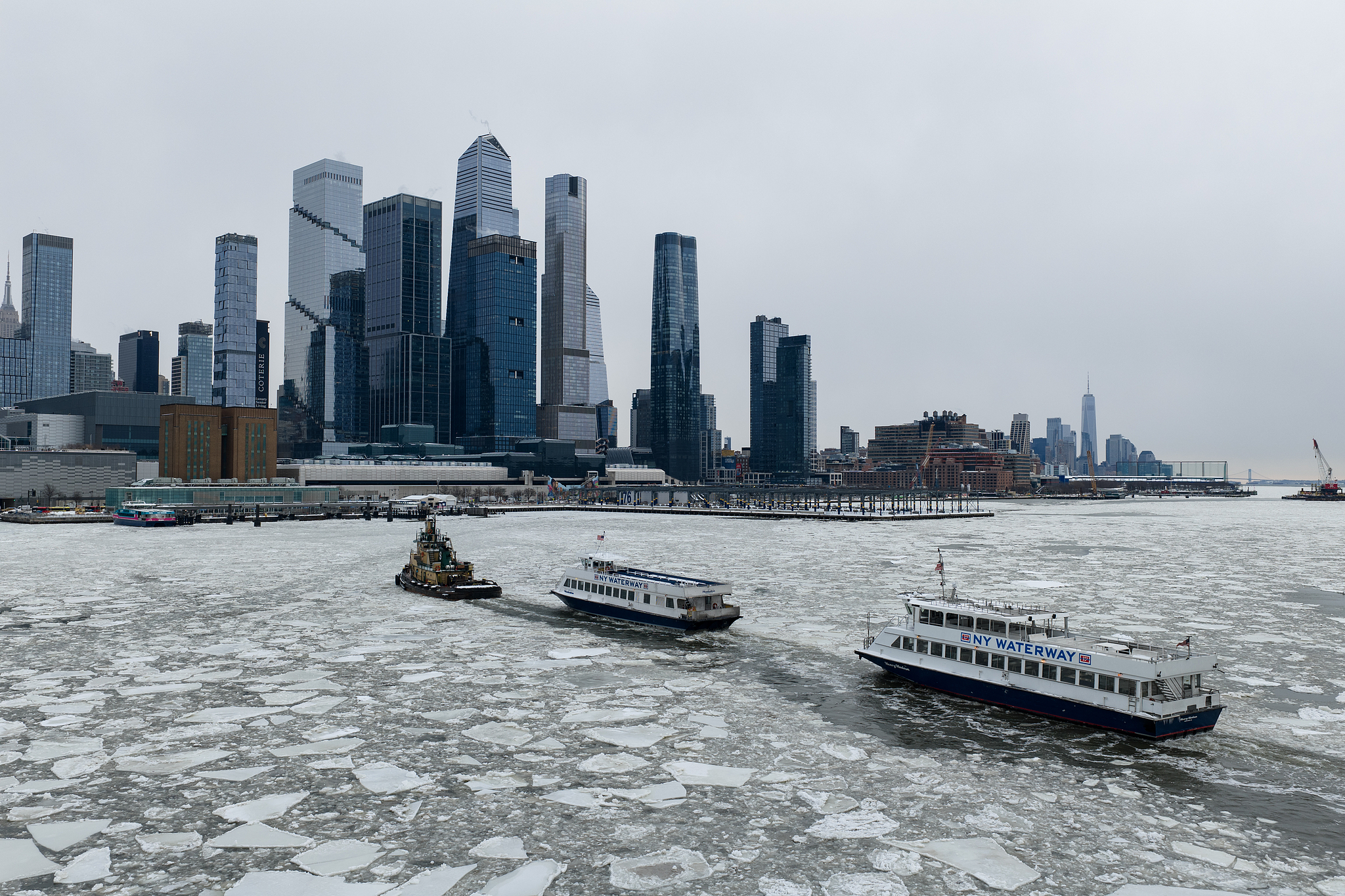
Ice floes and partially frozen sections of the Hudson River are seen following a heavy winter snowstorm in New York, the U.S., January 27, 2026. /VCG
A massive winter storm dumped deep snow across more than 1,300 miles from Arkansas to New England and left parts of the South coated in ice. Freezing temperatures stretched as far south as Tennessee, Arkansas and North Carolina, with parts of northern Florida expected to drop to about minus 4 degrees Celsius.
The U.S. aviation system began returning to normal after more than 17,000 flights were canceled over the weekend. About 6,300 flights were canceled Monday and roughly 2,500 Tuesday, with fewer than 500 expected Wednesday.
Forecasters said another winter storm could hit parts of the East Coast this weekend, bringing more record lows as far south as Florida. The National Weather Service warned the cold could be the most severe in years for some areas.
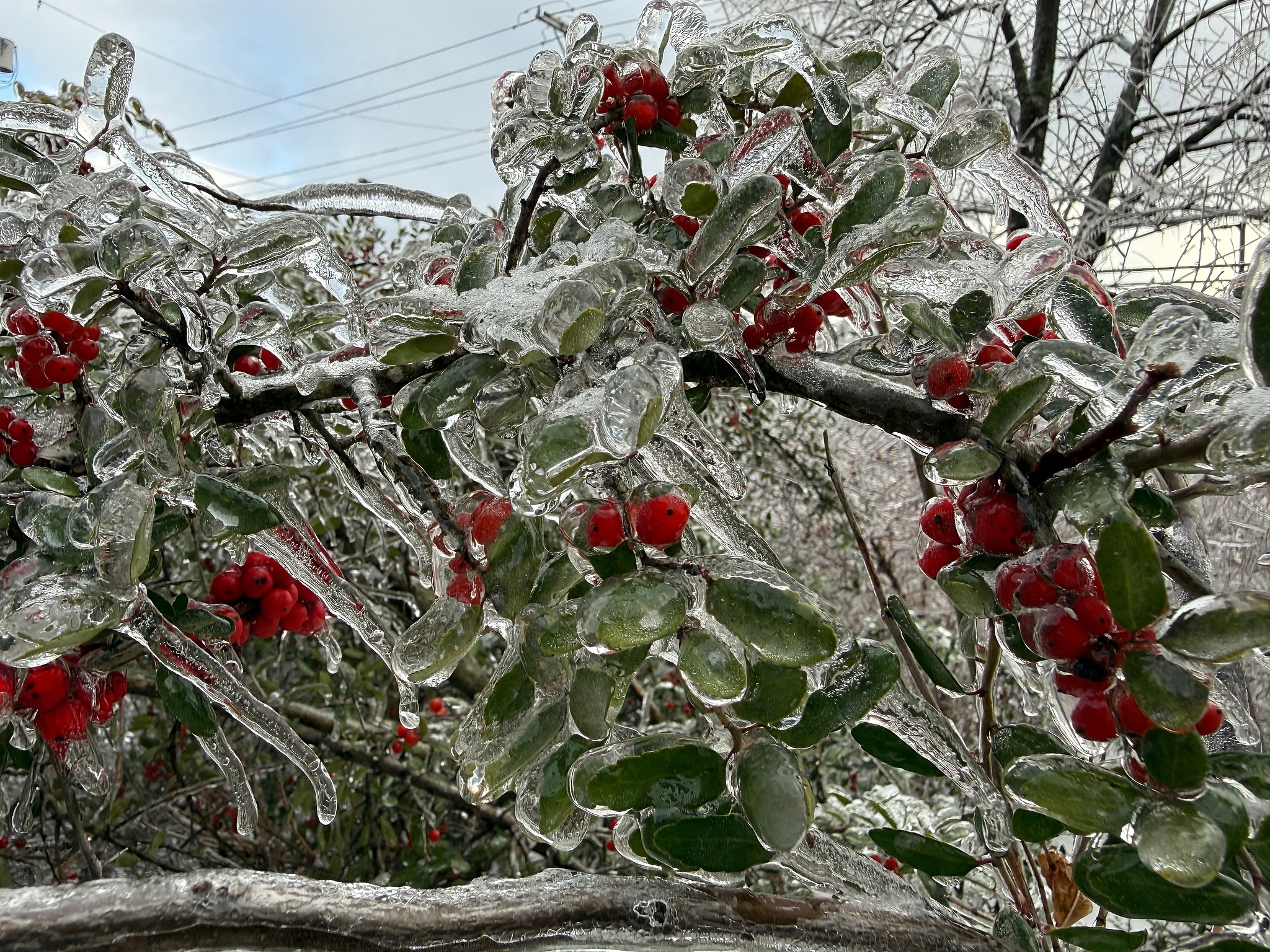
Ice coats a yaupon holly in Nashville, Tennessee, the U.S., January 27, 2026. /VCG
More than 410,000 homes and businesses were without power Tuesday evening, with over half of outages in Tennessee and Mississippi. Temperatures in some areas were expected to drop into the single digits later this week.
Officials reported at least 50 storm-related deaths. They included children who fell through ice in Texas, carbon monoxide exposure linked to unsafe heating practices, and people found dead outdoors in major cities. Deaths were also reported from snow-related accidents and lack of heat in homes.
Dozens of Mississippi counties requested emergency supplies, and the National Guard assisted with deliveries. Health officials warned against using gas stoves for heating due to carbon monoxide risks.
In Tennessee, more than 110,000 outages remained in Nashville, where hundreds sought shelter at community centers. Schools in parts of North Carolina closed again because of icy conditions. In Kentucky, officials warned that even brief exposure to the cold could cause frostbite or hypothermia.