


The World Health Organization (WHO) has issued guidelines to help the public reduce the risk of Nipah virus infection. The agency assesses the risk posed by Nipah virus as moderate at the sub-national level and low at the national, regional and global levels.
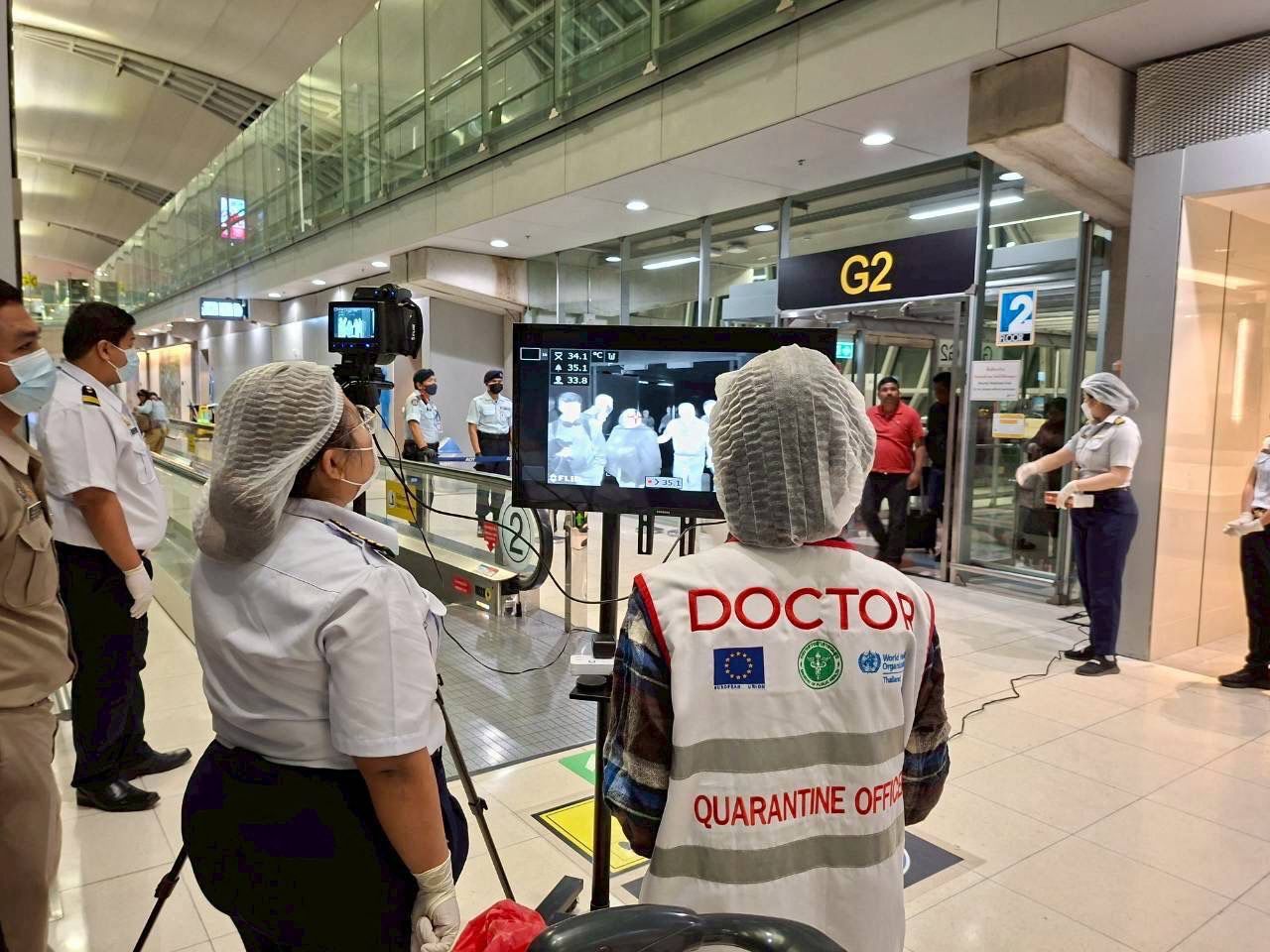
Medical personnel implement health screening measures for international passengers at Suvarnabhumi International Airport in Bangkok, Thailand, January 25, 2026. (Photo: ICphoto)
Cutting bat-to-human transmission
Prevention efforts should first aim to minimize bat contact with human food sources. Freshly collected date-palm sap must be boiled before consumption, and fruits should be thoroughly washed and peeled. Any fruit showing signs of bat bites should be discarded immediately.
Reducing animal-to-human spread
When handling sick animals such as pigs or horses – especially during slaughter or culling – gloves and protective clothing are essential. In virus-affected areas, new pig farms should be located away from fruit bat habitats, and animal feed and shelters should be secured against bat access wherever possible.
Controlling outbreaks in pig farms
During previous farm-related outbreaks, effective measures included routine farm disinfection, quarantine of suspected premises, supervised culling and safe disposal of infected animals, and strict movement controls on livestock from affected farms.
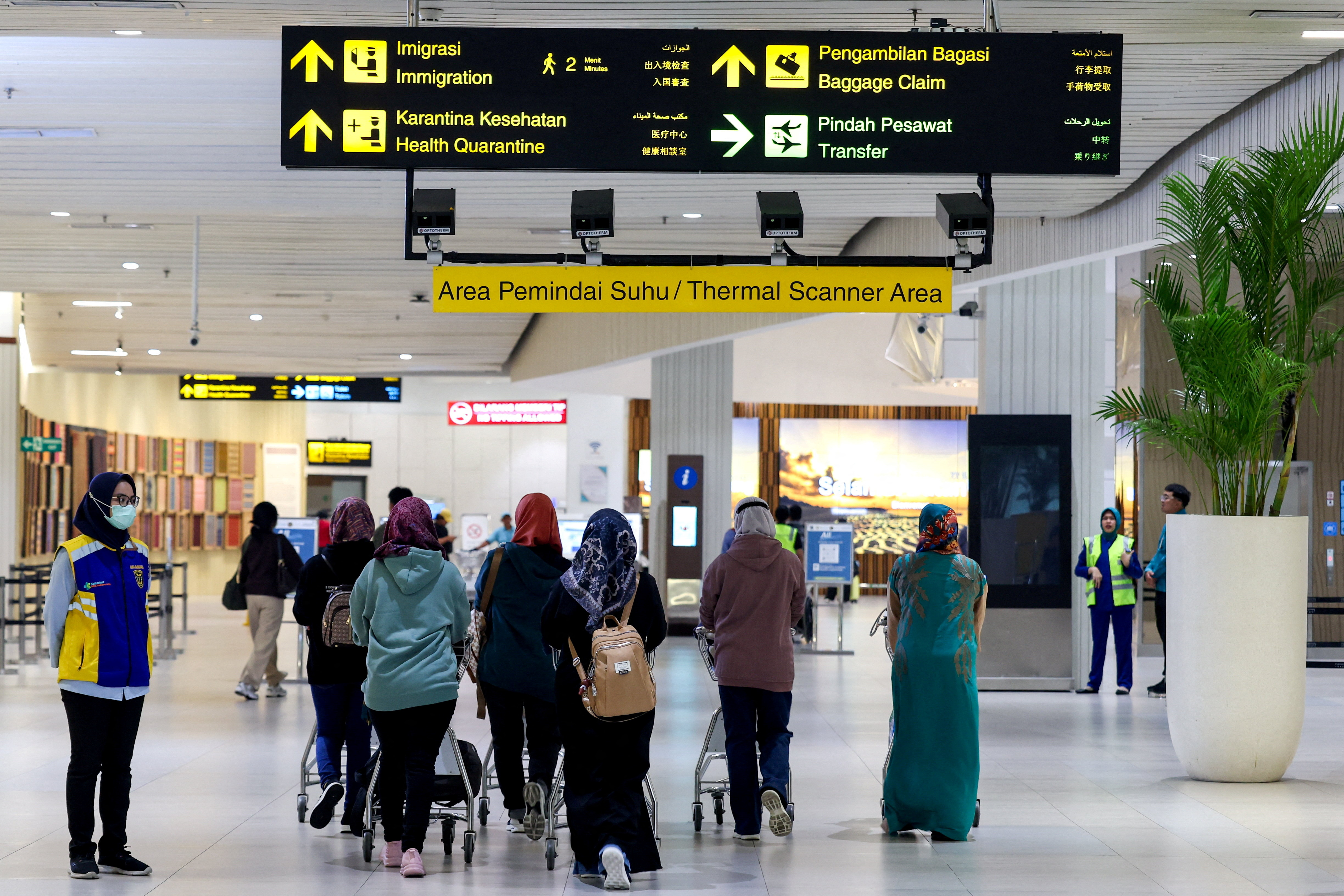
Travelers pass through thermal scanning zones at Jakarta International Airport (Soekarno-Hatta), Indonesia, January 30, 2026. (Photo: ICphoto)
Limiting human-to-human transmission
Individuals with Nipah-like symptoms, such as fever or headache, should seek medical care promptly, as early supportive treatment is critical in the absence of specific drugs. Close unprotected contact with patients should be avoided, and hands should be washed thoroughly and consistently after contact with sick individuals.
Strengthening healthcare infection control
Healthcare workers are advised to apply standard precautions. Suspected or confirmed cases should be isolated in single rooms. Contact and droplet precautions – including a well-fitted medical mask, eye protection, gown and gloves – are required during patient care. For aerosol-generating procedures, airborne precautions must be followed, including the use of respirators and placing the patient in a negative-pressure room. Similar protective measures should also apply to family members and caregivers visiting patients.