


Medical MRI scan images showing the patient's chest condition. /CFP
In a medical advance that sounds like science fiction, surgeons have successfully used a "total artificial lung" system to keep a man alive for two days without any lungs in his body. The procedure provided a critical 48-hour window that allowed the patient to recover from a deadly infection before receiving a life-saving double lung transplant.
The case, detailed in the Cell Press journal Med, marks a significant progress in transplant medicine and "salvage therapy" for patients previously considered beyond help.
A desperate race against sepsis
The patient, a previously healthy 33-year-old man, was admitted to Northwestern Memorial Hospital in early 2023 after contracting Influenza B virus. His condition rapidly spiraled into acute respiratory distress syndrome (ARDS) and necrotizing pneumonia – a severe infection that causes lung tissue to die.
Despite being on a ventilator and a standard heart-lung bypass machine (ECMO), the patient suffered from refractory septic shock, multiple cardiac arrests and kidney failure. The infection was so deep-seated that no amount of antibiotics could clear it while the diseased lungs remained in his chest.
48 hours: Engineering a bridge to life
Faced with a mortality risk exceeding 80 percent, the surgical team, led by Dr. Ankit Bharat, chief of thoracic surgery in the Department of Surgery, Northwestern University Feinberg School of Medicine, decided to perform a bilateral pneumonectomy – the complete removal of both lungs – to physically strip the infection from the body.
However, removing both lungs creates a massive void in the circulatory system. To solve this, the team developed an extracorporeal Total Artificial Lung (TAL) system. This custom-engineered circuit did more than just breathe for the patient, rather, it replaced the entire internal plumbing of the chest.
A map of the TAL circuit that provides oxygen and stabilizes heart pressure during the 48-hour gap. /Courtesy of Cell Press journal Med
The custom TAL system functioned as a complete circulatory bridge, using specialized shunts and external units to oxygenate the blood and scrub carbon dioxide. More than just a breathing machine, it featured dual return lines that carefully regulated blood flow back to the heart, ensuring the organ remained stable and continued to pump naturally even with the lungs missing.
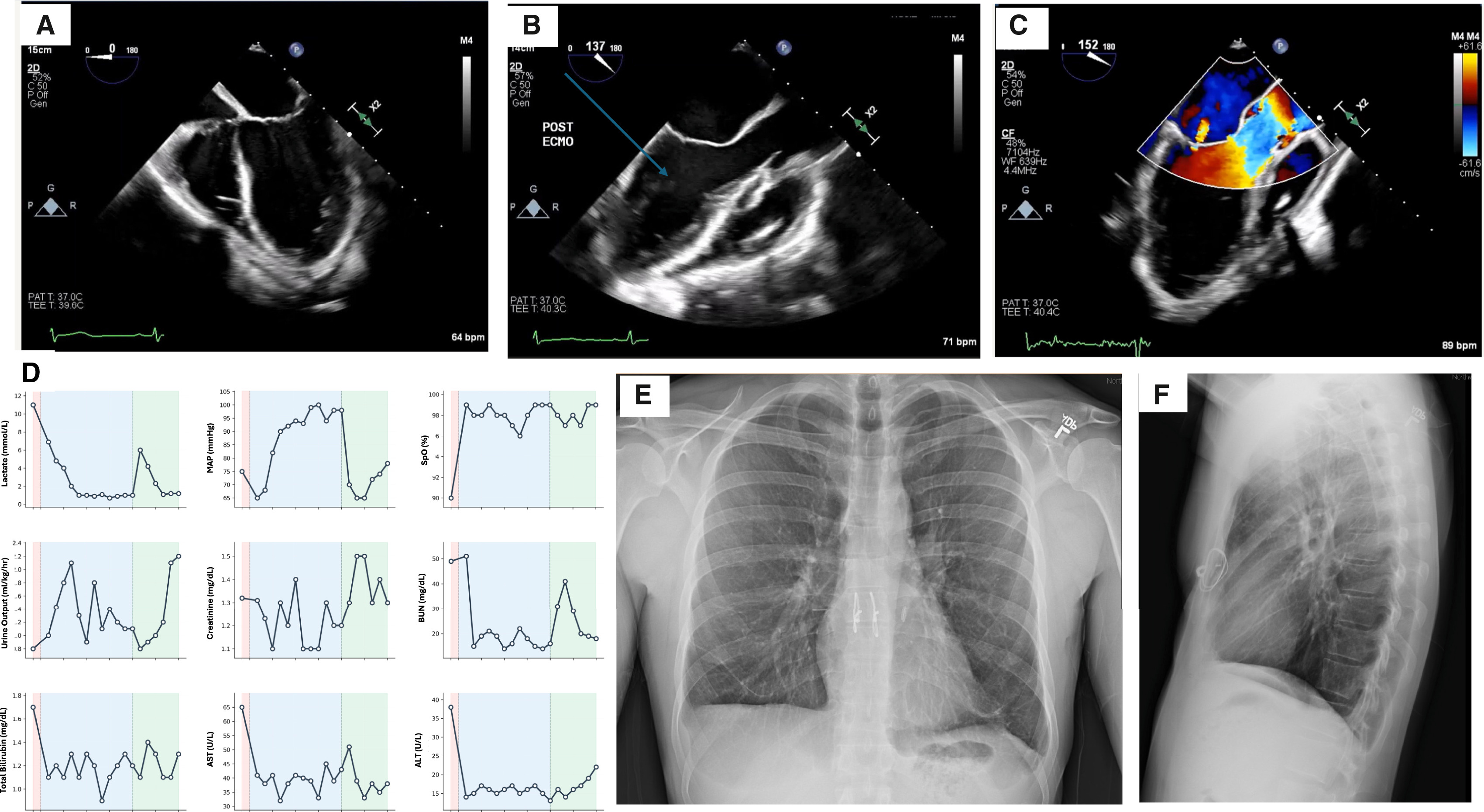
The results were immediate. Once the infected lungs were removed, the source of the sepsis vanished. Within 48 hours, the patient's blood pressure stabilized, his kidney function returned to normal, and he no longer required medication to keep his heart beating.
While the patient was supported by the machine, researchers analyzed his removed lungs. They discovered "irreversible injury," with the normal air sacs completely replaced by scar tissue and inflammatory cells, proving that a transplant was his only hope for survival.
A future for the critically-ill
The patient underwent a successful double lung transplant two days later. Today, more than two years after the surgery, he maintains excellent lung function and shows no signs of organ rejection.
While the engineering is being hailed as "remarkable" by international experts, some caution remains. Dr. Natasha Rogers, a senior staff specialist in nephrology at Westmead Hospital in Sydney, noted that this approach requires a massive, highly specialized team and can currently only be performed at world-class medical centers.
Dr. Bharat remains optimistic, however, hoping this technology will become a standard lifeline for the most critically-ill patients waiting for a second chance at life.