


An international research team has identified a key odorant receptor that enables mosquitoes to detect and avoid a certain natural repellent compound, offering new hope for more effective and environmentally friendly mosquito control, the Hebrew University of Jerusalem said in a statement Tuesday.
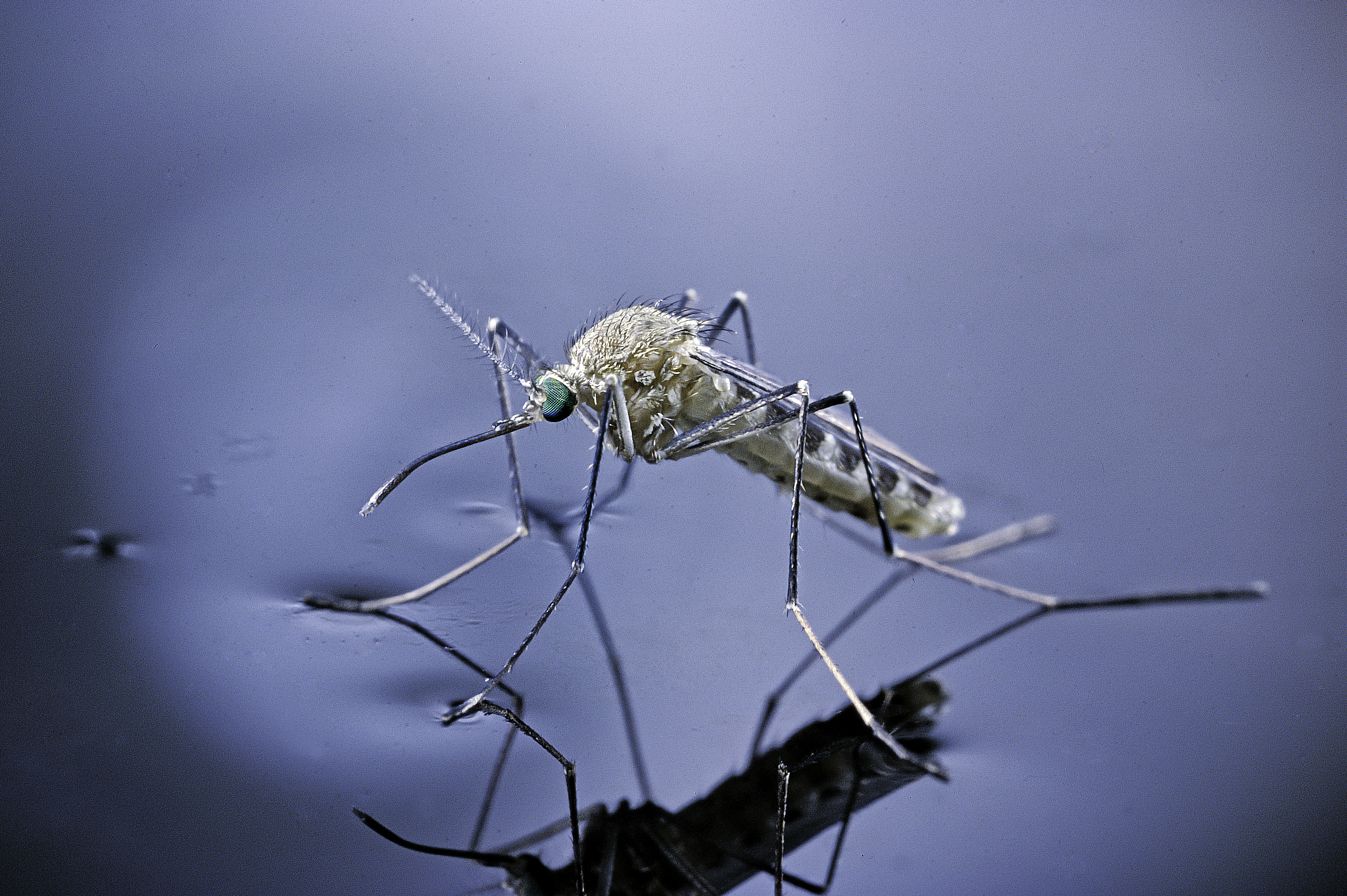
A Culex. (Photo: VCG)
The study, published in Nature Communications, brought together researchers from China and several other countries including Israel, the United States and Sweden. It found that a highly conserved receptor called OR49 responds to borneol, a natural compound found in camphor tree oils.
Activating OR49 triggers a neural pathway that overrides the insects' attraction to human scents, causing them to steer away. When the receptor was genetically disabled, mosquitoes no longer avoided borneol, confirming its essential role in the repellent effect.
The receptor was shown to function in major disease-carrying species, including Aedes aegypti (Egyptian mosquito) and Culex (typical mosquitoes), which transmit illnesses such as dengue, Zika and West Nile virus. Behavioral tests showed that mosquitoes exposed to borneol spent significantly less time near human skin.
Understanding how mosquitoes sense repellents is increasingly important as resistance to conventional chemical repellents grows and concerns over their environmental and health impacts mount, the researchers said. By targeting the insect's own sensory wiring, future repellents could be more precise, longer-lasting, and safer for humans and ecosystems.
The findings also shed light on history: camphor- and borneol-rich materials from Borneo were once traded into China and circulated along the Maritime Silk Road for fragrance, medicinal value, and insect-repelling properties. The newly identified OR49 pathway helps explain their lasting effectiveness.