


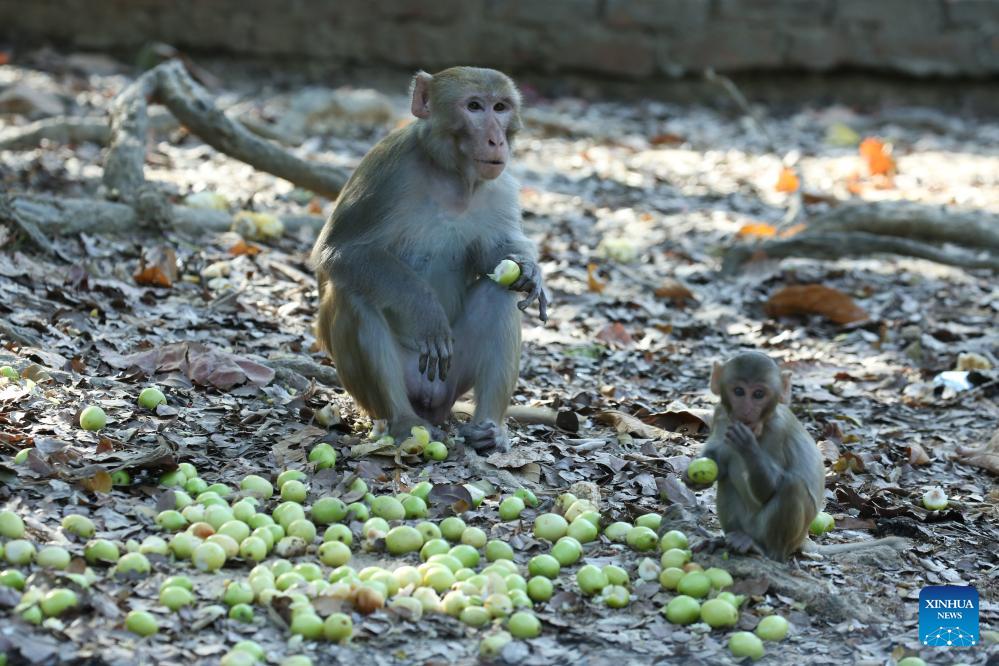
Monkeys are seen at Hlawga Park in Yangon, Myanmar, March 1, 2026. (Xinhua/Myo Kyaw Soe)
YANGON, March 3 (Xinhua) -- World Wildlife Day is observed annually on March 3 to raise awareness of the importance of protecting wild animals, plants, and the ecosystems on which they depend.
Myanmar is one of the world's biodiversity-rich countries. With its mountains, forests, rivers, wetlands, long coastline, and coral reefs, the country is home to an extraordinary range of wildlife and plant species.
According to the Forest Department under Myanmar's Ministry of Natural Resources and Environmental Conservation, Myanmar hosts more than 11,800 plant species, about 365 mammal species, over 1,100 bird species, around 120 amphibian species, 290 reptile species, 1,100 freshwater and marine fish species, about 130 coral species, 11 species of seagrass, and 38 types of seaweed.
Myanmar is also home to globally endangered species such as tigers, elephants, and whales among many others, highlighting the country's global importance in biodiversity conservation, it said.
"This rich biodiversity, including rare and endangered animals as well as valuable medicinal and aromatic plants, is a precious natural heritage that must be protected," said Khin Nyein San, a staff officer from the Nature and Wildlife Conservation Division under the Forest Department.
Wildlife conservation is not only about saving animals from extinction, she said. Medicinal and aromatic plants play a vital role in ecosystems by providing food and shelter for wildlife, while also serving as essential sources of medicine, fragrance, and traditional remedies for humans. And they also contribute to livelihoods and the economy.
Young people are encouraged to love and value nature and to actively participate in conservation efforts in the Southeast Asian country. "By protecting wildlife and plants today, we can preserve a greener, healthier, and more beautiful planet for future generations," Khin Nyein San said.
Yangon Zoo plays an important role in wildlife and plant conservation. The zoo preserves more than 200 plant species and houses over 1,400 animals. Each year, it organizes World Wildlife Day activities to raise public awareness, an official from the zoo said.
Hlawga Park in Yangon, established in 1989, is another key conservation site. According to Than Tun Oo, deputy general manager of the park, Hlawga is home to more than 3,000 animals.
The park also contains more than 100 species of naturally grown trees and over 30 species of medicinal plants, he said.
Hlawga Park preserves wildlife and forest ecosystems together, offering visitors the experience of a natural forest environment with water pools, deciduous and swamp forest areas, balanced weather conditions, and suitable habitats for animals, he added.
The park also serves as an important learning site, where students and researchers conduct academic studies.
San Lwin Oo, staff officer from the Forest Department, said the department conducts educational talks and training programs on wildlife conservation in collaboration with NGOs and international organizations.
"In the past, some locals hunted wild animals for food, but through conservation programs, many now actively protect wildlife," he said.
"While gems are valuable, wild animals and forests are equally precious as a part of national biodiversity," he added.
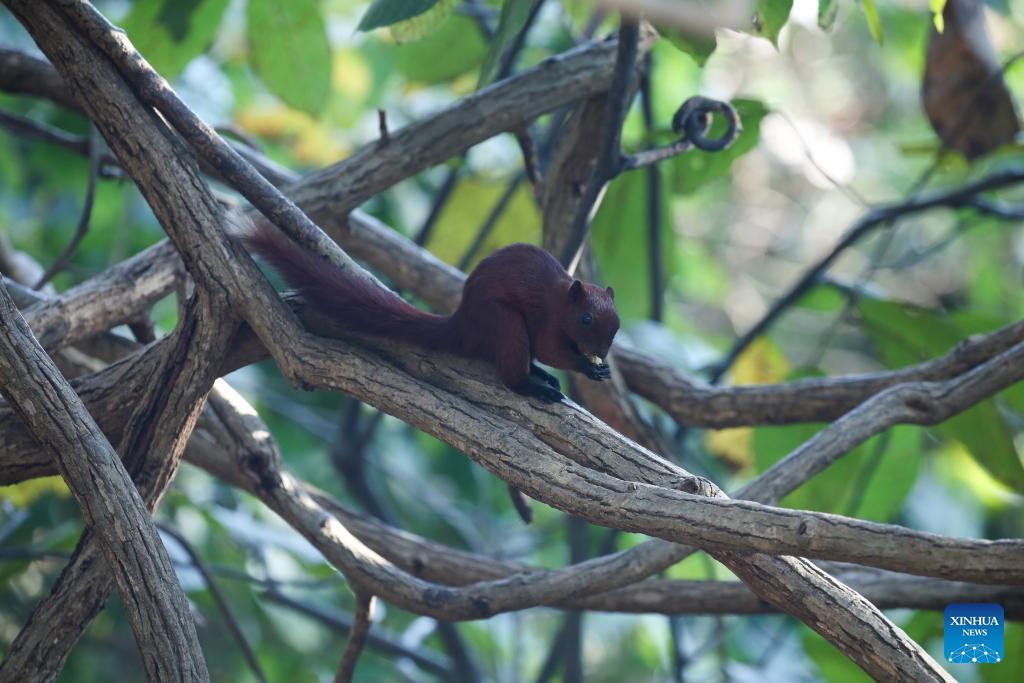
A squirrel is seen at Hlawga Park in Yangon, Myanmar, March 1, 2026. (Xinhua/Myo Kyaw Soe)
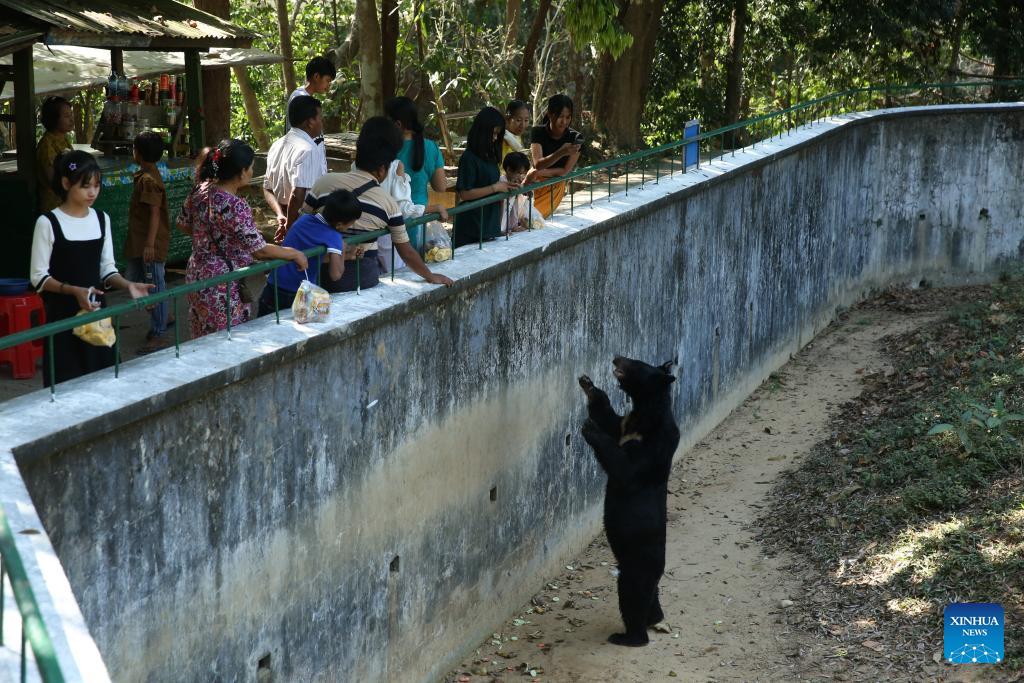
People visit Hlawga Park in Yangon, Myanmar, March 1, 2026. (Xinhua/Myo Kyaw Soe)
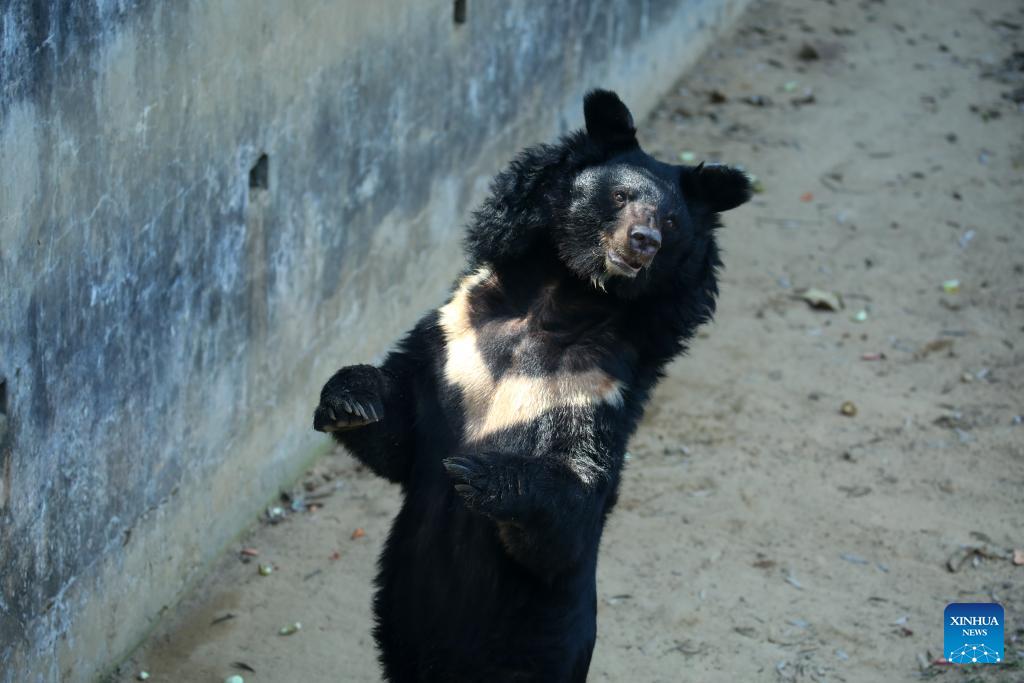
A bear is seen at Hlawga Park in Yangon, Myanmar, March 1, 2026. (Xinhua/Myo Kyaw Soe)
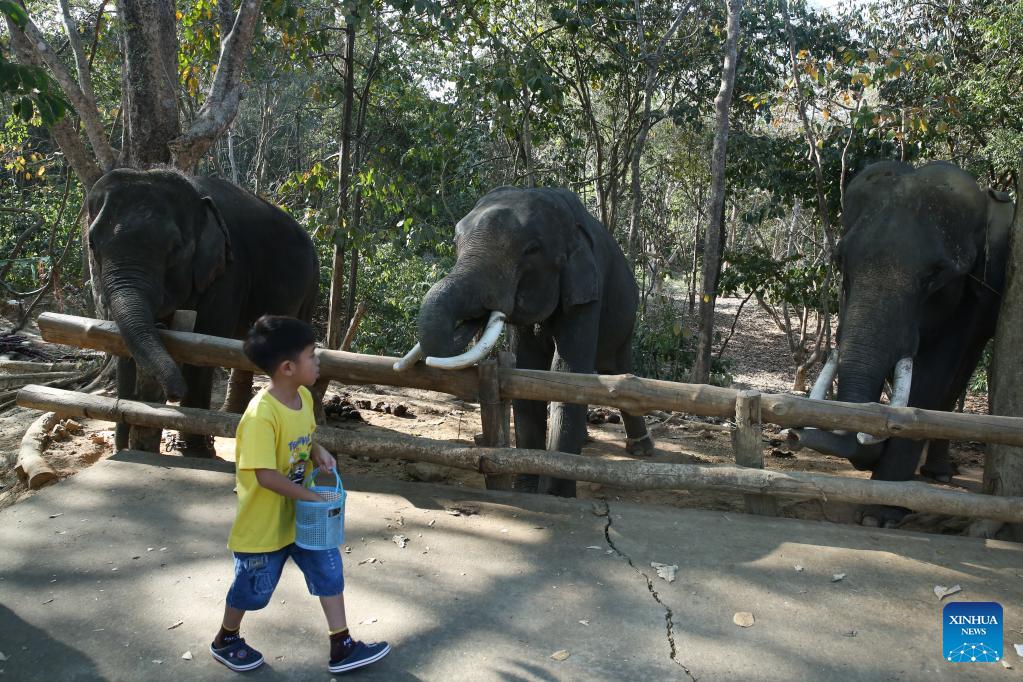
Elephants are seen at Hlawga Park in Yangon, Myanmar, March 1, 2026. (Xinhua/Myo Kyaw Soe)
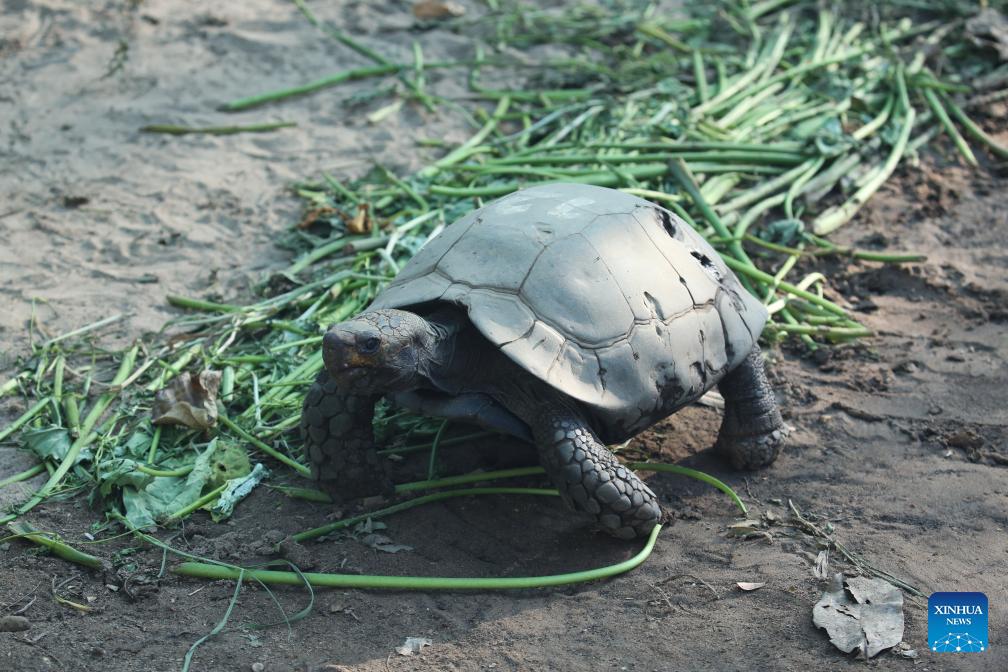
A tortoise is seen at Hlawga Park in Yangon, Myanmar, March 1, 2026. (Xinhua/Myo Kyaw Soe)
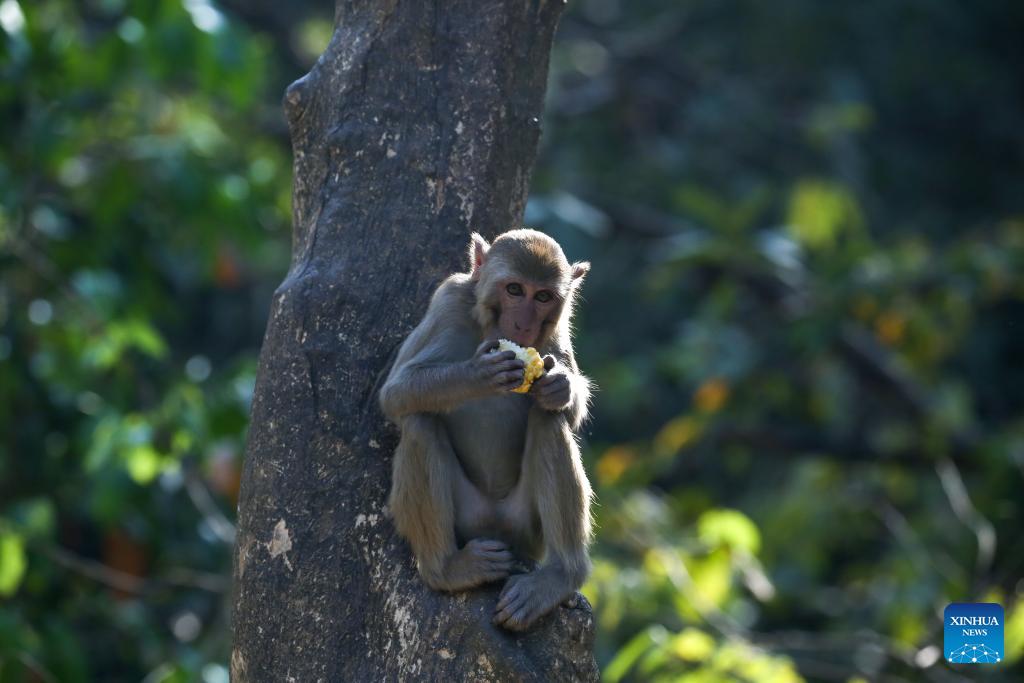
A monkey is seen at Hlawga Park in Yangon, Myanmar, March 1, 2026. (Xinhua/Myo Kyaw Soe)
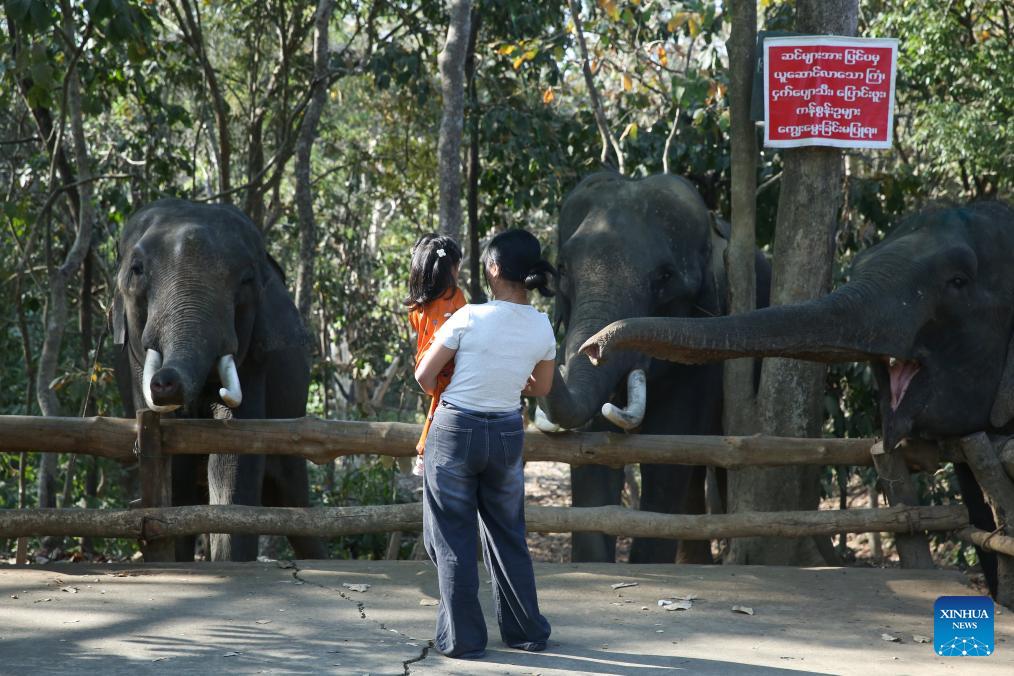
People visit Hlawga Park in Yangon, Myanmar, March 1, 2026. (Xinhua/Myo Kyaw Soe)
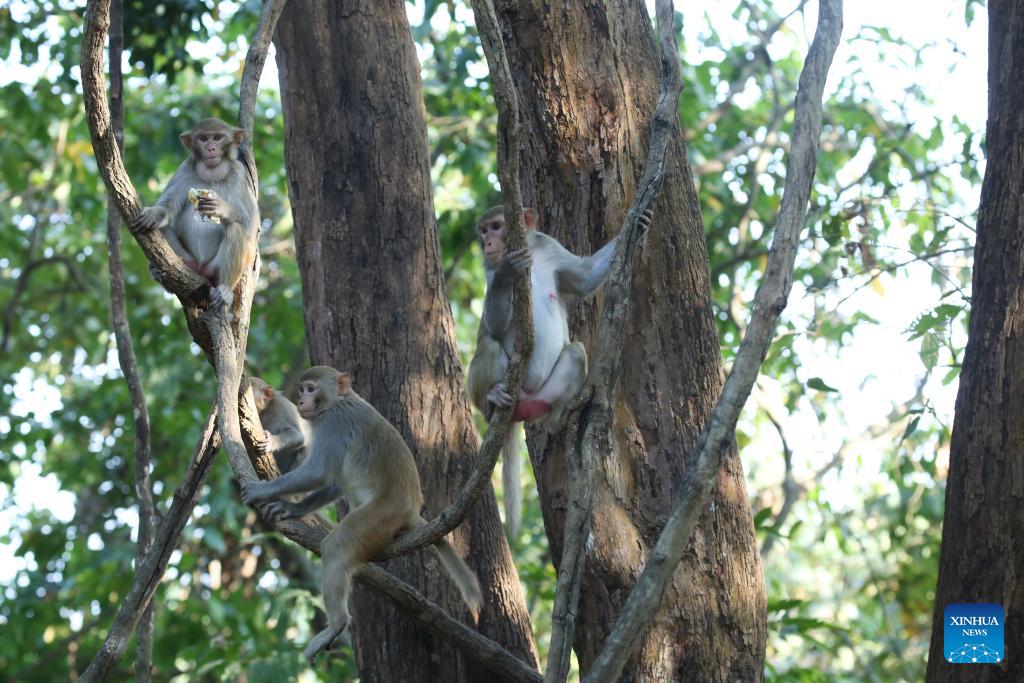
Monkeys are seen at Hlawga Park in Yangon, Myanmar, March 1, 2026. (Xinhua/Myo Kyaw Soe)
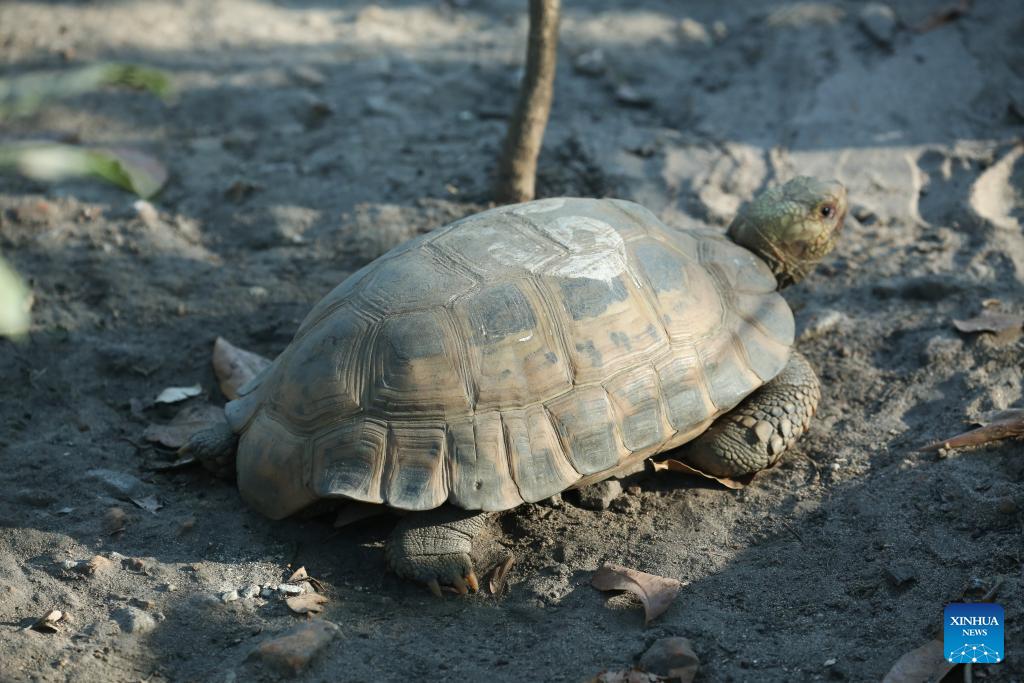
A tortoise is seen at Hlawga Park in Yangon, Myanmar, March 1, 2026. (Xinhua/Myo Kyaw Soe)
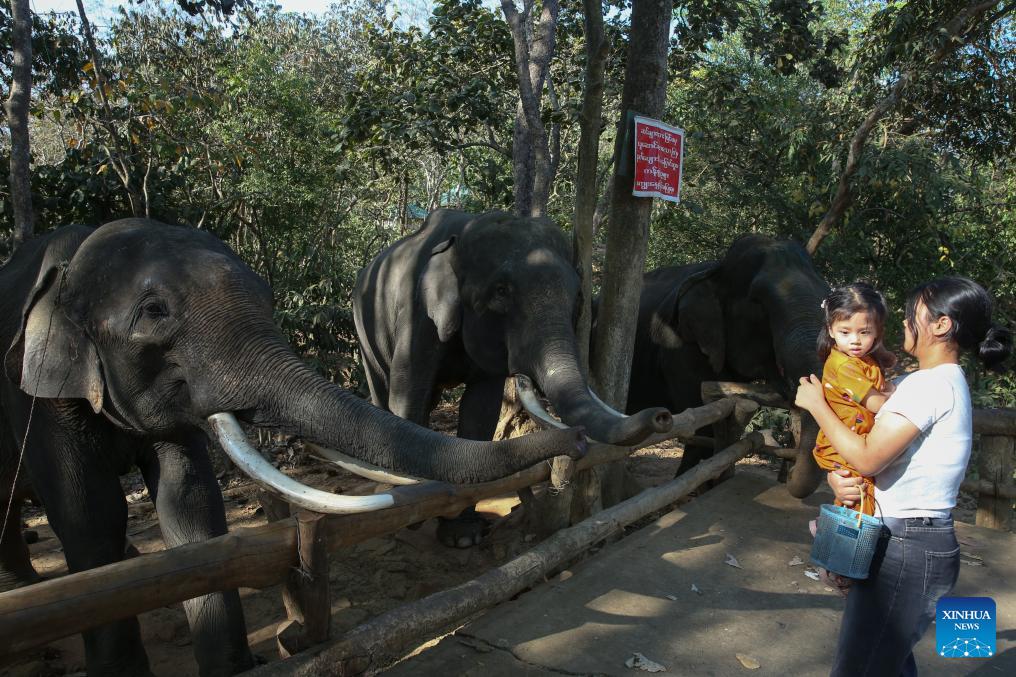
People visit Hlawga Park in Yangon, Myanmar, March 1, 2026. (Xinhua/Myo Kyaw Soe)
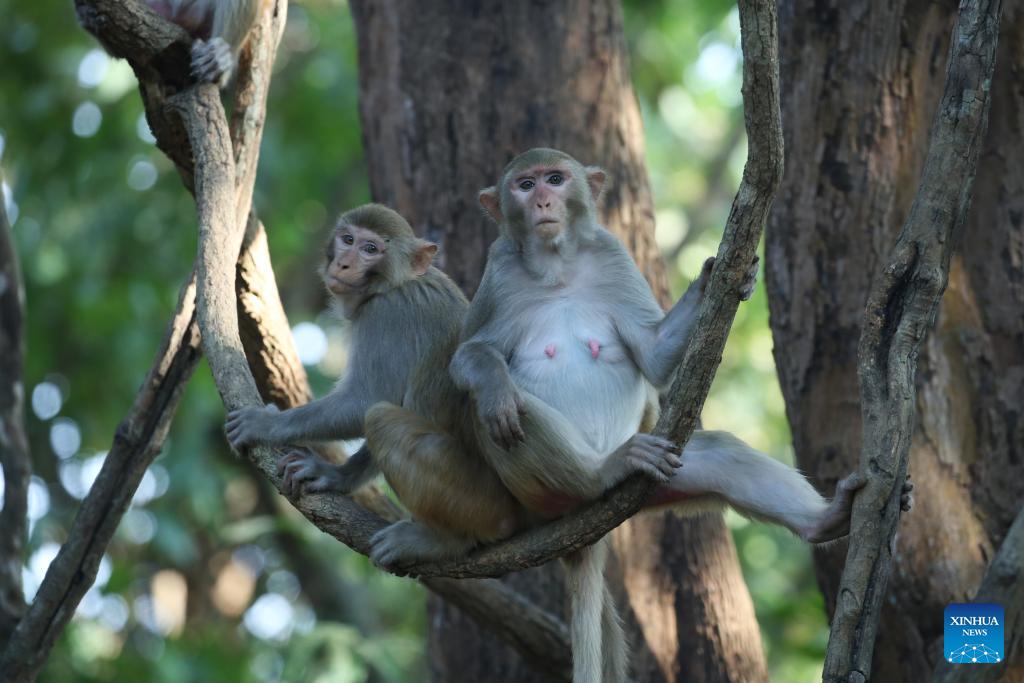
Monkeys are seen at Hlawga Park in Yangon, Myanmar, March 1, 2026. (Xinhua/Myo Kyaw Soe)
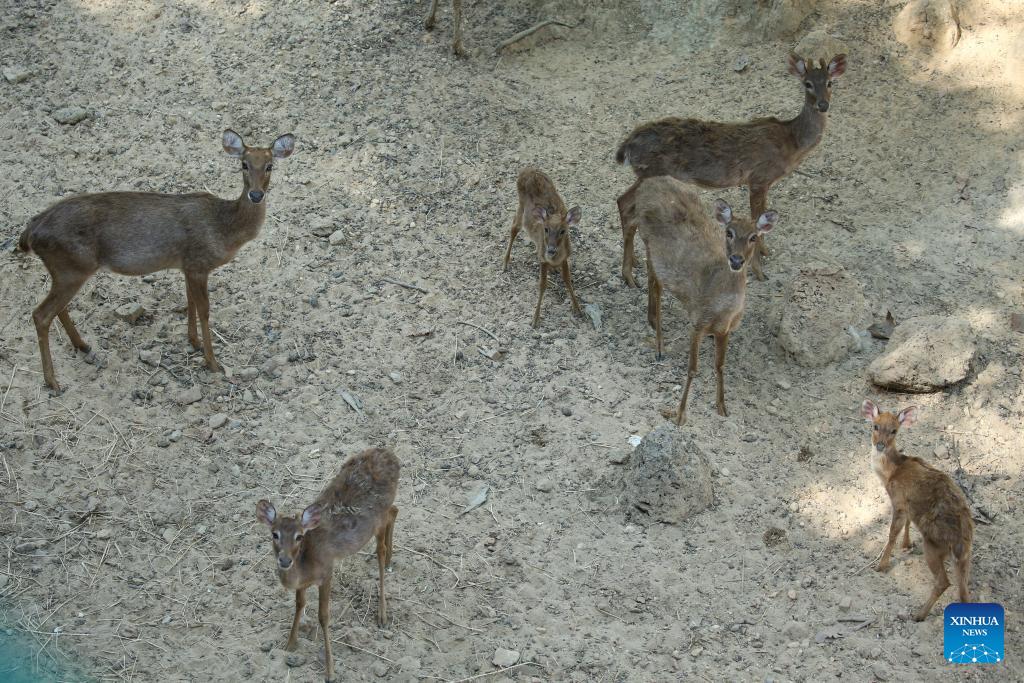
Deer are seen at Hlawga Park in Yangon, Myanmar, March 1, 2026. (Xinhua/Myo Kyaw Soe)
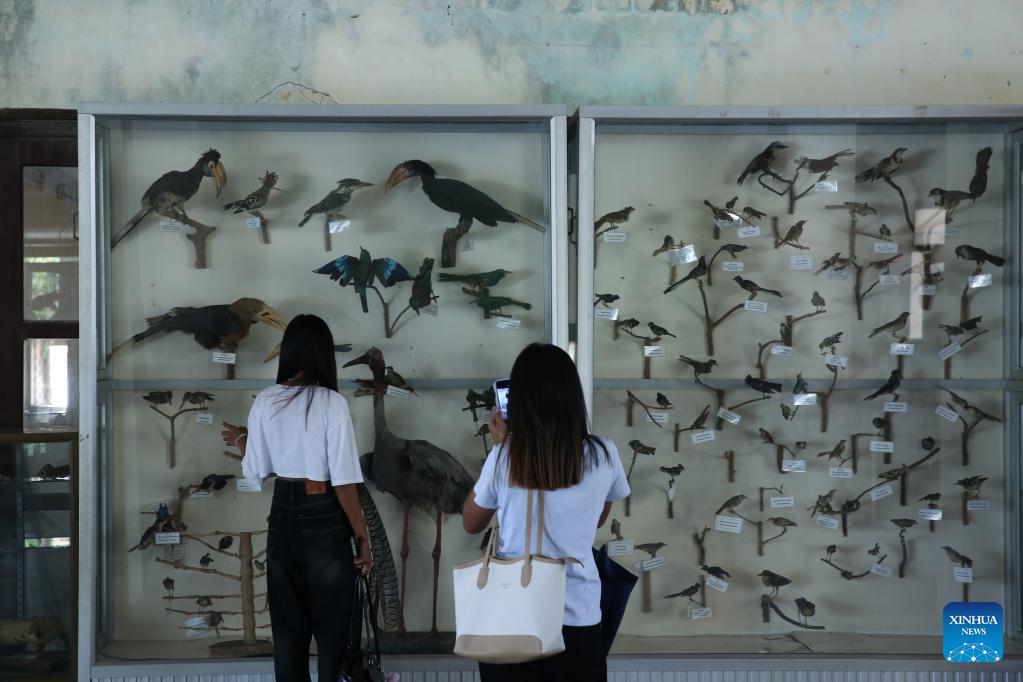
People visit Hlawga Park in Yangon, Myanmar, March 1, 2026. (Xinhua/Myo Kyaw Soe)