


CAIRO, March 9 (Xinhua) -- Leaders in the Middle East on Monday urged diplomatic efforts to curb the escalating tensions in the region as the United States and Israel continued their joint attacks on Iran, prompting retaliatory strikes.
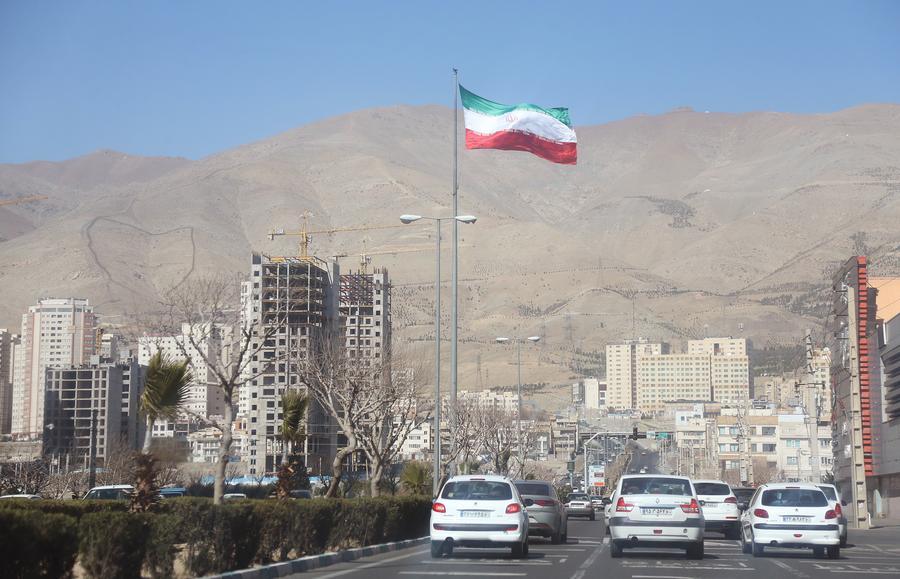
This photo taken on Feb. 20, 2026 shows a city view of Tehran, Iran. (File photo: Xinhua)
The leaders made the remarks via video conference in an emergency meeting called by the European Union regarding current regional developments, with the participation of leaders and officials from the Gulf Cooperation Council (GCC) countries, Jordan, Lebanon, Syria, Türkiye, Iraq, Armenia, and Azerbaijan.
During the conference, Egyptian President Abdel-Fattah al-Sisi stressed the importance of all parties exercising restraint, working to reduce escalation, prioritizing the language of dialogue, and pushing for a diplomatic path, according to a statement from the Egyptian Presidency.
Sisi emphasized that settling crises and conflicts through peaceful means is the correct choice for achieving the desired stability and security. He also affirmed the necessity of an immediate halt to "all attacks" on Arab countries.
Jordanian King Abdullah II underscored the importance of relying on diplomacy and dialogue to curb mounting tensions in the region, according to a Royal Court statement.
He warned of the danger of attempts to widen the conflict by "targeting" a number of secure and stable Arab countries.
Bahrain Crown Prince and Prime Minister Salman bin Hamad Al Khalifa said Bahrain, GCC countries, and Jordan have faced unprecedented missile and drone attacks from Iran, the Bahrain News Agency reported.
He also said the international community needs to act decisively to protect international maritime traffic and the flow of goods through the Straits of Hormuz.
Syria's interim leader Ahmad al-Sharaa said the escalating tensions in the Middle East pose an "existential threat" to the region, citing risks to global economic stability and growing security pressures on neighboring countries, according to state news agency SANA.
Al-Sharaa said Syria is directly affected by the regional turmoil due to its geographic position between several active fronts, stressing that Damascus continues to oppose what he described as violations of Arab sovereignty.
On Feb. 28, the United States and Israel launched joint attacks on Tehran and several other Iranian cities, killing Iranian Supreme Leader Ali Khamenei, several senior officials and military commanders, as well as hundreds of civilians.
Iran responded by launching waves of missile and drone strikes targeting Israeli and U.S. bases in the Middle East.