


US President Donald Trump on Thursday signed an executive order imposing 100% tariffs on imports of certain patented pharmaceuticals and their active ingredients, the White House said.
The measure, enacted under Section 232 of the Trade Expansion Act of 1962, follows a Department of Commerce investigation concluding that heavy reliance on foreign drug supplies threatens national security.
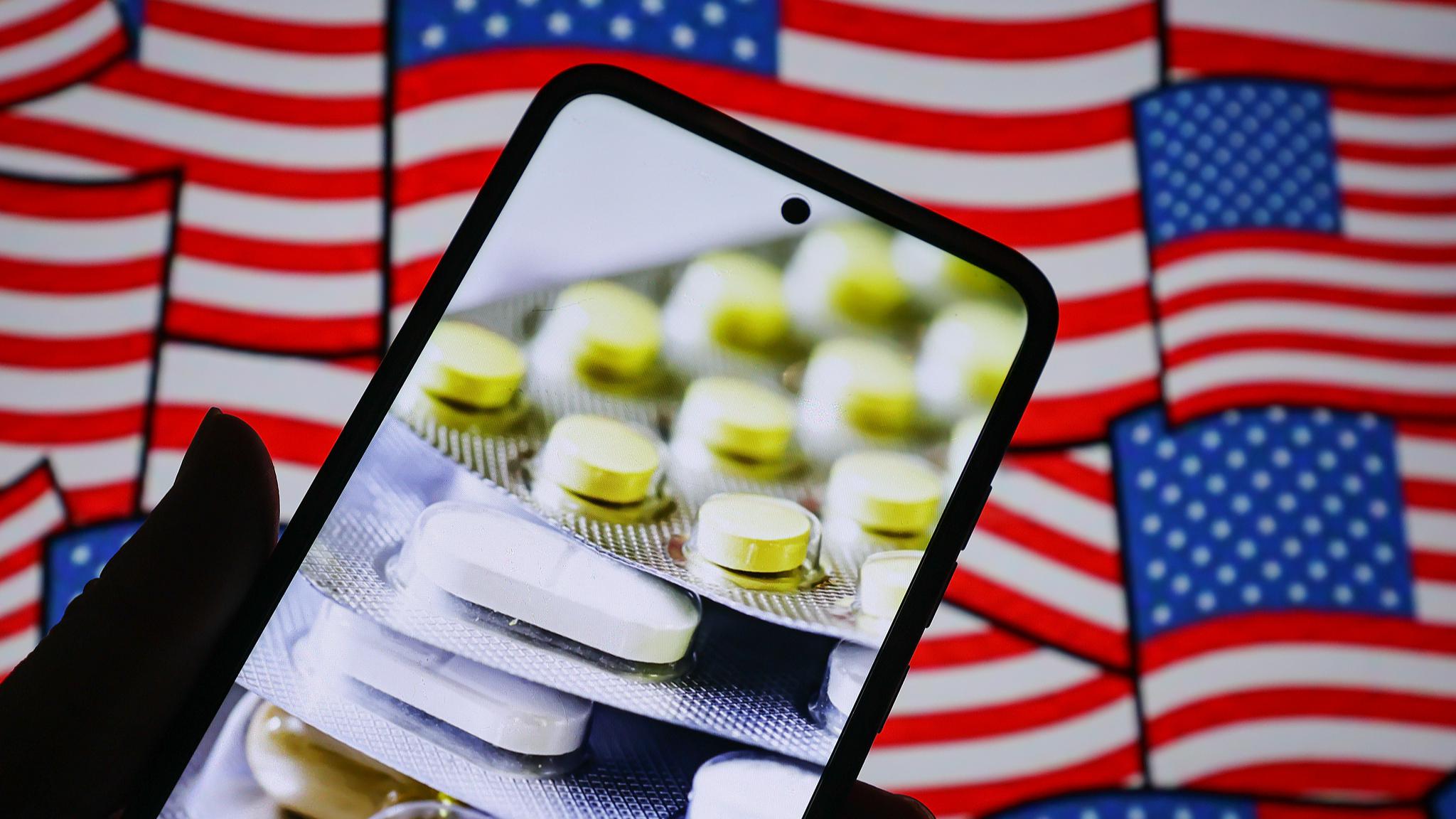
White House announced a 100% tariff on imported patented drugs under Section 232 of the Trade Expansion Act on Thursday. (Photo: CFP)
The new tariffs, which take effect on July 31, 2026, come exactly one year after the administration's "Liberation Day" announcement – a regime of sweeping reciprocal tariffs ranging from 10% to 50% across various sectors.
After a February Supreme Court ruling struck down previous tariffs under the International Emergency Economic Powers Act (IEEPA), the administration shifted to Section 232 – which allows the president to levy duties on national security grounds – to ensure legal resiliance.
The 'onshoring' deadline and price pressure
The executive order establishes a high-stakes carrot-and-stick framework to dismantle offshoring. Companies with approved plans to onshore manufacturing to the US will see their tariff rate drop to 20%. According to The Washington Post, firms can bypass higher duties by lowering drug prices or establishing domestic factories, indicating that the policy purposefully links price pressure with manufacturing incentives.
This relief is temporary. The 20% rate jumps back to 100% on April 2, 2030, creating a strict four-year "onshoring window" for global supply chains. To maintain stability, the administration is leveraging trade alliances, capping tariffs at 15% for the EU, Japan, South Korea and Switzerland, while granting Britain a lower 10% rate on its pharmaceuticals.
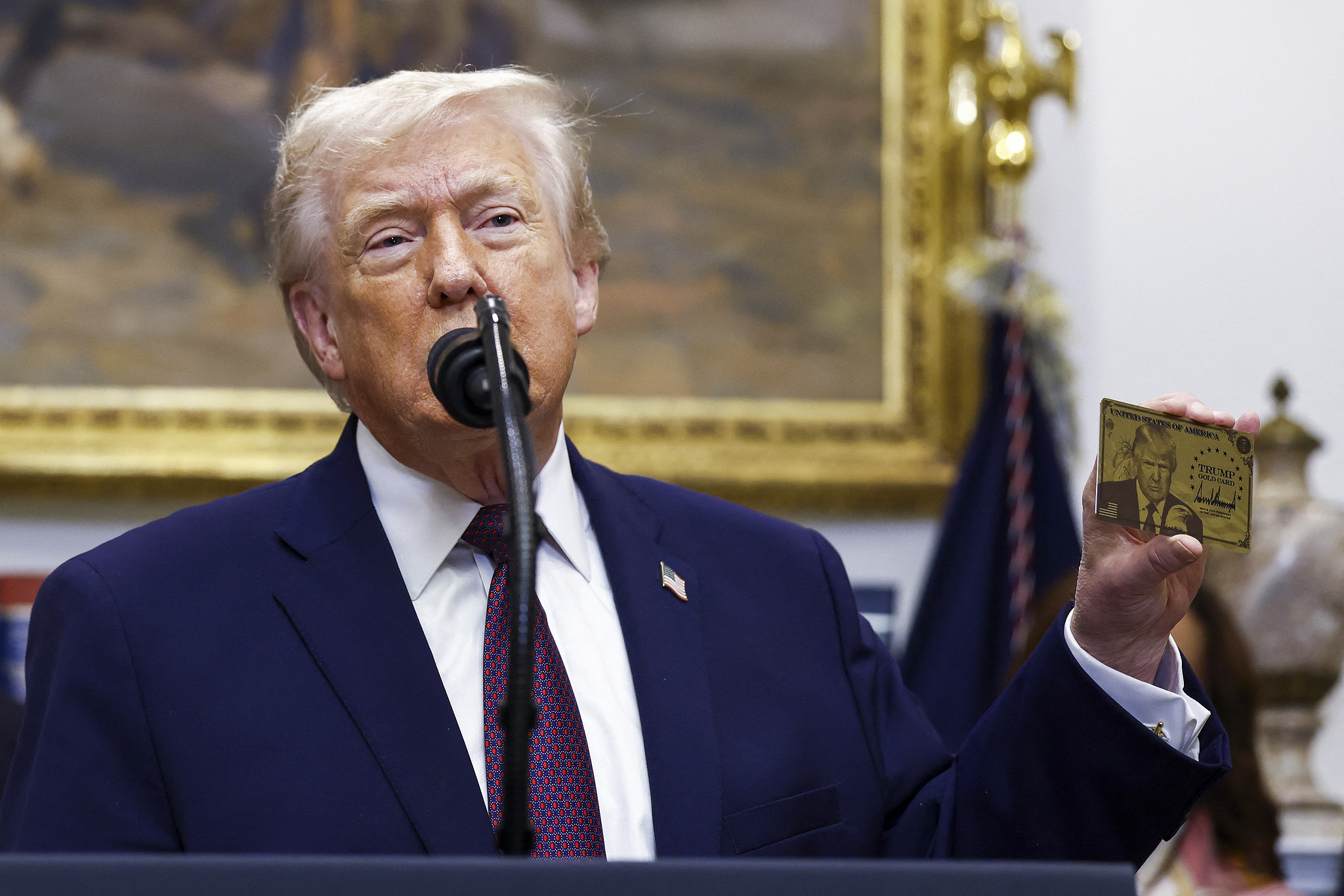
President Donald Trump at a drug-pricing announcement at in the Roosevelt Room of the White House in Washington, D.C., US, December 19, 2025. (Photo: CFP)
To protect the most price-sensitive patients, the order exempts generic drugs, biosimilars and certain specialty treatments – such as plasma-derived therapies and nuclear medicines – from heavy duties.
Despite these pathways, the outlook for smaller players remains precarious. While industry giants can afford to reshore, analysts warn that capital-strained SMEs face heightened acquisition risks. Under this tariff regime, smaller firms may become prime targets for consolidation by larger corporations better equipped to navigate the new US manufacturing landscape.
Rising costs for patients and public programs
Policy experts are already sounding the alarm over affordability. Mariana Socal, an associate professor at Johns Hopkins University, noted that patented drugs – already three to four times more expensive in the US than in other developed nations – account for nearly 90% of US drug spending. Socal warned that tariffs could push these costs even higher, potentially further alienating the quarter of Americans who already struggle to afford medication.
Even if companies relocate production to the US, these relocation expenses could be passed along to insurers and, ultimately, patients. Jeromie M. Ballreich, an associate research professor at Johns Hopkins. This could lead to higher Medicare Part D premiums, eventually placing greater financial pressure on patients regardless of how the industry responds.
The White House in Washington, D.C., US. (Photo: CFP)
Global shifts and industry defiance
The policy uncertainty is already altering global commercialization strategies. According to a GlobalData analysis, drug launches in EU markets declined by approximately 35% in the ten months following Trump's Most Favored Nation (MFN) drug pricing policy introduced in May 2025, as firms restructure their global portfolios to mitigate exposure to US pricing reforms.
Marta E. Wosinska, a health care economist at The Brookings Institution, a nonprofit public policy organization based in Washington, D.C., noted in her research that while tariffs provide a "strong incentive" for onshoring brand-name drugs, they pose risks to the more fragile generic market.
She cautioned that tariff pressure on manufacturers with already low margins could lead to product discontinuations or cost-cutting that erodes quality. "Any production disruptions in the already fragile generic injectable markets are likely to result in shortages," she said, suggesting that the administration may need tools beyond tariffs to successfully onshore generic production.
The business community remains wary. Neil Bradley, Executive Vice President and Chief Policy Officer of the US Chamber of Commerce, stated: "A new, complex tariff scheme on pharmaceuticals will raise healthcare costs for American families. Tariffs have increased prices, disrupted supply chains, and added uncertainty for the very families and businesses they are meant to help."
The administration maintains that the move is necessary. US Trade Representative Jamieson Greer defended the program as a vital move for domestic resilience. Major players including Pfizer and Eli Lilly have reportedly entered into pricing and onshoring agreements with the White House to secure exemptions from the maximum duty rate.