


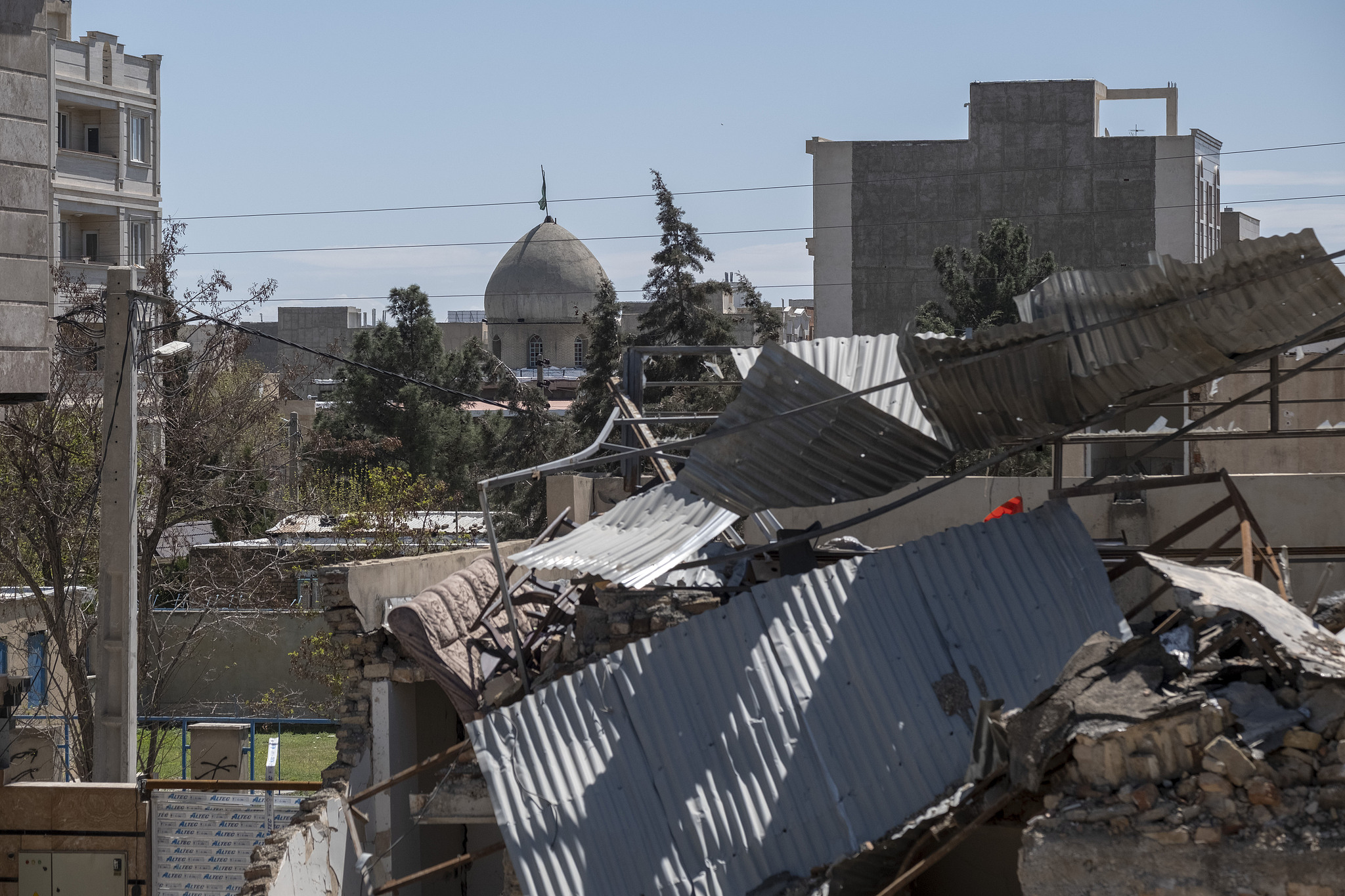
A view of a mosque near a residential area affected on March 9 during the United States-Israeli military operations in the city of Karaj in Alborz province, several kilometers west of Tehran, Iran. /VCG
The US-led war on Iran has reached the end stretch of its fifth week. Following US President Trump's announcement that the United States would persist in attacking Iran's energy and oil infrastructure in the weeks ahead, without specifying a specific timeline for concluding the conflict, global energy markets have once again witnessed extreme fluctuations. On April 3, 2026, WTI crude oil futures briefly soared above $112 per barrel, hitting their highest level in nearly four years and surpassing the price from a year earlier by over $30. The intensifying war and the closure of the Strait of Hormuz have not only disrupted the normal flow of vital oil and natural gas supplies but also sparked widespread pricing adjustments across the energy, metals, and agricultural sectors.
Global financial markets have experienced significant fluctuations under the guidance of geopolitical conflicts. The S&P 500 index and the Stoxx 600 index in Europe both fell by a record 8-10%. Most industries in the stock markets of various countries have been negatively affected, including industries, materials, consumer necessities, aviation, and interest-sensitive sectors such as real estate and finance. If the Middle East falls into a long-term turmoil, high energy prices will squeeze manufacturing profits through imported inflation, which will inevitably affect the long-term prospects of the global stock market. Higher input costs will affect the global supply chain, affect semiconductor manufacturing and other industries, and may slow down investment in AI and related industries, which have been the engines of global growth in recent years.
High oil prices will not only bring supply shocks, but also gradually evolve into dual pressures to curb demand and push up inflation. The Strait of Hormuz not only carries about one-fifth of the world's oil and liquefied natural gas trade, but is also a key channel for about one-third of the world's fertilizer production. The protracted conflict will inevitably lead to a sharp rise in energy and commodity prices and a rapid tightening of the financial environment, raising the risk of recession.
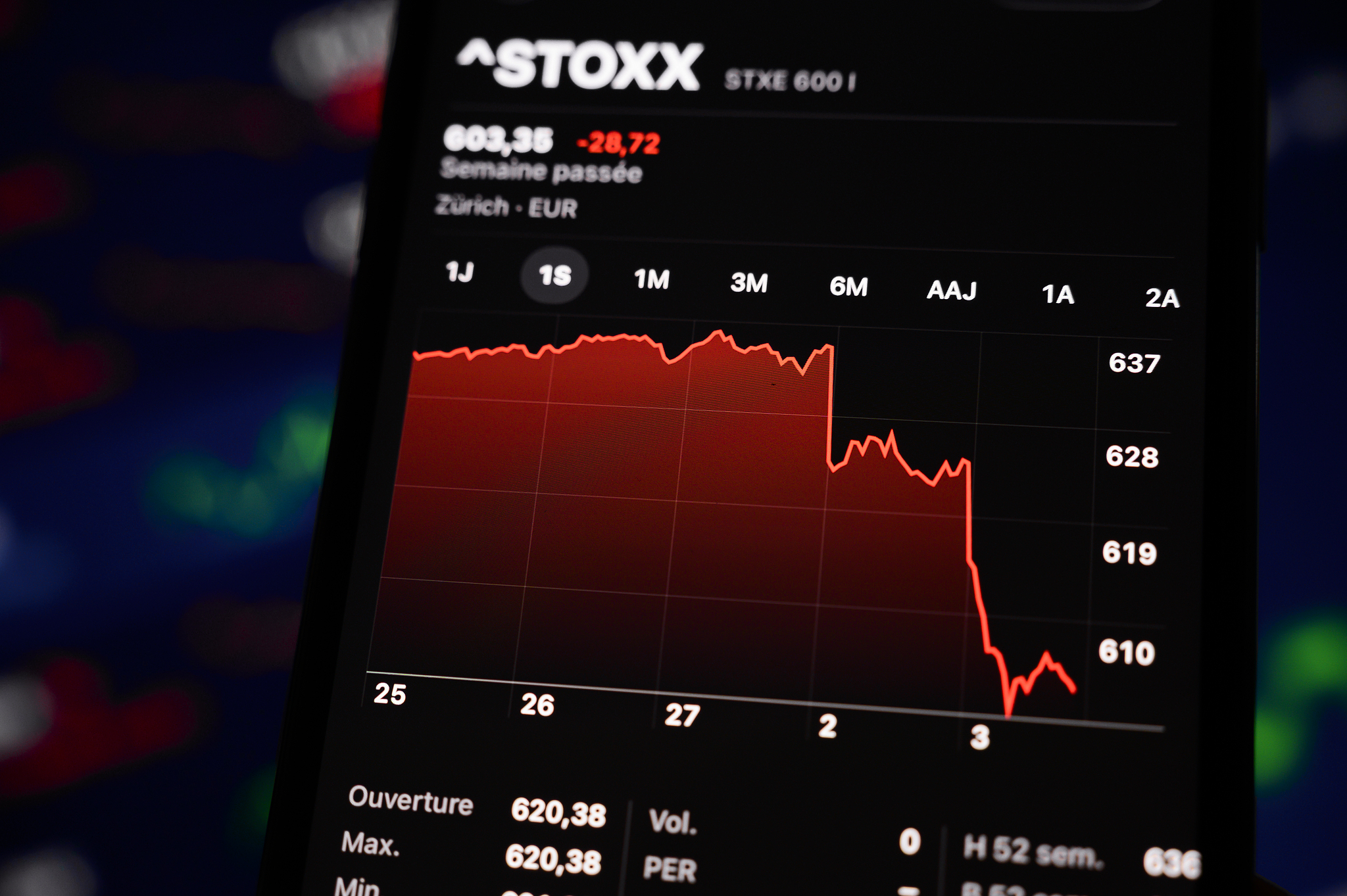
Global financial markets experience high volatility following the military escalation between the United States, Israel, and Iran, March 3, 2026, the STOXX Europe 600 index. /VCG
The latest food commodity price index released by the UN Food and Agriculture Organization rose by 2.4% in March, the second consecutive month of increase. If the war continues, global prices may rise by an average of 15% to 20% in the first half of this year. Affected by the soaring energy prices, the inflation rate in the euro zone reached 2.5% in March, and major economies such as Germany and France have successively released inflation reports. A food and beverage federation representing 12,000 food and beverage manufacturers in the UK also predicted that food prices in the UK would rise by at least 9% by the end of 2026, almost three times the 3.2% predicted before the Middle East conflict. The OECD March Economic Outlook Report also predicts that the evolving conflict in the Middle East will drag down economic growth and trigger major uncertainties in global demand.
And this sudden turmoil has also hurt the United States. Wall Street is mired in widespread uncertainty. The Dow Jones industrial average, the Nasdaq composite index and the S&P 500 index all fell to their lowest levels in several months, down about 8% or more from their recent peak. Soaring natural gas prices and turmoil in the financial market have also exacerbated Americans' consumption costs, including general transportation, groceries, household goods, water and electricity.
Trump has repeatedly proposed to reduce the price of gasoline in the US to $1.87/gallon, equivalent to about $20 a barrel for crude, however, this has never happened since May 2020. The average price of gasoline at major gas stations across the US approached the defense line of $4 per gallon, soaring by about $1 in just one month. Although the latest data from the US Department of Commerce showed that US consumer confidence rose slightly from 91.0 in February to 91.8 in March, the University of Michigan's consumer confidence index showed the opposite result: It fell sharply to 53.3 in March 2026, lower than the preliminary estimate of 55.5 and 56.6 in February. Among them, the confidence of middle and high-income families and families with stock wealth declined most significantly. The impact of rising costs caused by tariff shifting and soaring oil prices is already obvious. The OECD has raised the US inflation rate expectation for the year 2026 to 4.2% from 2.6%.
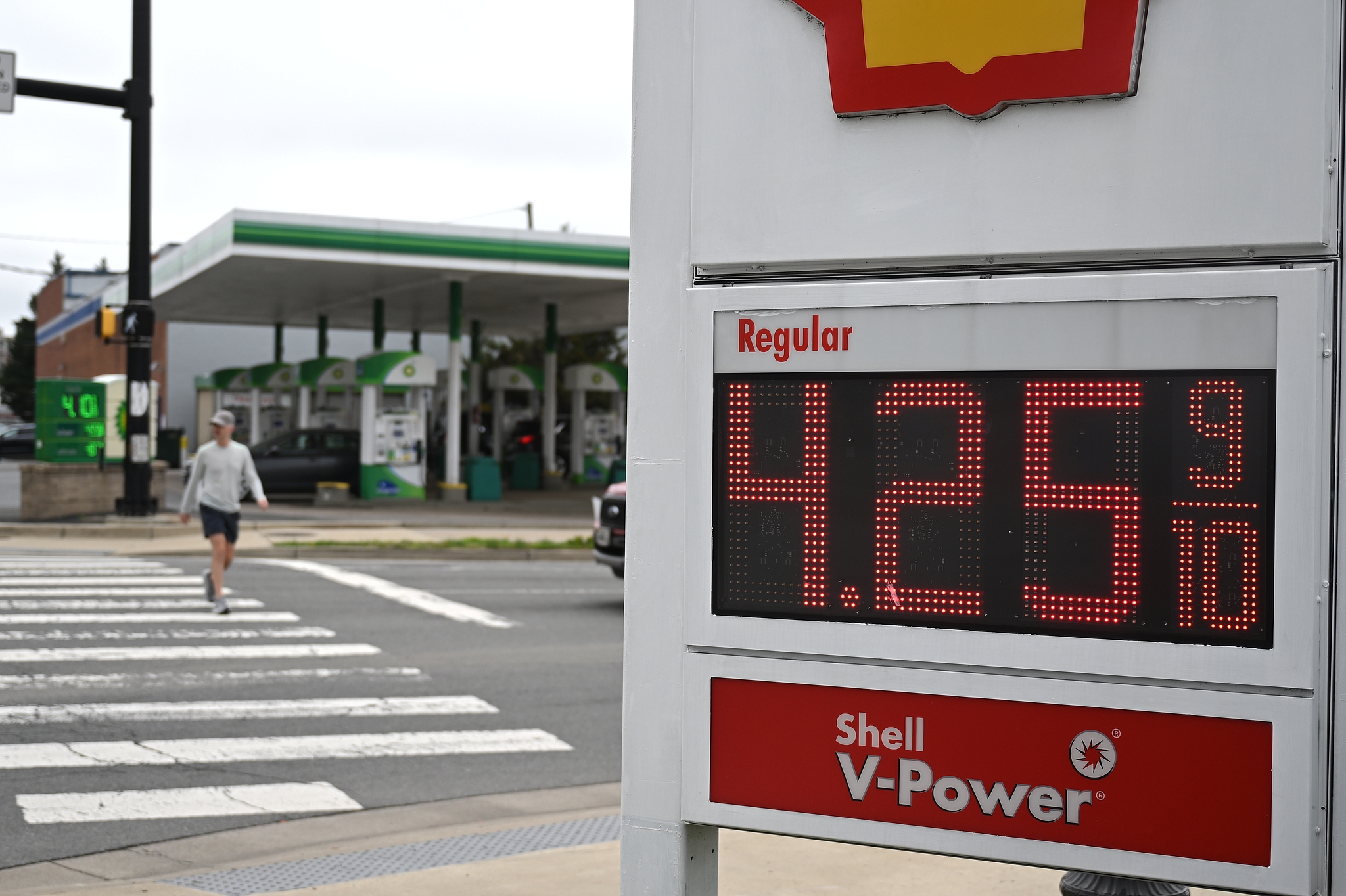
Rising gas prices across the US put growing pressure on households, as the US-Israel strikes on Iran disrupts global oil supplies and drives fuel costs higher in Virginia, US, April 3, 2026. /VCG
Although US president tried to beautify his military action on Iran, CNN's latest opinion poll conducted by SSRS showed that his support rate for handling economic issues has dropped to a new low of 31% in his career. People's negative emotions have reached a new level: 65% believe that Trump's policies have worsened the economy, the highest proportion during his presidency. About three-quarters of Americans believe that the US economy is in poor condition, an increase of 8 percentage points since January, while the proportion calls it "very bad," an increase of 12 percentage points. About 60% of the people said that they expected the economic situation to be very bad one year later, which was the highest proportion during Trump's tenure.
It can be predicted that even if the war in the Middle East stops suddenly, it will still take a long period for the global energy production and transportation chain to return to normal. Behind the impact is a broader impact: Global enterprises may shift from the supply chain organization mode of "efficiency first" to the new paradigm of "security first", and accelerate the structural transformation of governments and industries in energy policies, trade and security policies.