


In pics: Chilpik monument near Nukus, Uzbekistan
Xinhua
1776086728000
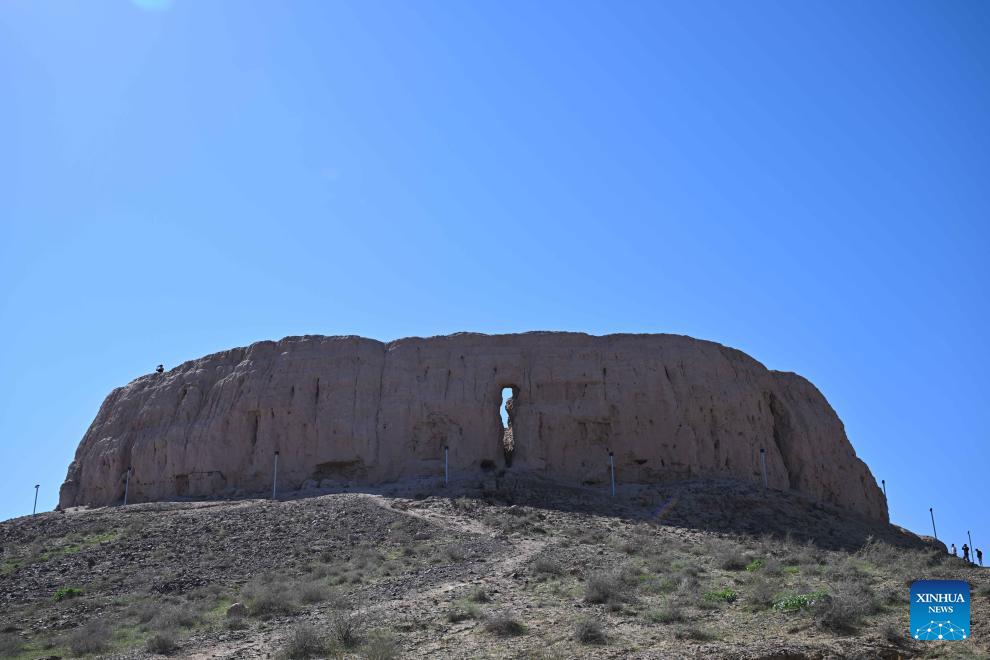
This photo taken on April 11, 2026 shows the Chilpik monument near Nukus, Uzbekistan. Located more than 40 kilometers south of Nukus, the capital of the Republic of Karakalpakstan in Uzbekistan, the Chilpik monument was an ancient Zoroastrian archaeological site and later served as a signal tower. Nowadays, It becomes one of the region's key cultural symbols and attracts crowds of visitors from home and abroad. (Xinhua/Li Renzi)
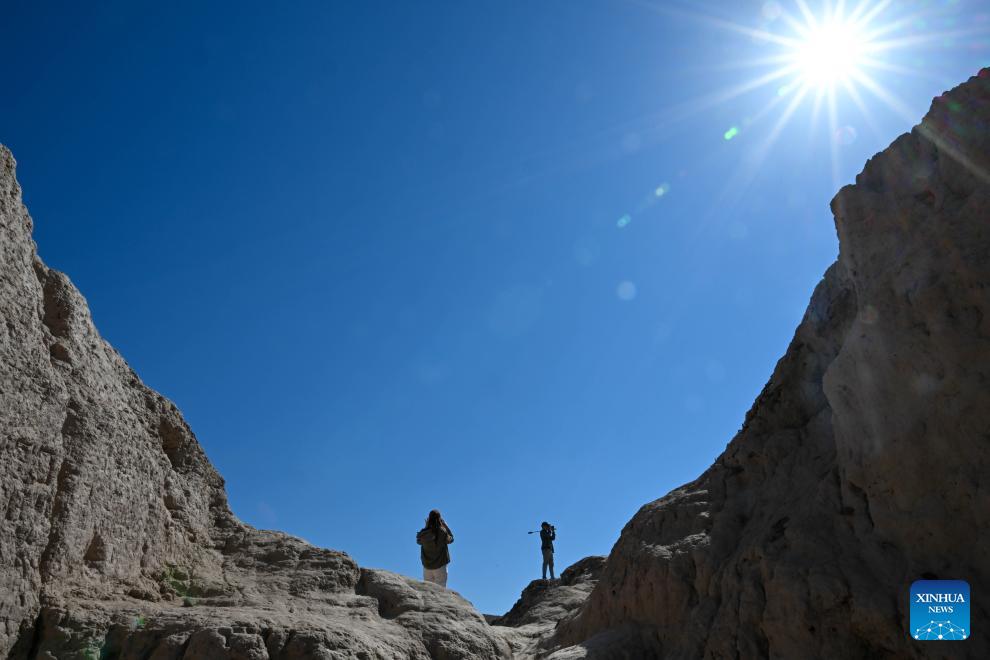
People visit the Chilpik monument near Nukus, Uzbekistan, on April 11, 2026. Located more than 40 kilometers south of Nukus, the capital of the Republic of Karakalpakstan in Uzbekistan, the Chilpik monument was an ancient Zoroastrian archaeological site and later served as a signal tower. Nowadays, It becomes one of the region's key cultural symbols and attracts crowds of visitors from home and abroad. (Xinhua/Li Renzi)
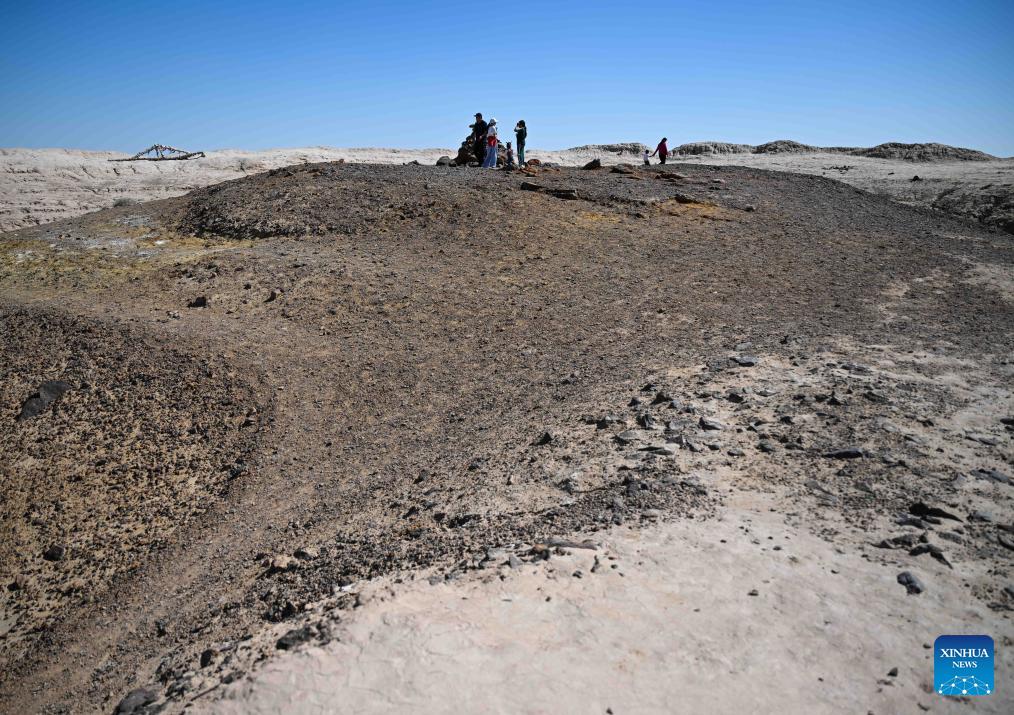
People visit the Chilpik monument near Nukus, Uzbekistan, on April 11, 2026. Located more than 40 kilometers south of Nukus, the capital of the Republic of Karakalpakstan in Uzbekistan, the Chilpik monument was an ancient Zoroastrian archaeological site and later served as a signal tower. Nowadays, It becomes one of the region's key cultural symbols and attracts crowds of visitors from home and abroad. (Xinhua/Li Renzi)
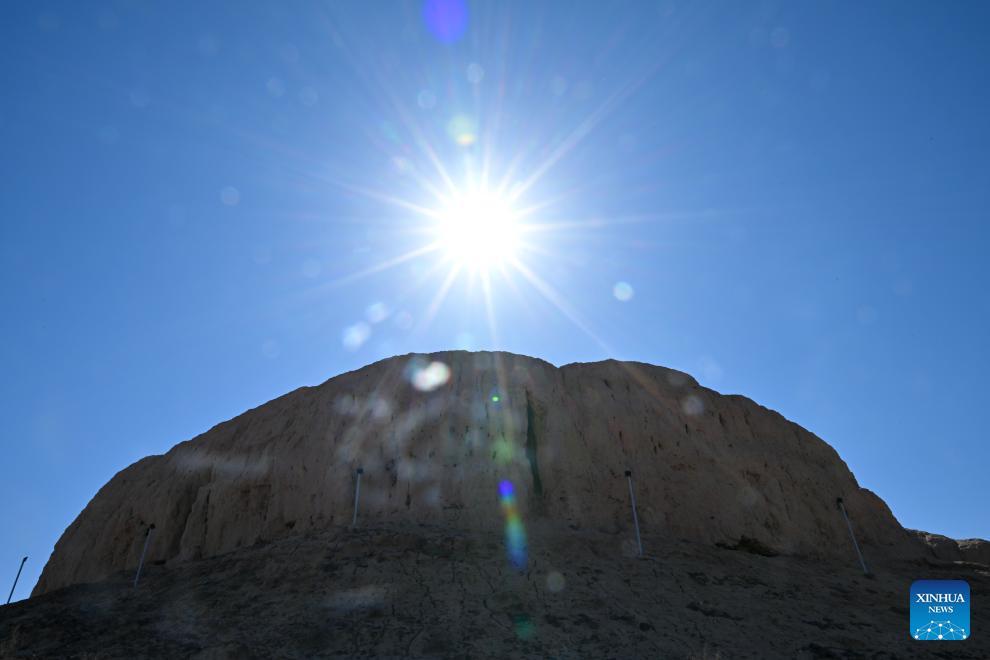
This photo taken on April 11, 2026 shows the Chilpik monument near Nukus, Uzbekistan. Located more than 40 kilometers south of Nukus, the capital of the Republic of Karakalpakstan in Uzbekistan, the Chilpik monument was an ancient Zoroastrian archaeological site and later served as a signal tower. Nowadays, It becomes one of the region's key cultural symbols and attracts crowds of visitors from home and abroad. (Xinhua/Li Renzi)
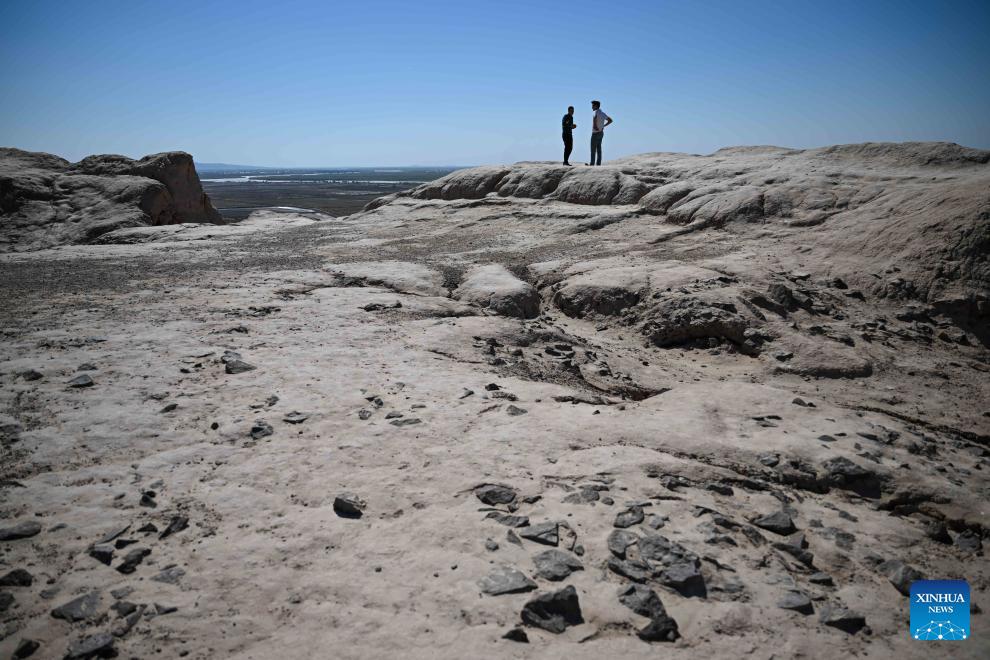
People visit the Chilpik monument near Nukus, Uzbekistan, on April 11, 2026. Located more than 40 kilometers south of Nukus, the capital of the Republic of Karakalpakstan in Uzbekistan, the Chilpik monument was an ancient Zoroastrian archaeological site and later served as a signal tower. Nowadays, It becomes one of the region's key cultural symbols and attracts crowds of visitors from home and abroad. (Xinhua/Li Renzi)
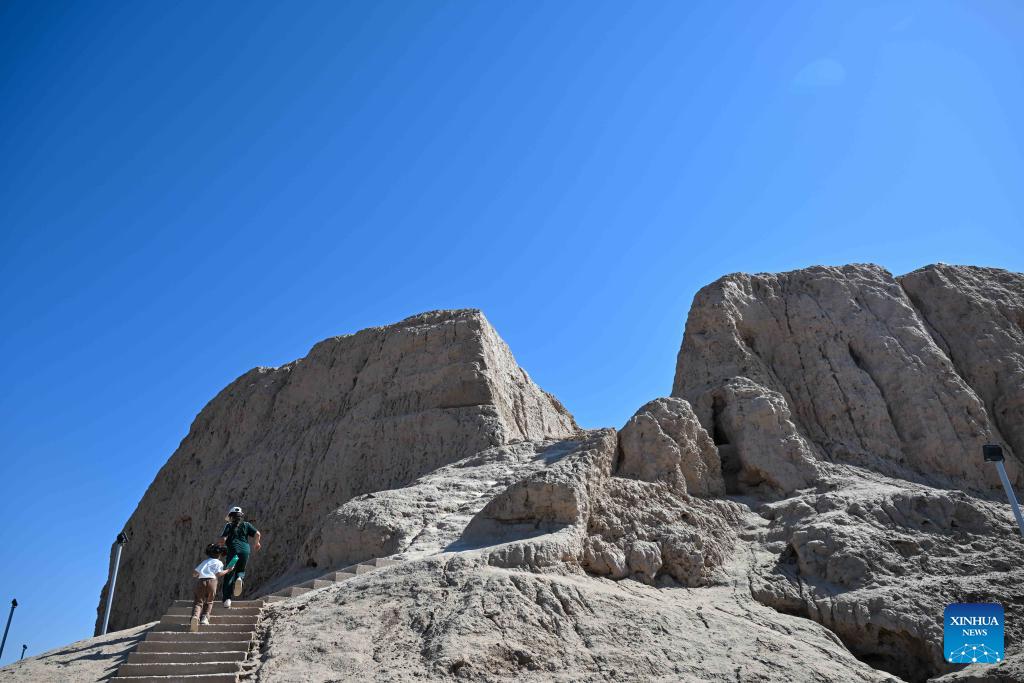
People visit the Chilpik monument near Nukus, Uzbekistan, on April 11, 2026. Located more than 40 kilometers south of Nukus, the capital of the Republic of Karakalpakstan in Uzbekistan, the Chilpik monument was an ancient Zoroastrian archaeological site and later served as a signal tower. Nowadays, It becomes one of the region's key cultural symbols and attracts crowds of visitors from home and abroad. (Xinhua/Li Renzi)
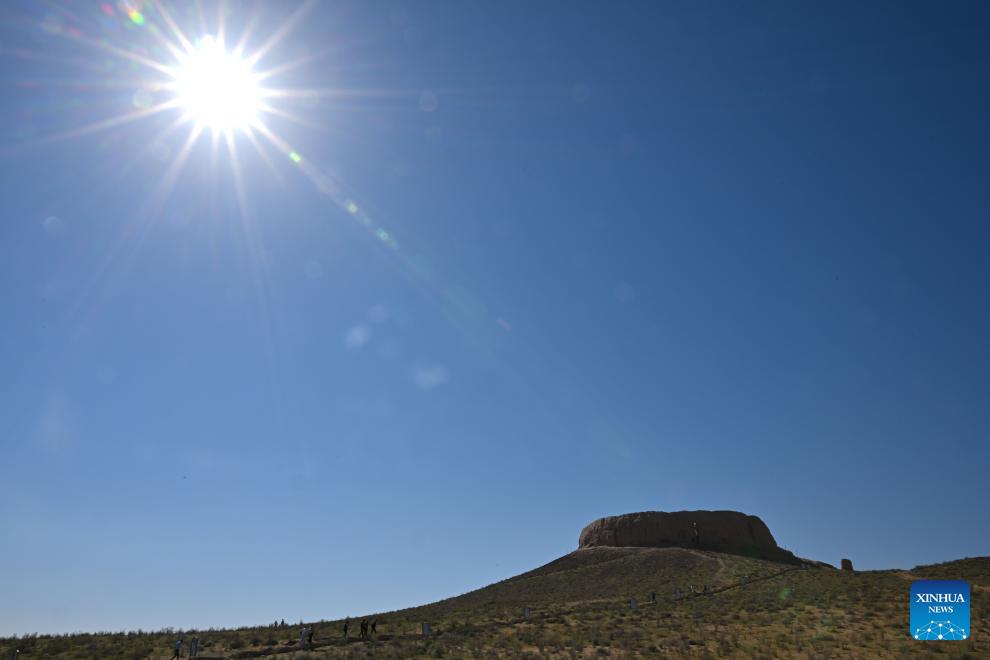
This photo taken on April 11, 2026 shows the Chilpik monument near Nukus, Uzbekistan. Located more than 40 kilometers south of Nukus, the capital of the Republic of Karakalpakstan in Uzbekistan, the Chilpik monument was an ancient Zoroastrian archaeological site and later served as a signal tower. Nowadays, It becomes one of the region's key cultural symbols and attracts crowds of visitors from home and abroad. (Xinhua/Li Renzi)
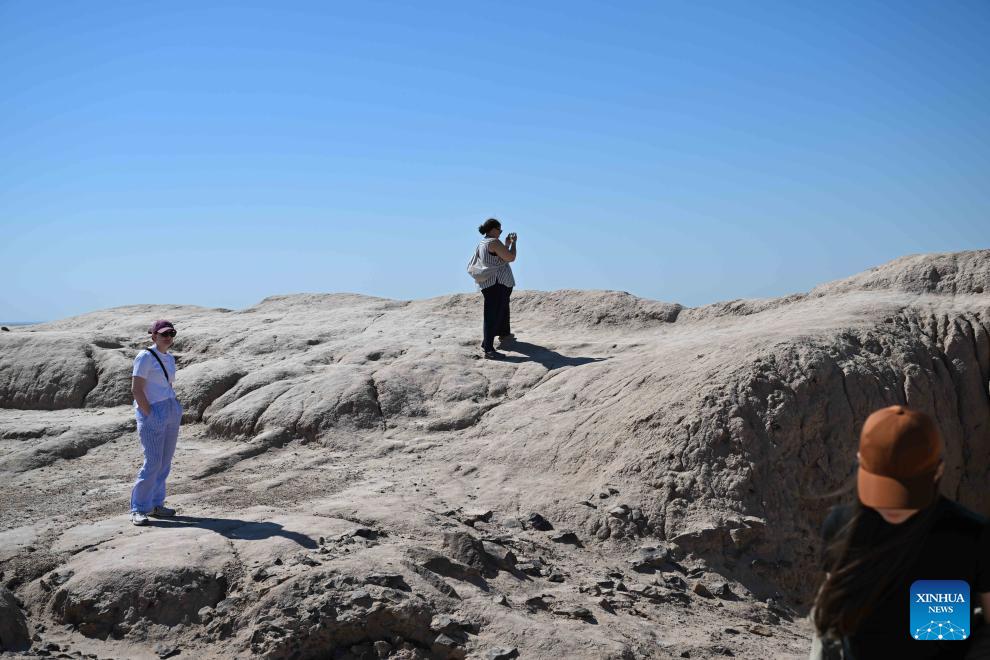
People visit the Chilpik monument near Nukus, Uzbekistan, on April 11, 2026. Located more than 40 kilometers south of Nukus, the capital of the Republic of Karakalpakstan in Uzbekistan, the Chilpik monument was an ancient Zoroastrian archaeological site and later served as a signal tower. Nowadays, It becomes one of the region's key cultural symbols and attracts crowds of visitors from home and abroad. (Xinhua/Li Renzi)
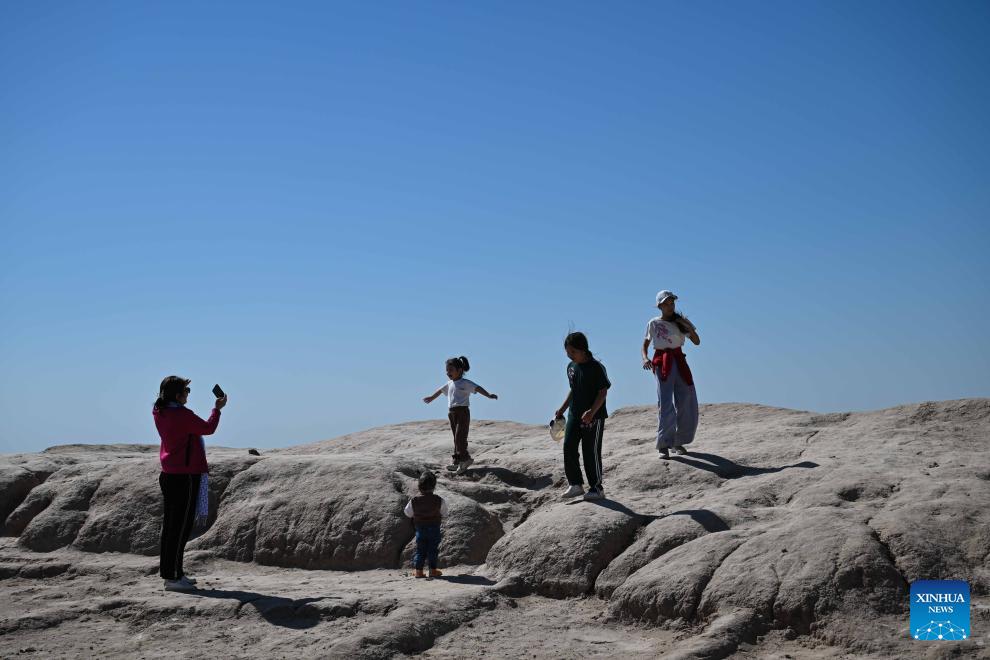
People visit the Chilpik monument near Nukus, Uzbekistan, on April 11, 2026. Located more than 40 kilometers south of Nukus, the capital of the Republic of Karakalpakstan in Uzbekistan, the Chilpik monument was an ancient Zoroastrian archaeological site and later served as a signal tower. Nowadays, It becomes one of the region's key cultural symbols and attracts crowds of visitors from home and abroad. (Xinhua/Li Renzi)
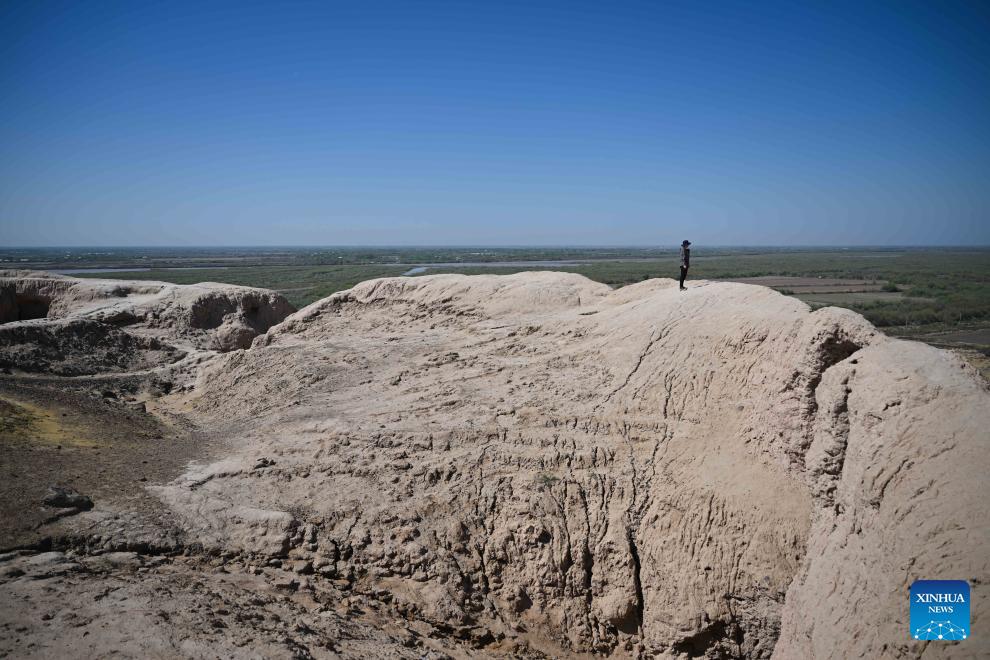
A man visits the Chilpik monument near Nukus, Uzbekistan, on April 11, 2026. Located more than 40 kilometers south of Nukus, the capital of the Republic of Karakalpakstan in Uzbekistan, the Chilpik monument was an ancient Zoroastrian archaeological site and later served as a signal tower. Nowadays, It becomes one of the region's key cultural symbols and attracts crowds of visitors from home and abroad. (Xinhua/Li Renzi)
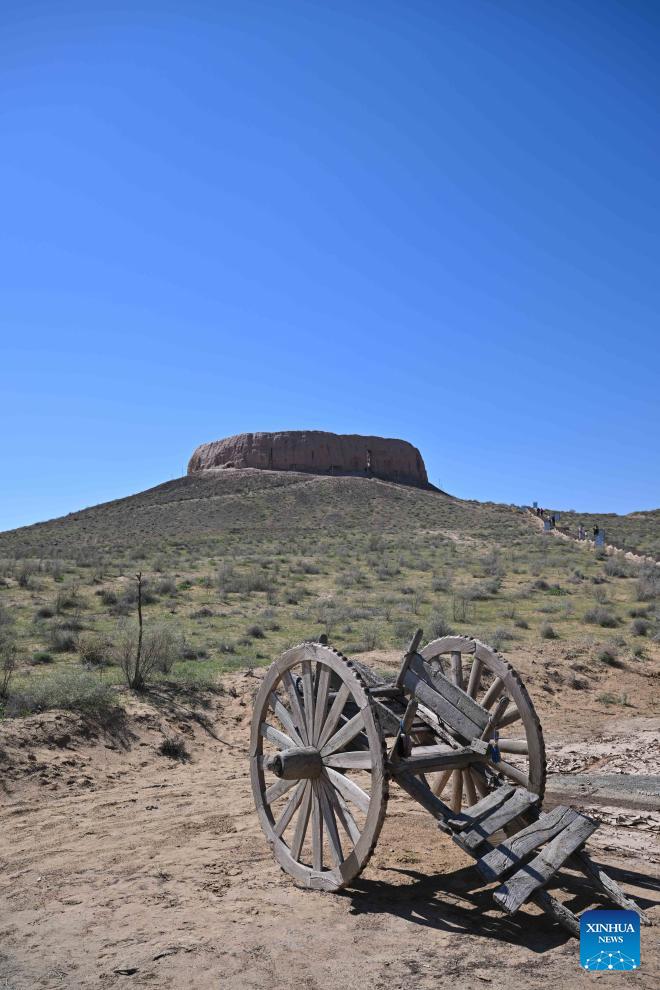
This photo taken on April 11, 2026 shows the Chilpik monument near Nukus, Uzbekistan. Located more than 40 kilometers south of Nukus, the capital of the Republic of Karakalpakstan in Uzbekistan, the Chilpik monument was an ancient Zoroastrian archaeological site and later served as a signal tower. Nowadays, It becomes one of the region's key cultural symbols and attracts crowds of visitors from home and abroad. (Xinhua/Li Renzi)
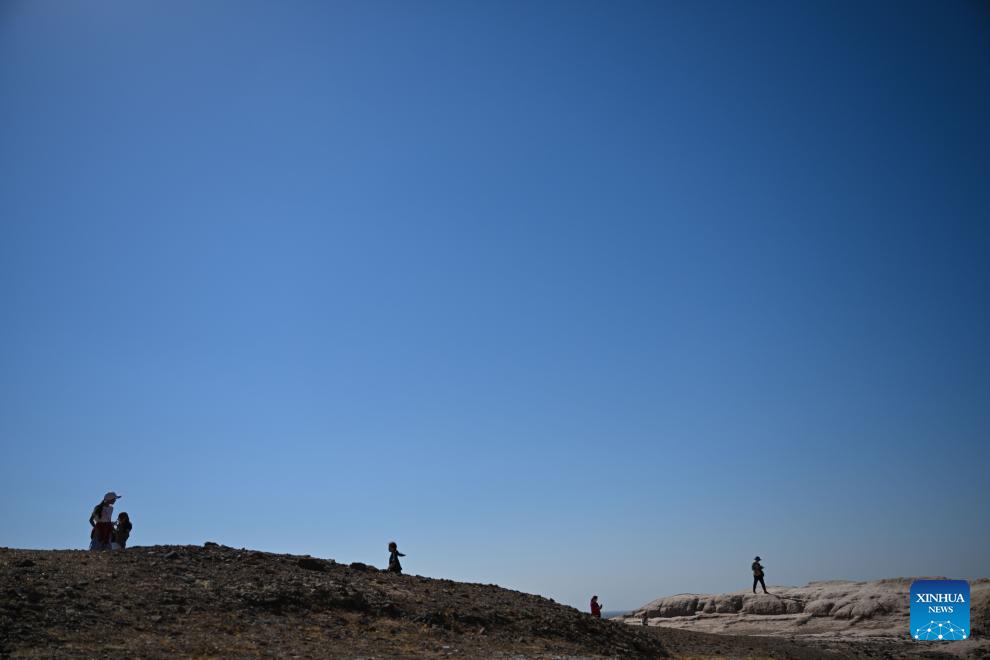
People visit the Chilpik monument near Nukus, Uzbekistan, on April 11, 2026. Located more than 40 kilometers south of Nukus, the capital of the Republic of Karakalpakstan in Uzbekistan, the Chilpik monument was an ancient Zoroastrian archaeological site and later served as a signal tower. Nowadays, It becomes one of the region's key cultural symbols and attracts crowds of visitors from home and abroad. (Xinhua/Li Renzi)
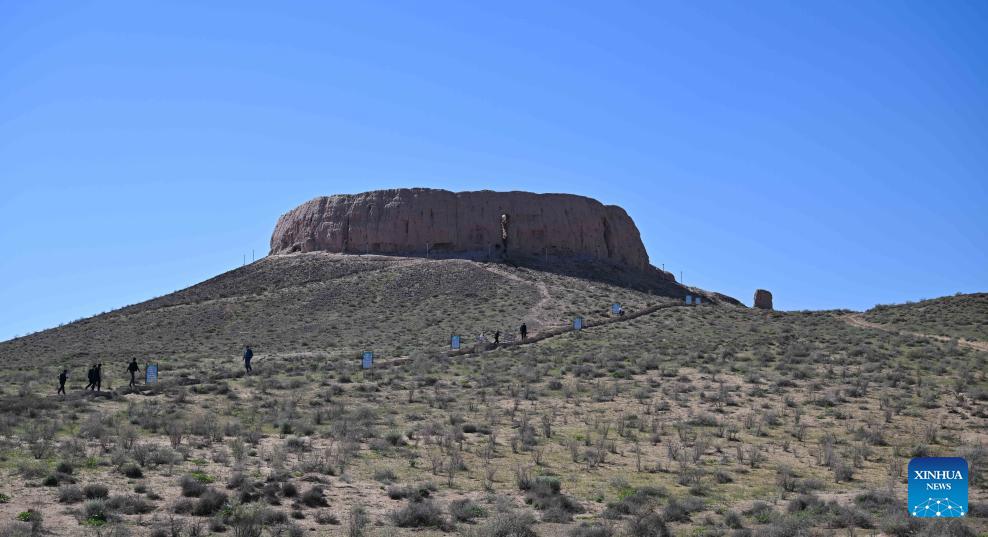
This photo taken on April 11, 2026 shows the Chilpik monument near Nukus, Uzbekistan. Located more than 40 kilometers south of Nukus, the capital of the Republic of Karakalpakstan in Uzbekistan, the Chilpik monument was an ancient Zoroastrian archaeological site and later served as a signal tower. Nowadays, It becomes one of the region's key cultural symbols and attracts crowds of visitors from home and abroad. (Xinhua/Li Renzi)