


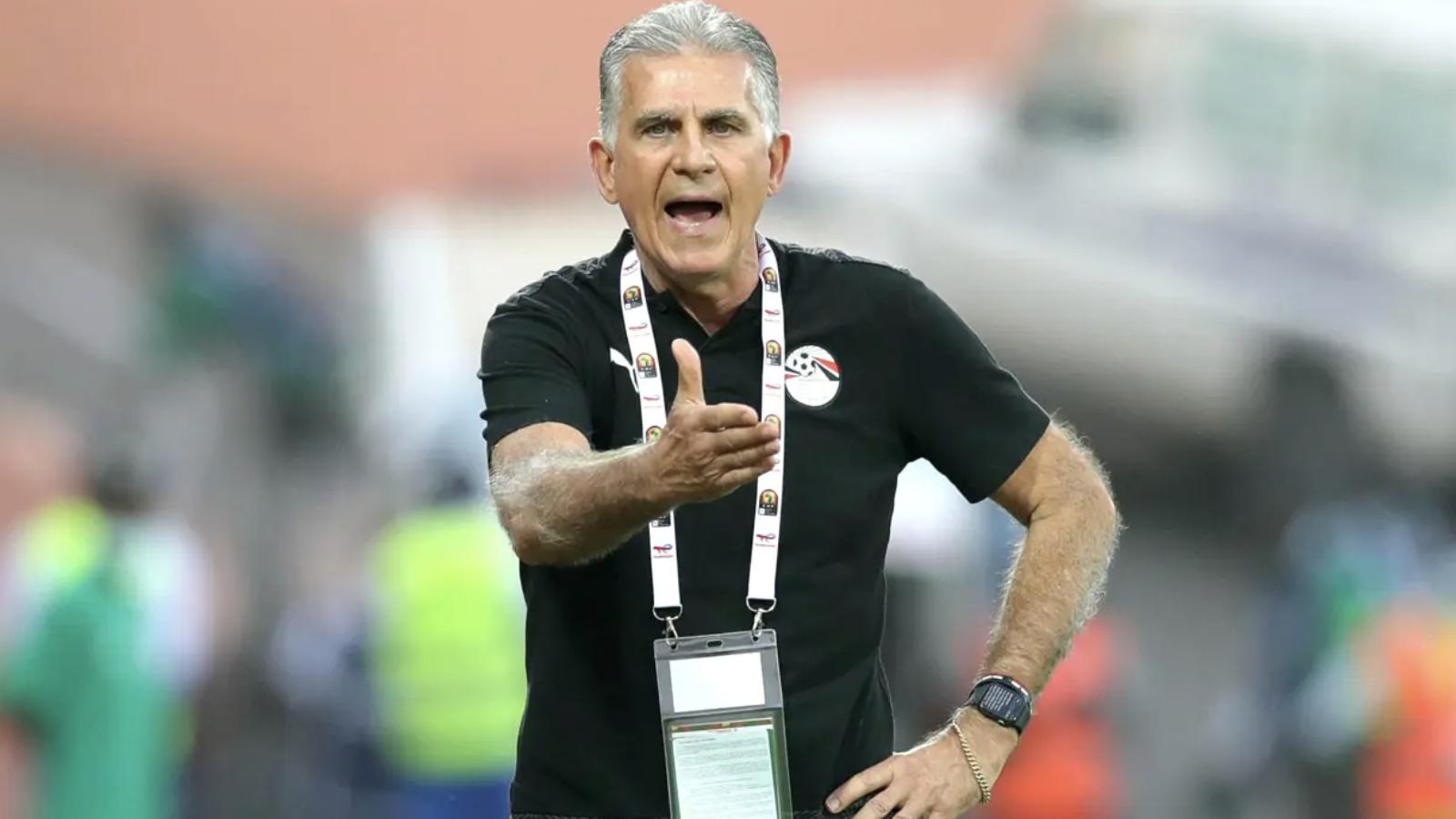
Ghana has appointed veteran Portuguese coach Carlos Queiroz as head coach of the Black Stars, as the West African nation looks to reset ahead of the 2026 FIFA World Cup, April 13, 2026. (Photo: CAF)
Ghana appointed veteran Portuguese coach Carlos Queiroz as head coach of the Black Stars, as the West African nation looks to reset ahead of the 2026 FIFA World Cup.
The Ghana Football Association (GFA) confirmed the decision on Monday, following the departure of Otto Addo earlier this month after a challenging spell in charge. Queiroz takes over at a critical moment, with limited time to prepare for the expanded global tournament in the United States, Canada and Mexico.
At 73, Queiroz arrives with a reputation built on decades at the highest level of the game. His international resume includes leading South Africa to the 2002 World Cup, guiding Portugal to the knockout stages in 2010, and managing Iran at the 2014, 2018 and 2022 tournaments. He has also coached Egypt, reaching the 2021 Africa Cup of Nations final.
Known for his disciplined, defence-first approach, Queiroz has consistently organized teams to compete against stronger opponents, a quality Ghana will likely rely on in a challenging World Cup group.
His experience also extends to elite club football, including a stint as Real Madrid head coach and a successful period as assistant to Sir Alex Ferguson at Manchester United.
Queiroz steps into the role with urgency. The 2026 World Cup kicks off on June 11, leaving him with less than three months to shape the squad and define a tactical identity.
Ghana will begin their campaign against Panama in Toronto on June 17, before facing tougher tests against England and Croatia in fixtures that will demand both organization and resilience.
The GFA has made clear that Queiroz's immediate priority is to stabilize the team and ensure it is competitive from the outset.
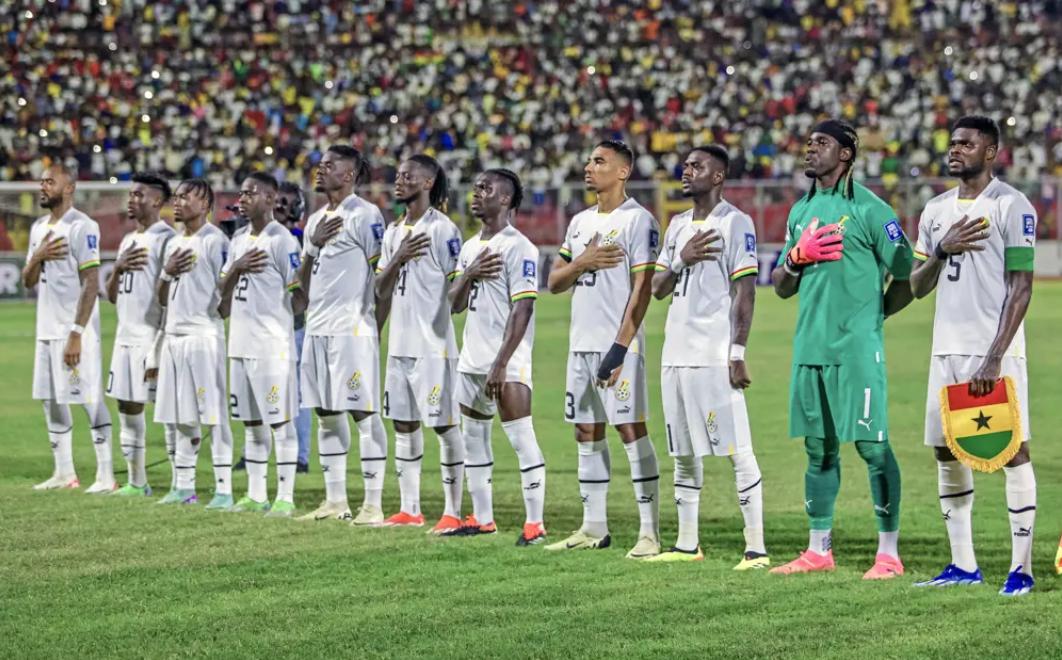
The Ghana Football national team, the Black Starts, April 13, 2026. (Photo: CAF)
The coaching change reflects deeper concerns about form and direction within the national team setup. Recent performances had raised questions about consistency and identity, ultimately leading to Addo's exit.
By appointing Queiroz, Ghana is signaling a shift toward experience and structure, prioritizing a steady hand over long-term experimentation at a crucial juncture.
For Queiroz, the task is not only tactical but psychological: restoring belief within a squad representing one of Africa's most storied football nations.
Ghana's football history carries weight. The Black Stars famously reached the World Cup quarterfinals in 2010, setting a benchmark for African teams on the global stage. Replicating or surpassing that achievement will be a formidable challenge, but expectations remain high.
For now, the focus is on preparation. Squad selection, cohesion and tactical clarity will define Ghana's prospects, and all eyes will be on Queiroz as he attempts to turn experience into results on football's biggest stage.