


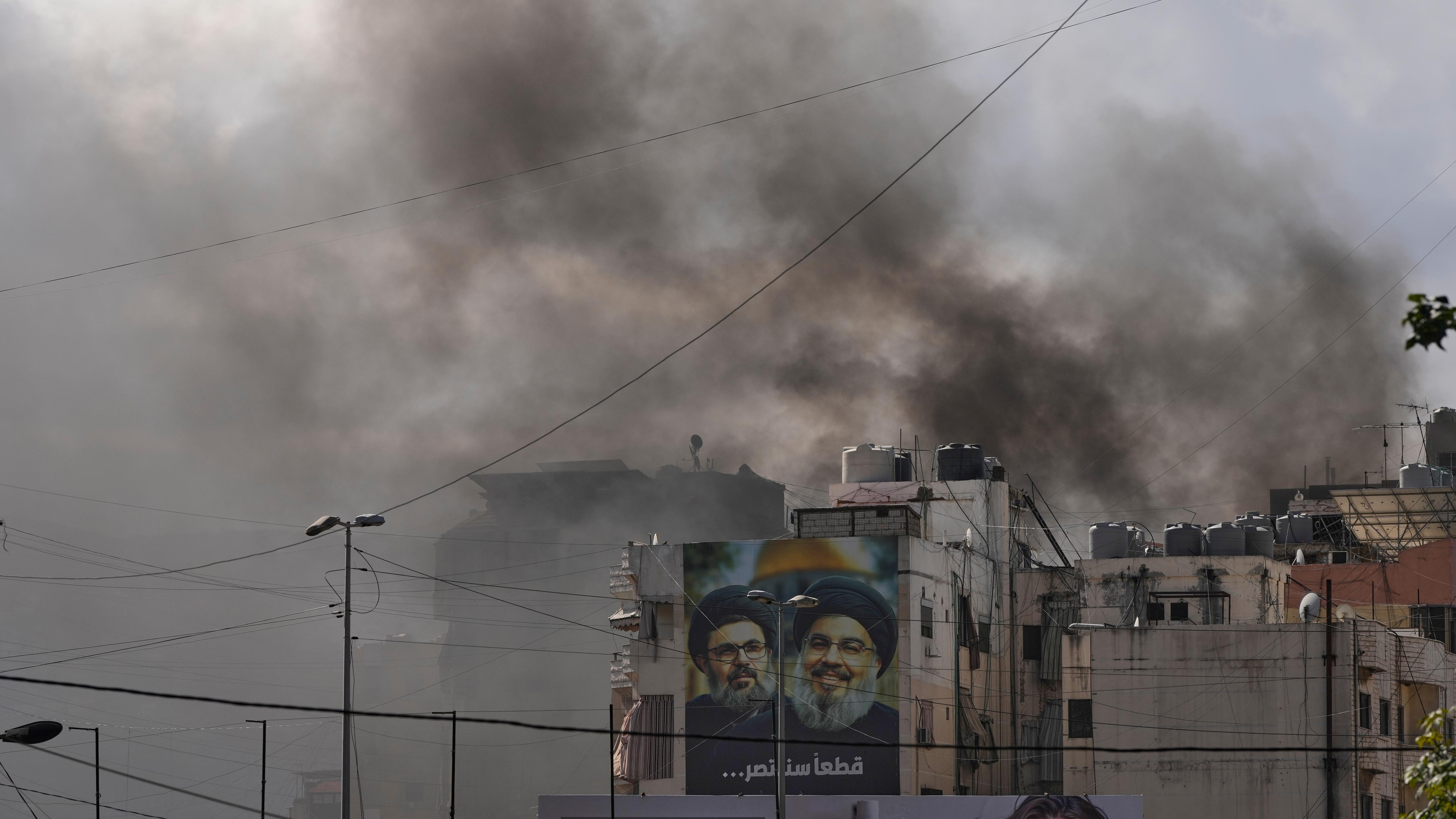
Portraits of Hezbollah's late leaders Hassan Nasrallah, right, and his cousin, Hashem Safieddine, are seen, as smoke rises following an Israeli airstrike in Dahiyeh, Lebanon. (Photo: AP)
In late April, US President Donald Trump said Israel and Lebanon have agreed to extend a ceasefire between Israel and the Hezbollah militant group by three weeks after talks at the White House.
But as the fragile ceasefire holds, the Israeli military invasion of southern Lebanon continues, while Hezbollah remains opposed to direct talks with Israel, believing Lebanon should instead support Iran in its talks with the United States, saying Tehran has more leverage.
The latest war between Israel and the Lebanese militant group is far from the first conflict between them. The two have an enmity that goes back more than four decades, with outbursts of fighting or outright war punctuated by periods of tense calm.
Here is a timeline of some significant events in the hostilities between them:
1982
Israel invades Lebanon in an offensive against the Palestine Liberation Organization and allied groups.
Hezbollah is formed, with Iranian backing and based on the Iran's Islamic Revolution model, to fight Israel's ensuing occupation of southern Lebanon. It launches a guerrilla war against Israel.
1992
Hezbollah leader Abbas Mousawi is killed by an Israeli helicopter attack.
His successor is Hassan Nasrallah, who will lead the group for the next three decades.
1996
Israel launches an offensive aiming to push Hezbollah north of the Litani River, some 30 kilometers from the border.
Israeli artillery shelling on a United Nations compound housing hundreds of displaced people in Qana kills at least 100 civilians and wounds scores more.
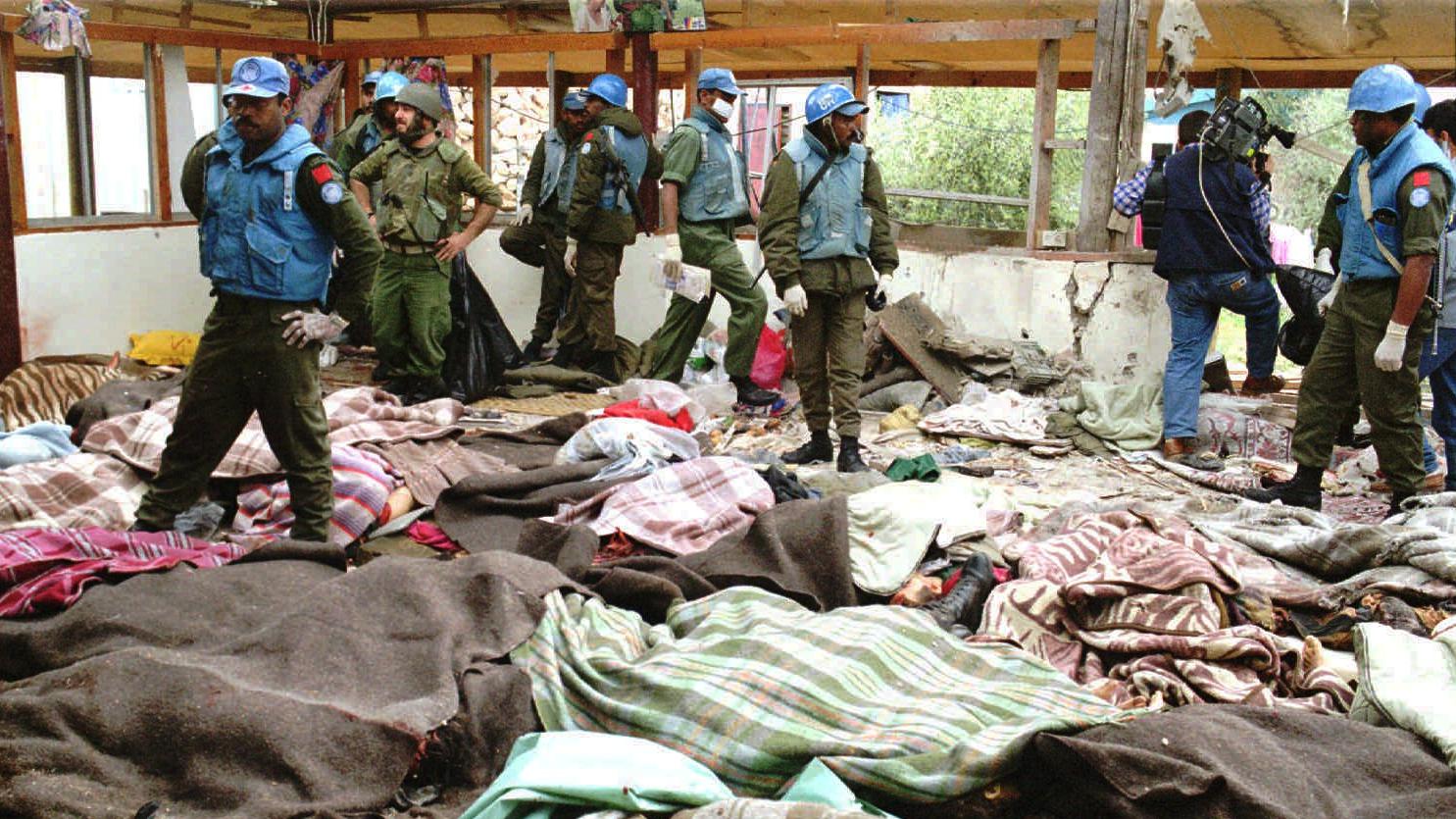
Israel shelled the United Nations compound, killing 106 civilians. Hundreds of Lebanese civilians were using the compound to escape fighting between militant Hezbollah fighters and Israel. (Photo: AP)
2000
After a long war of attrition, Israel withdraws its forces from southern Lebanon, which is heralded around the Arab world as a major victory for Hezbollah.
2006
Hezbollah fighters ambush an Israeli patrol, killing three Israeli soldiers and taking two hostage in a cross-border raid, sparking a month-long war between Hezbollah and Israel that ends in a draw.
Israeli bombardment razes villages and residential blocks in southern Lebanon and Beirut's southern suburbs, a scorched-earth approach that is dubbed the "Dahiyeh Doctrine".
2008
Imad Mughniyeh, Hezbollah's military chief, is killed when a bomb planted in his car exploded in Damascus.
The assassination is blamed on Israel.
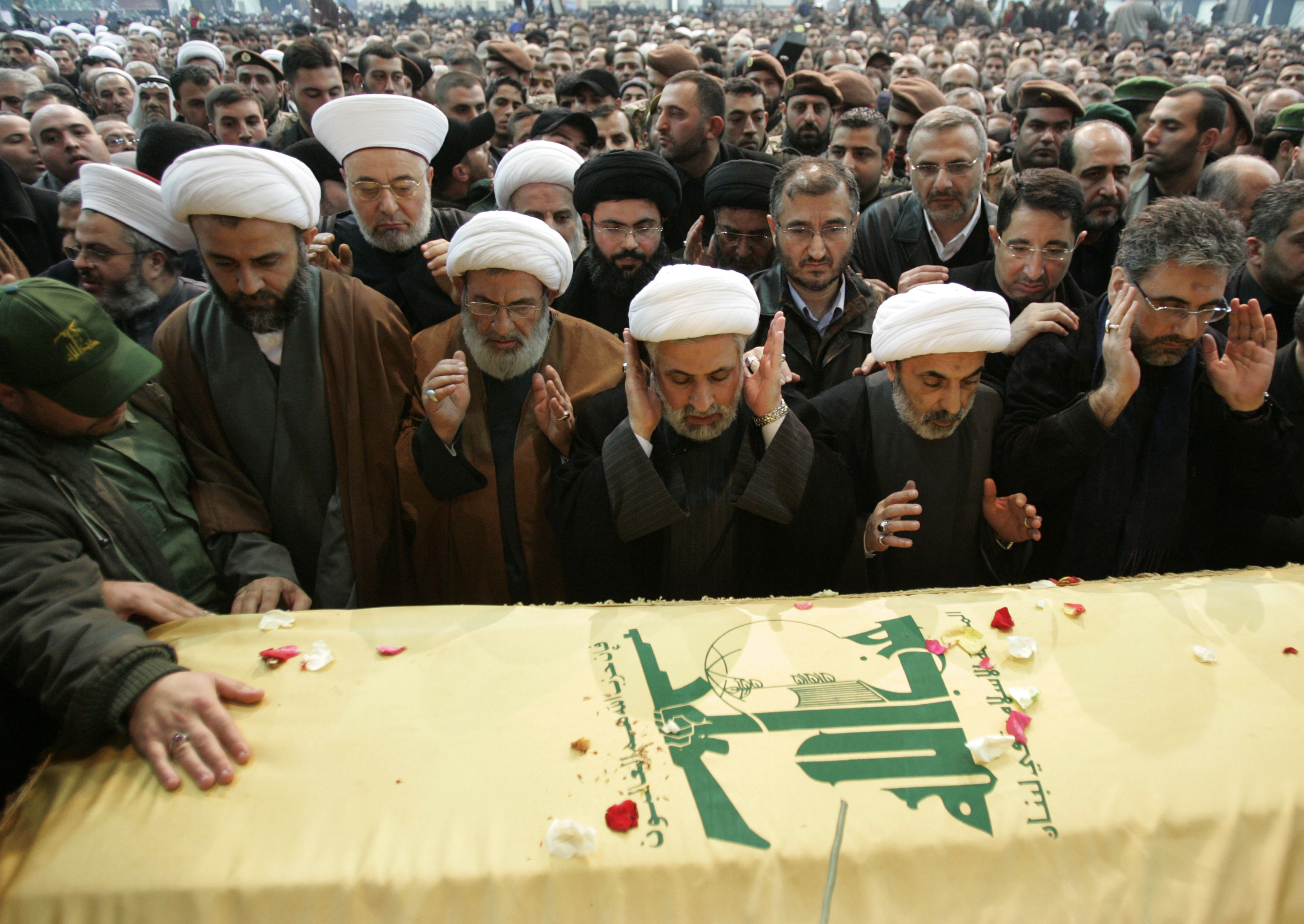
Hezbollah members pray over the coffin of their slain top commander Imad Mughniyeh, who was killed in a car bombing in Damascus, Syria, in Beirut southern suburbs, on 14 February, 2008. (Photo: AP)
2012
Hezbollah enters the Syrian civil war in support of then-President Bashar Assad.
In the years that follow, Israel periodically begins carrying out airstrikes in Syria targeting Iranian and Hezbollah facilities and officials or weapons shipments that it said were bound for Hezbollah.
Israel still avoided carrying out strikes on Hezbollah on Lebanese territory during this period.
8 October, 2023
That day after a Hamas-led attack in southern Israel sparks the war in Gaza, Hezbollah fires missiles across the border.
Israel responds with airstrikes and shelling and the two enter into a low-level conflict that initially remains mainly confined to the border area.
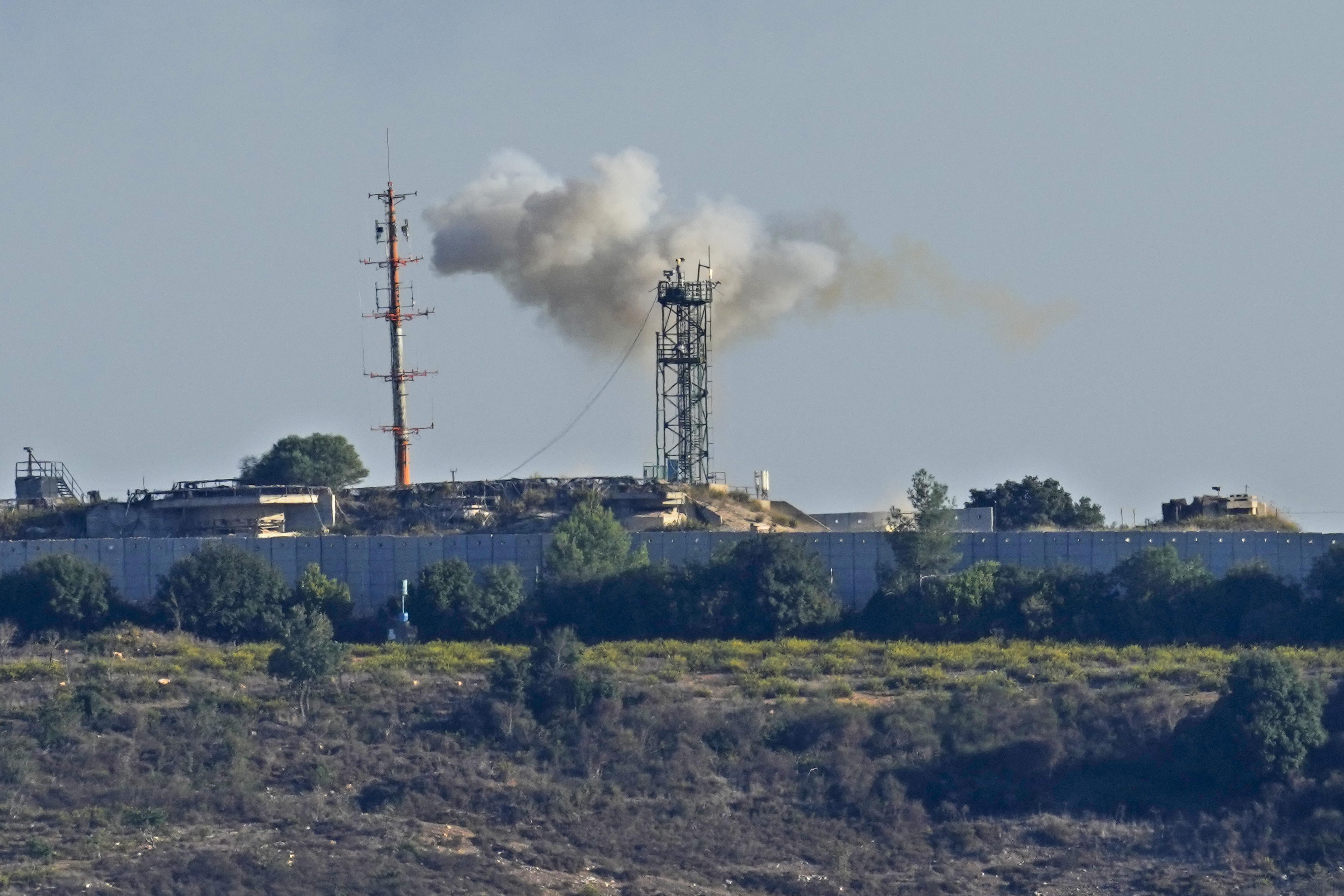
Smoke rises from inside an Israeli army position which was hit by Hezbollah fighters as seen from Tair Harfa village, a Lebanese border village with Israel, south Lebanon, on 20 October, 2023. (Photo: AP)
17 September, 2024
Israel launches an attack in Lebanon using remotely-triggered explosive-laden pagers issued to Hezbollah fighters and civilian employees.
A day later, a similar attack targets walkie-talkies.
The attacks kill dozens of people and maim thousands, most of them Hezbollah members but also including women and children.
27 September, 2024
Hassan Nasrallah is killed in a series of massive airstrikes in Beirut's southern suburbs.
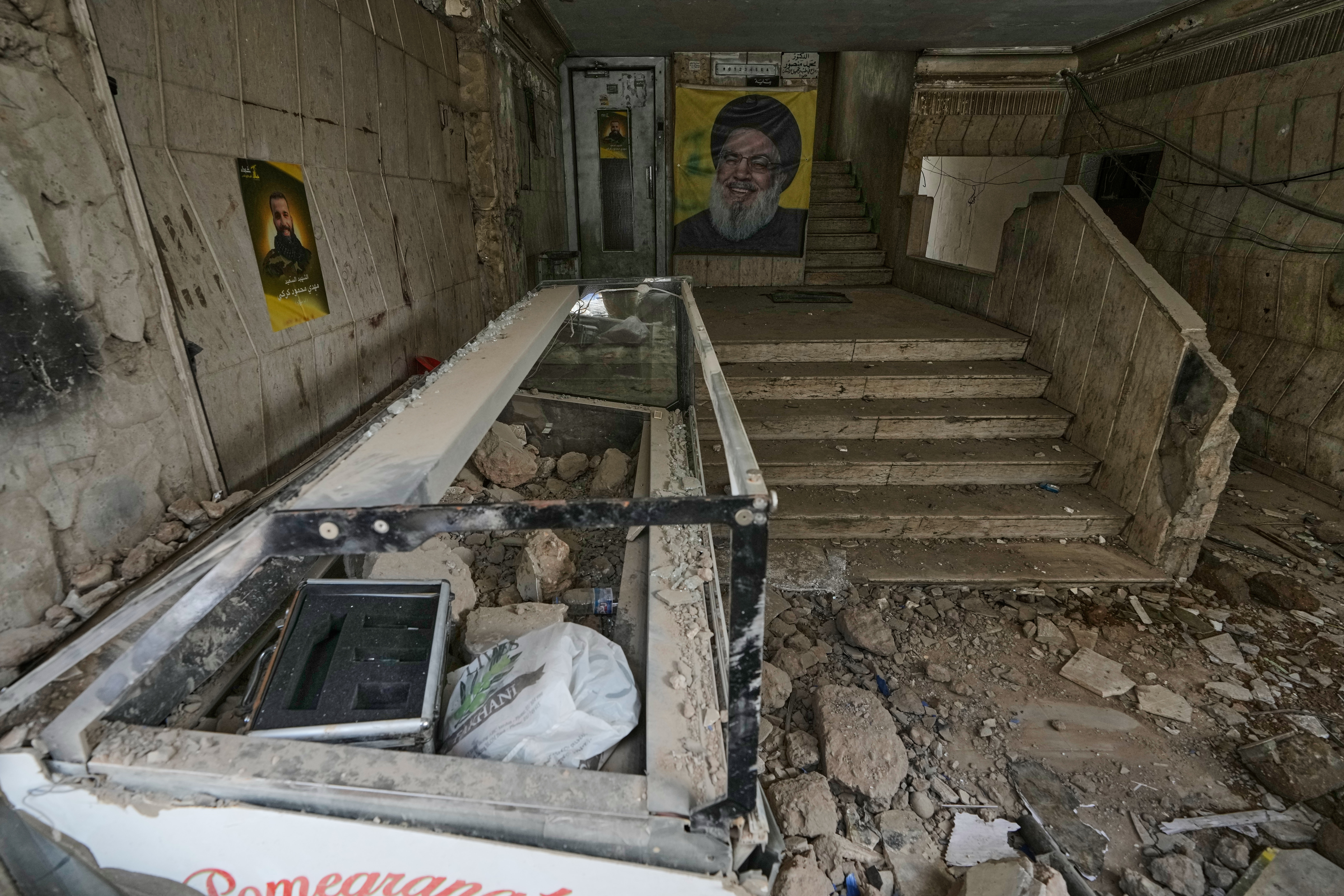
A portrait of the late Hezbollah leader Sayyed Hassan Nasrallah, center, hangs at the entrance of a building damaged in an Israeli airstrike in Dahiyeh, Lebanon. (Photo: AP)
27 November 2024
A US-brokered ceasefire nominally ends the Israel-Hezbollah war.
Israel continues to carry out regular strikes in Lebanon that it says aim to stop Hezbollah from rebuilding.
2 March, 2026
Two days after Israel and the US attacked Iran, triggering a wide-reaching war in the Middle East, Hezbollah launches missiles toward Israel.
It says the salvo is in retaliation for the killing of Iranian Supreme Leader Ayatollah Ali Khamenei and for "repeated Israeli aggressions" in Lebanon.