


NAIROBI, May 20 (Xinhua) -- Against the backdrop of mounting tensions in the Middle East, volatile global oil prices have dealt a heavy blow to African economies reliant on energy imports.
File photo: IC
Rising fuel costs are spilling over into agriculture, transportation, power and other sectors, increasing living expenses while fueling public discontent. In response to growing livelihood pressures, multiple African governments have introduced measures to address the crisis.
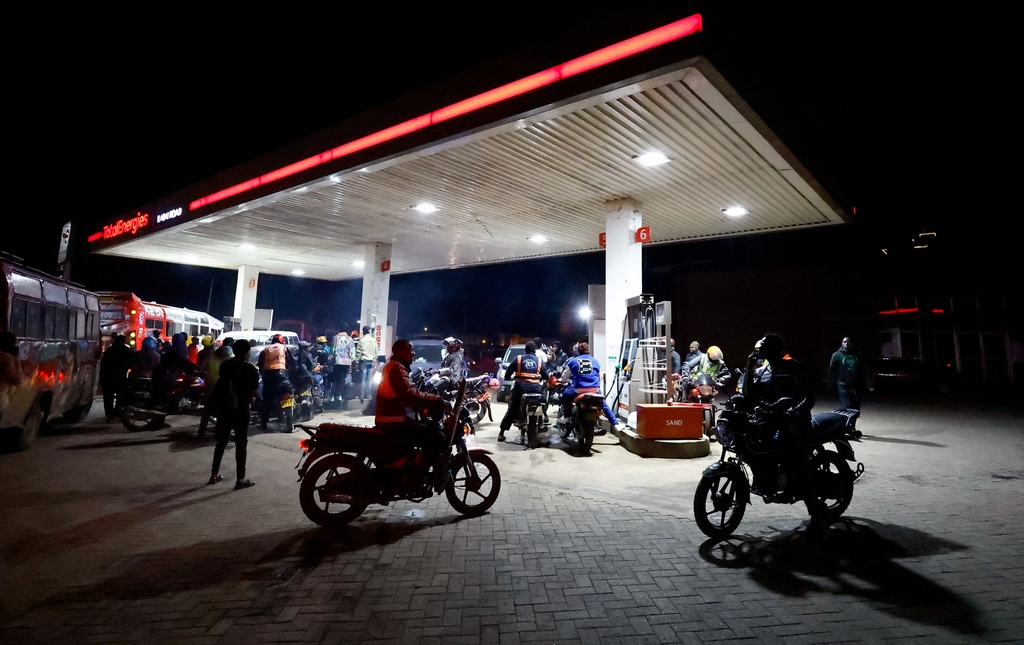
In several Kenyan cities, including Nairobi, Mombasa, and Kisumu, locals have expressed frustration over fuel price hikes and surging living costs.
Kenya's Transport Sector Alliance said that soaring fuel prices have increased operating costs, leading many truck drivers to reduce their trips.
According to Kenya National Bureau of Statistics, in April, food prices rose by 8.8 percent and transport prices surged by 10 percent, driving the overall inflation rate up to 5.6 percent from 4.4 percent in March.
Comoros relies entirely on imported petroleum products for its fuel supply, with local livelihoods highly vulnerable to global oil price fluctuations. Local media reported that fishermen and taxi drivers have seen their income margins significantly squeezed due to continuous fuel price increases.
In South Africa, petrol and diesel prices neared a four-year high due to rising international oil prices and a weakening domestic currency. Daily commuting has become a major financial burden for many citizens. Analysts noted that surging fuel costs are increasing logistics expenses, raising the prices of essential goods like food and worsening domestic inflation.
Many African governments have implemented a range of measures.
Kenya has announced diesel price reductions, tax adjustments, and is considering expanding public transport subsidies. Zambia approved zero-rating of value-added tax and the suspension of excise duty on petrol and diesel imports for a period of three months.
South Africa extended fuel levy relief, while Namibia used its National Energy Fund to absorb part of the under-recoveries and associated fuel premiums. Senegal and Cote d'Ivoire have used fiscal funds to cap fuel and essential goods prices to secure people's livelihoods.
In its latest Regional Economic Outlook for Sub-Saharan Africa, the International Monetary Fund lowered the region's 2026 growth forecast to 4.3 percent.
It warned that the war in the Middle East had significantly clouded the outlook. "Oil, gas, and fertilizer prices, together with shipping costs, have risen sharply. Furthermore, the shock has disrupted the trade with Gulf partners, reduced tourist arrivals," said the report.
"Oil-importing, non-resource-rich countries face a deterioration in trade balance and higher cost of living, while oil exporters will benefit from stronger export revenues but remain exposed to volatility and procyclical policy risks," it added.
While some are pursuing long-term solutions such as refinery construction, oilfield development, and strategic petroleum reserves, these measures may not immediately ease the strain of high prices. Stabilizing energy supplies and mitigating social unrest caused by economic hardship have become shared challenges across the continent.
Claver Gatete, executive secretary of the United Nations Economic Commission for Africa, said that global shocks continue to expose Africa's vulnerabilities, from fuel and fertilizer disruptions to inflationary pressures and constrained fiscal space.
He emphasized the need to address immediate shocks and long-term challenges through strategic infrastructure corridors, deeper regional integration and accelerated industrialization.