


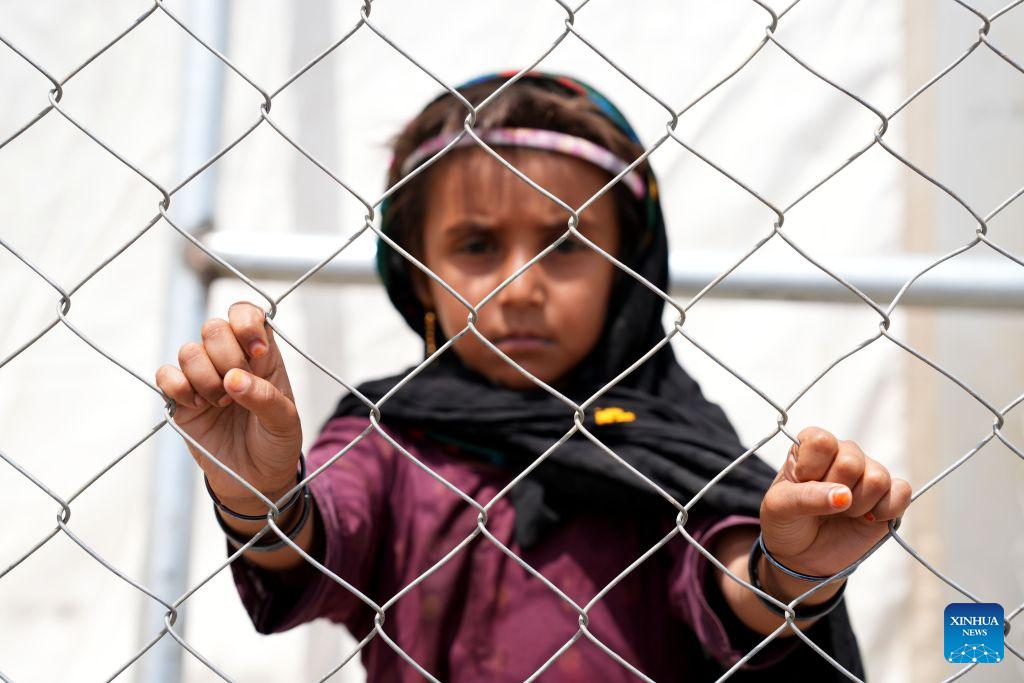
An Afghan child is seen at a refugee camp at the Torkham border crossing point in Nangarhar, Afghanistan, June 18, 2026. For millions of Afghans returning home after years or even decades abroad, the end of exile has marked the beginning of a new struggle. (Photo by Saifurahman Safi/Xinhua)
TORKHAM, Afghanistan, June 20 (Xinhua) -- For millions of Afghans returning home after years or even decades abroad, the end of exile has marked the beginning of a new struggle.
Faced with shortages of shelter, jobs and basic services, and with limited support for reintegration, many returnees are finding it difficult to rebuild their lives in a country already grappling with economic hardship, natural disasters and a prolonged humanitarian crisis.
At Omari refugees' camp, located just a few hundred meters from the main border crossing between Afghanistan and Pakistan in eastern Nangarhar province, humanitarian workers labor around the clock to help ease the first shock of return.
The camp, which contains 1,200 tents provided with support from the Chinese government, the UN refugee agency UNHCR and other humanitarian organizations, offers temporary shelter to vulnerable families arriving from across the border.
Among them is Zakirullah, a father who spent more than two decades in Pakistan before returning with his six children, all of whom were born and raised there.
Originally from Afghanistan's eastern Kunar province, Zakirullah faces challenges far beyond those associated with reintegration. Last year's devastating 6.0-magnitude earthquake destroyed his house, land and belongings, leaving him to confront displacement and disaster at the same time.
"My house, my land, and everything I owned were destroyed by the earthquake," he told Xinhua.
Appealing for assistance, he urged authorities to allocate land where his family could start over.
"We ask the government to provide land for us in Kunar, Jalalabad, or any other suitable place so that we can rebuild our lives," he said.
Zakirullah's story is far from unique.
According to a report released Tuesday by the International Organization for Migration (IOM), more than 6.04 million Afghans have returned from neighboring Iran and Pakistan between mid-September 2023 and May 30, 2026, a figure equivalent to roughly one-sixth of Afghanistan's population.
Many of the returnees have spent decades, and in some cases their entire lives, outside Afghanistan. Upon returning, they often find themselves with limited social networks, little familiarity with local systems and customs, and restricted access to housing, livelihoods, public services, civil documentation and protection mechanisms, the report said.
Further south, 60-year-old Dawlatzai, who spent nearly half his life in Pakistan, described his return as both joyful and painful.
"I am happy to have returned to my homeland," he said.
Yet the hardships of exile remain visible on his weathered face.
"We have neither a place to live nor an adequate shelter. We have sick family members, and our financial situation is extremely difficult," he said.
Like many others, he hopes to receive land and medical assistance for his family.
Recognizing the scale of the challenge, the Afghan government has begun allocating land for returnees. Last week, deputy spokesman for the administration Hamdullah Fitrat announced that 42,614 residential plots had been designated nationwide to support resettlement efforts.
Still, demand far exceeds available resources.
Khano, another resident of Omari camp, returned after spending a decade in Pakistan with his wife and two children. Back in his native Logar province, he found neither a home nor a livelihood waiting for him.
"We have nowhere to live, and we urgently need support. I am also suffering from health problems," he said.
"We ask the government to allocate land for us and provide a suitable place to settle so that we can start our lives again with dignity and hope."
For camp officials, the growing influx has underscored the urgent need for greater international assistance.
Mullah Mohammad Hashim Maiwandwal, director of Omari refugees' camp, called on humanitarian agencies, particularly UNHCR, IOM and the World Food Programme (WFP), as well as business leaders and wealthy citizens, to step up support.
"Returning refugees have a rightful claim on all of us," he told Xinhua. "Every individual and institution has a moral responsibility to assist them. Unfortunately, many of their basic needs have yet to be adequately addressed."
Maiwandwal expressed particular appreciation to the Chinese government for providing tents, blankets, potable water tankers and other emergency relief supplies.
As the world marks World Refugee Day, the situation facing Afghan returnees highlights the growing pressure on a country struggling to absorb millions of people in a short period of time.
Aid agencies warn that without sustained international assistance, existing support systems may struggle to meet the scale of the challenge.
As evening falls over Omari camp, children weave between rows of white tents while their parents contemplate an uncertain future.
For thousands of Afghan returnees, the journey home may be over, but the struggle to rebuild their lives has only just begun.
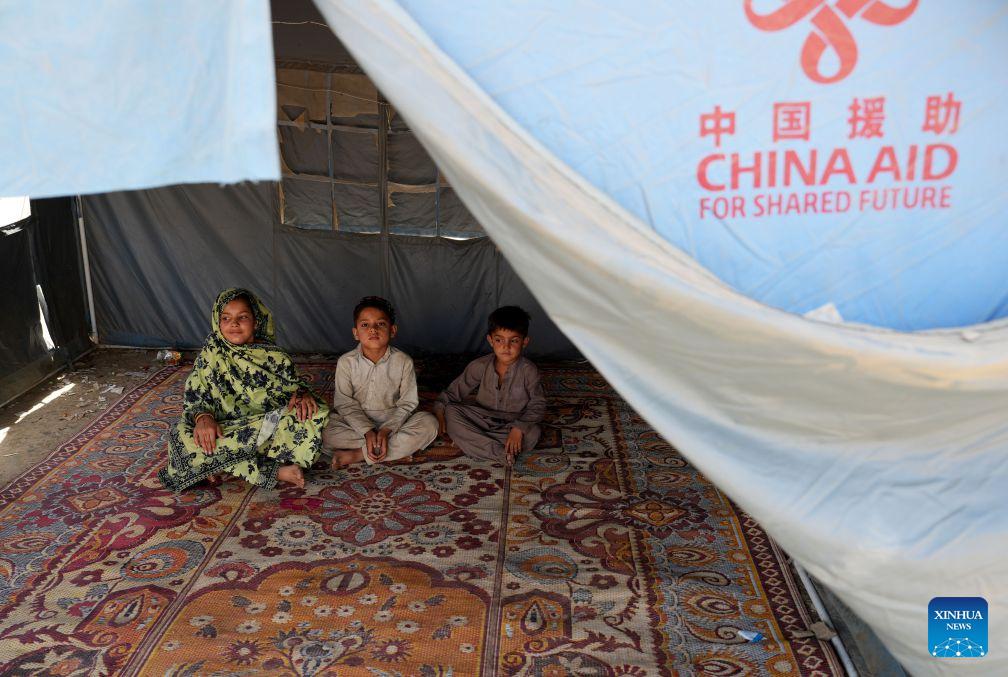
Afghan children are seen at a refugee camp at the Torkham border crossing point in Nangarhar, Afghanistan, June 18, 2026. For millions of Afghans returning home after years or even decades abroad, the end of exile has marked the beginning of a new struggle.(Photo by Saifurahman Safi/Xinhua)
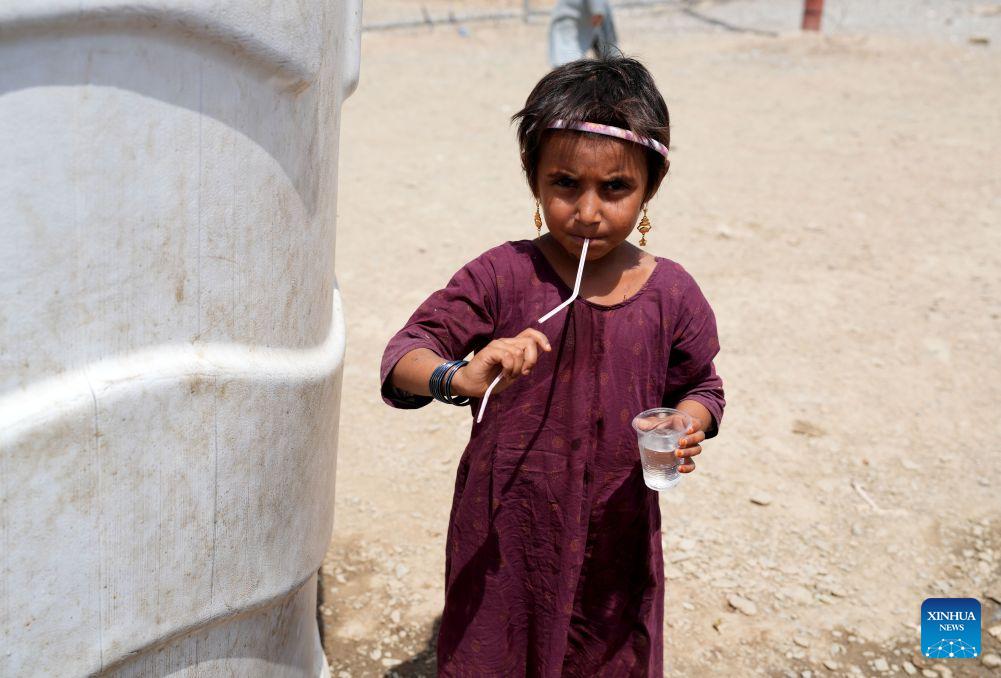
An Afghan child is seen at a refugee camp at the Torkham border crossing point in Nangarhar, Afghanistan, June 18, 2026. For millions of Afghans returning home after years or even decades abroad, the end of exile has marked the beginning of a new struggle.(Photo by Saifurahman Safi/Xinhua)
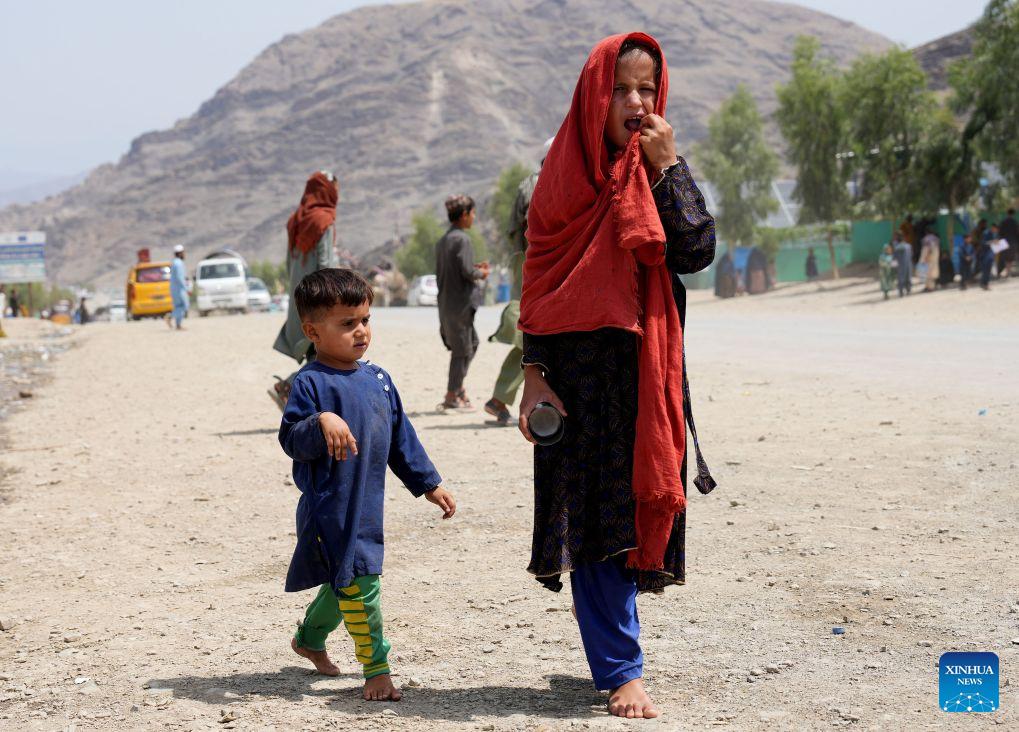
Afghan children are seen at a refugee camp at the Torkham border crossing point in Nangarhar, Afghanistan, June 18, 2026. For millions of Afghans returning home after years or even decades abroad, the end of exile has marked the beginning of a new struggle.(Photo by Saifurahman Safi/Xinhua)
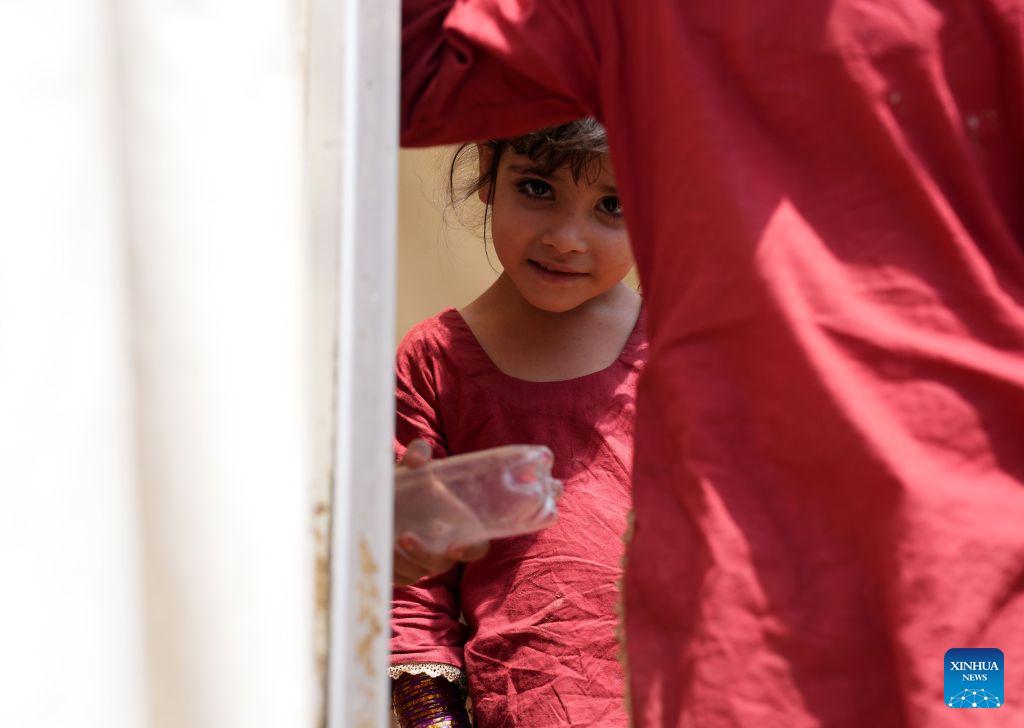
An Afghan child is seen at a refugee camp at the Torkham border crossing point in Nangarhar, Afghanistan, June 18, 2026. For millions of Afghans returning home after years or even decades abroad, the end of exile has marked the beginning of a new struggle.(Photo by Saifurahman Safi/Xinhua)
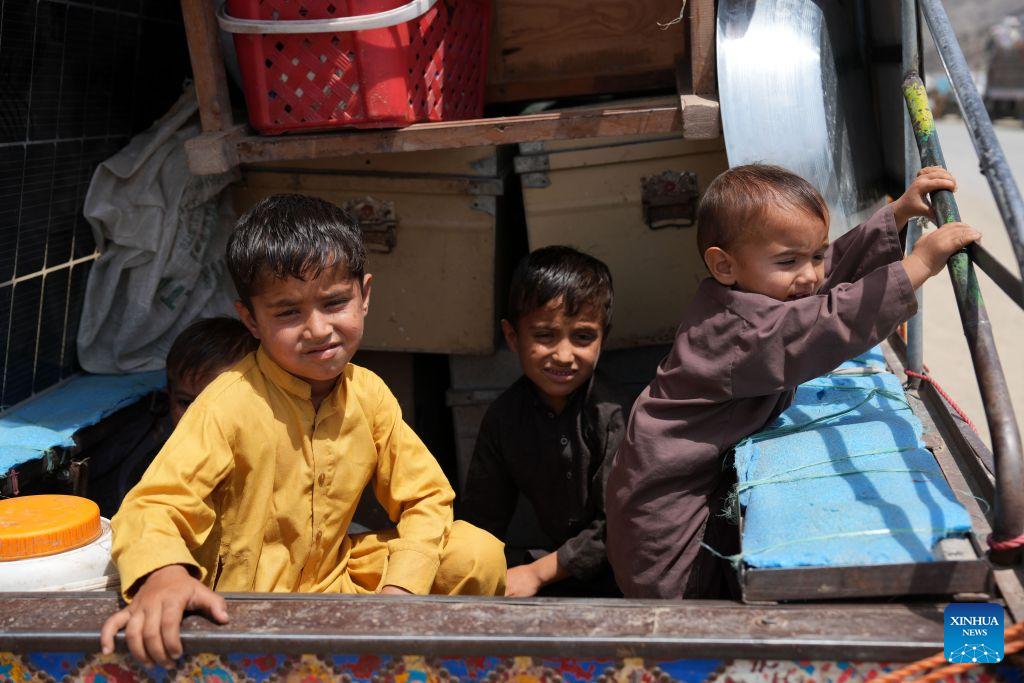
Afghan children are seen at a refugee camp at the Torkham border crossing point in Nangarhar, Afghanistan, June 18, 2026. For millions of Afghans returning home after years or even decades abroad, the end of exile has marked the beginning of a new struggle.(Photo by Saifurahman Safi/Xinhua)
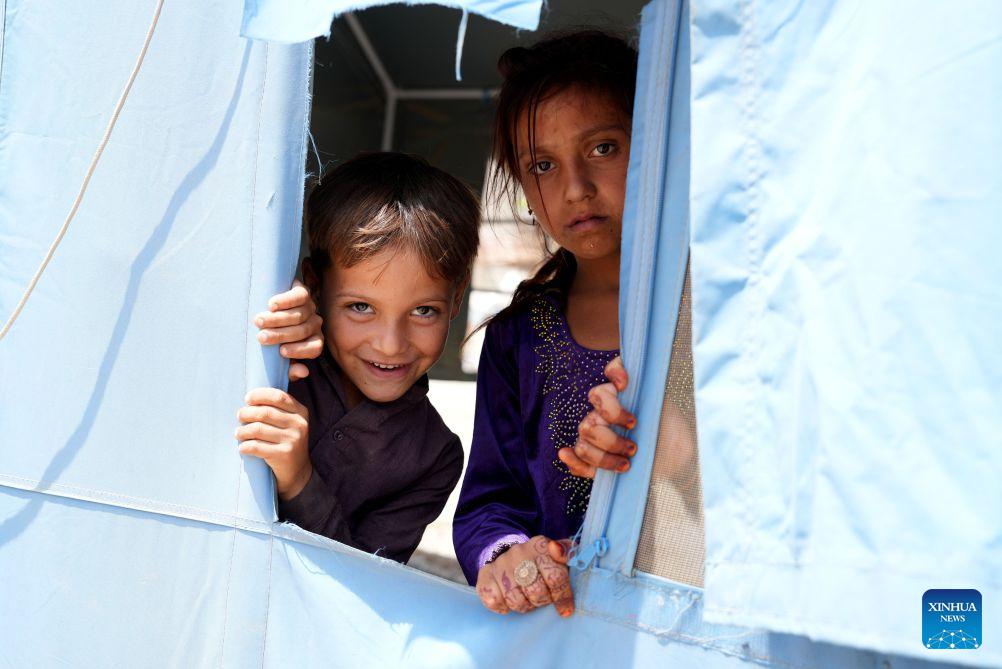
Afghan children are seen at a refugee camp at the Torkham border crossing point in Nangarhar, Afghanistan, June 18, 2026. For millions of Afghans returning home after years or even decades abroad, the end of exile has marked the beginning of a new struggle.(Photo by Saifurahman Safi/Xinhua)