


TEHRAN, June 27 (Xinhua) -- A senior advisor to Iran's supreme leader said on Saturday the United States has violated a recently signed peace memorandum of understanding (MoU) between Tehran and Washington by continuing to create tension in the Strait of Hormuz.
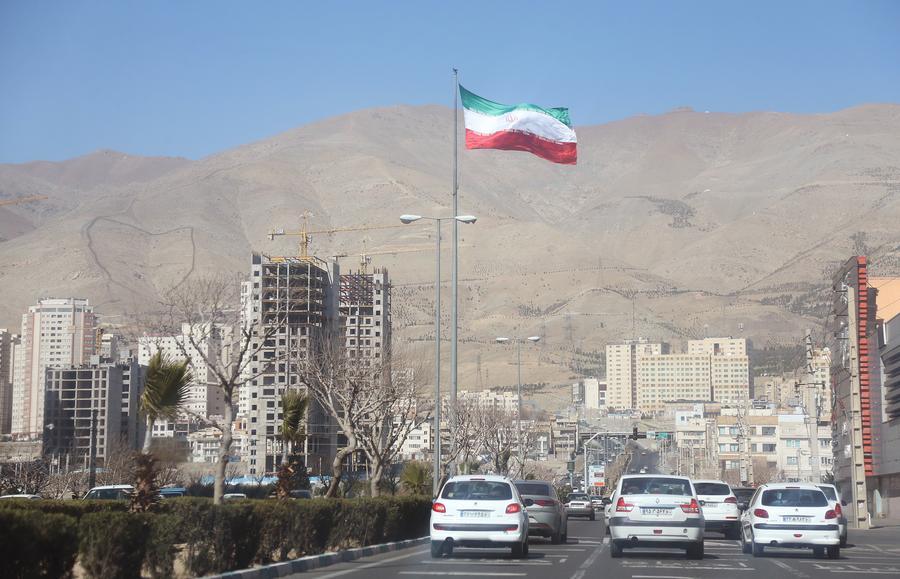
This photo taken on Feb. 20, 2026 shows a city view of Tehran, Iran. (Photo: Xinhua)
Mohsen Rezaei, who is also a former commander of the Islamic Revolution Guard Corps (IRGC), made the remarks in a post on social media platform X hours after the United States carried out airstrikes on Iran's southern coastal areas.
He said, "The United States, by supporting the actions of its proxy force (Israel) in the region and continuing to create tension in the Strait of Hormuz, has violated the first and fifth paragraphs of the (peace) MoU."
Under the first paragraph of the MoU signed on June 18, Iran and the United States, as well as their allies, declared the immediate and permanent termination of military operations on all fronts, including in Lebanon, and undertook not to initiate any war or military operation against each other. According to the fifth paragraph, Iran is responsible for arranging the safe passage of commercial vessels through the Strait of Hormuz for 60 days, at no charge.
Rezaei warned that Iran's response to the violation of each paragraph of the MoU will be "swift and crushing."
Also in a Saturday post on X, Ebrahim Azizi, chairman of the Iranian parliament's national security and foreign policy committee, said the United States once again attacked Iran in the middle of negotiations.
U.S. Central Command said on X early Saturday that its forces conducted strikes against Iran Friday night "as a powerful response to yesterday's attack on a commercial ship that was transiting the Strait of Hormuz," adding that Iran's actions had "violated the ceasefire."
The IRGC said in a statement later that its naval forces had struck U.S. military positions in West Asia in response to the U.S. airstrikes on southern Iran.
It added that the United States had carried out attacks on Iran's southern coastal areas under the pretext of an incident involving a commercial vessel in the Strait of Hormuz, warning that further U.S. attacks would trigger a stronger response.
Iran tightened its grip on the strait beginning Feb. 28, when it barred safe passage of vessels belonging to or affiliated with Israel and the United States following joint strikes on Iranian territory.