


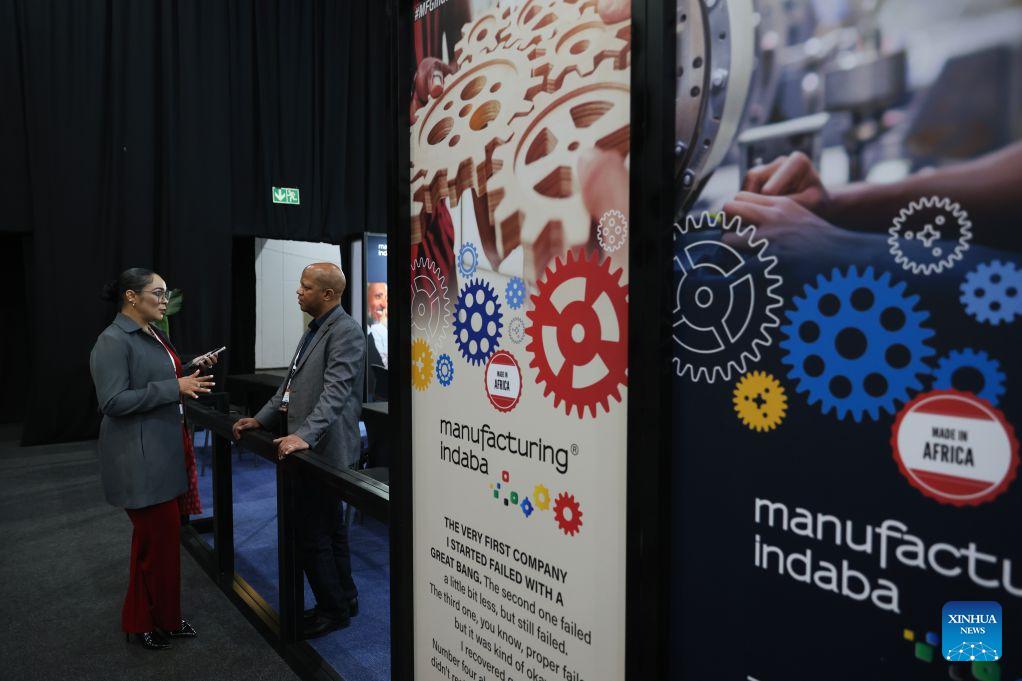
People communicate at the 2026 Manufacturing Indaba in Johannesburg, South Africa, July 14, 2026. Government officials, manufacturers, and investors have called for stronger investment, deeper regional integration, and closer public-private collaboration to accelerate Africa's industrialization at the 2026 Manufacturing Indaba in Johannesburg, South Africa's economic hub.(Xinhua/Chen Wei)
JOHANNESBURG, July 15 (Xinhua) -- Government officials, manufacturers, and investors have called for stronger investment, deeper regional integration, and closer public-private collaboration to accelerate Africa's industrialization at the 2026 Manufacturing Indaba in Johannesburg, South Africa's economic hub.
Addressing the two-day event starting on Tuesday, South Africa's Deputy Minister of Trade, Industry, and Competition John Steenhuisen said manufacturing is the foundation of industrial development, noting that rebuilding the sector is essential to creating jobs, increasing exports, and driving long-term economic growth.
"Manufacturing remains the backbone of every successful industrial economy. It has the potential to create sustainable employment, drive technological innovation, raise productivity, stimulate exports, and generate demand throughout the economy," he said.
South Africa will pursue an industrial strategy focused on diversification, decarbonization, and digitalization to reverse de-industrialization, strengthen local manufacturing, and improve the country's competitiveness, the deputy minister added.
Vuyiswa Ramokgopa, a member of the Executive Council for Agriculture and Rural Development in South Africa's Gauteng Province, said creating an investor-friendly business environment and strengthening partnerships between governments and the private sector would be key to unlocking Africa's industrial potential.
"Governments cannot industrialize the continent on their own," she said, adding that closer cooperation among African governments, investors, and manufacturers would help unlock new opportunities under the African Continental Free Trade Area (AfCFTA) by encouraging greater intra-African investment, industrial partnerships, and cross-border production.
Their words were echoed by Muntanga Lindunda, chief executive officer of the Zambia Association of Manufacturers.
"No single African country can industrialize in isolation," said Lindunda, adding that the AfCFTA should be used to develop regional manufacturing value chains that enable African countries to process more of their natural resources and trade higher-value manufactured products.
Exhibitors at the annual conference said investor interest in Africa's manufacturing sector continues to grow, particularly in automotive production, agro-processing, renewable energy, pharmaceuticals, and advanced manufacturing technologies.
Nomanono Carol Qasha, founding director of Ricwog Projects, a South African engineering and project management company, said the event has created opportunities to showcase the company's expertise in infrastructure development, engineering solutions, and industrial project implementation while exploring partnerships across Africa.
"We are seeing growing interest from investors looking for long-term manufacturing opportunities across Africa. Companies are looking for partners that can help deliver industrial projects and strengthen local production capacity," Qasha said.
Carlos Manuel, a Mozambican exhibitor representing a manufacturing solutions company, said the AfCFTA encourages businesses to expand beyond domestic markets through regional partnerships.
By sharing expertise and investing in local production, African companies can become more competitive and reduce dependence on imports, Manuel said, adding that "the AfCFTA is opening new opportunities for manufacturers to work together across borders." ■
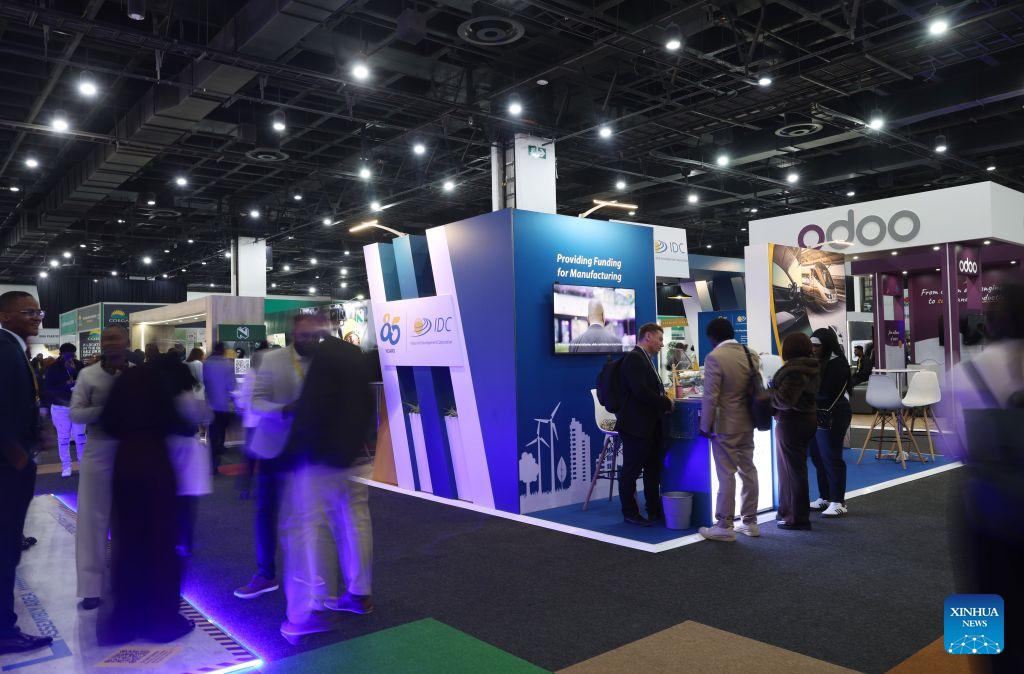
People visit the exhibition area of the 2026 Manufacturing Indaba in Johannesburg, South Africa, July 14, 2026. Government officials, manufacturers, and investors have called for stronger investment, deeper regional integration, and closer public-private collaboration to accelerate Africa's industrialization at the 2026 Manufacturing Indaba in Johannesburg, South Africa's economic hub.(Xinhua/Chen Wei)
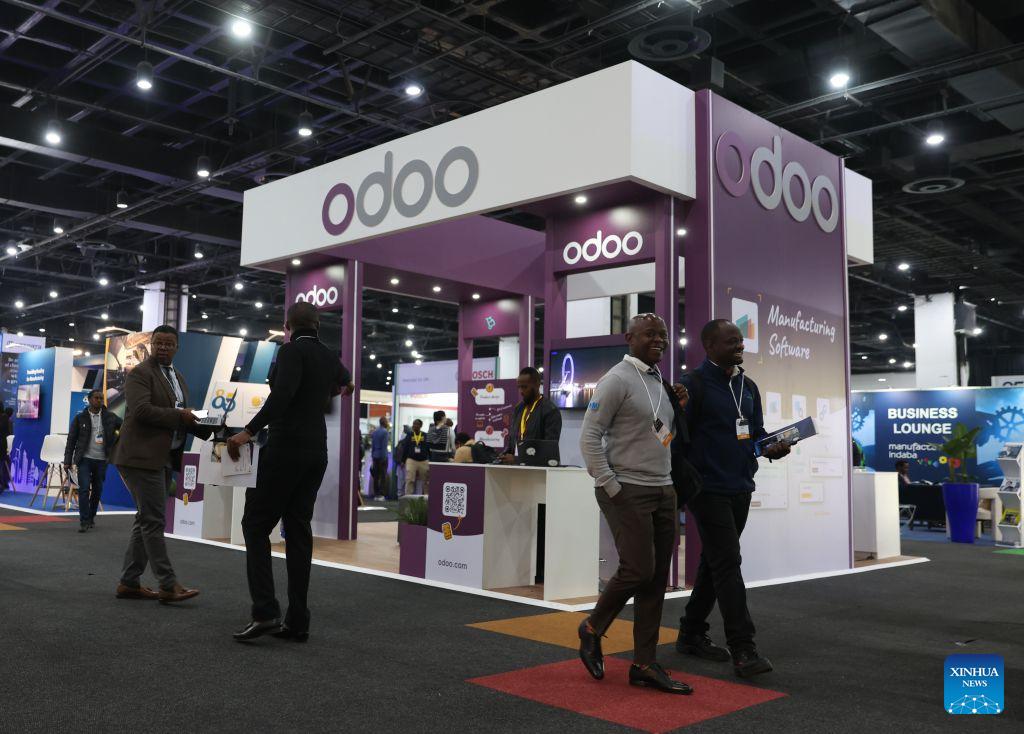
People visit the exhibition area of the 2026 Manufacturing Indaba in Johannesburg, South Africa, July 14, 2026. Government officials, manufacturers, and investors have called for stronger investment, deeper regional integration, and closer public-private collaboration to accelerate Africa's industrialization at the 2026 Manufacturing Indaba in Johannesburg, South Africa's economic hub.(Xinhua/Chen Wei)
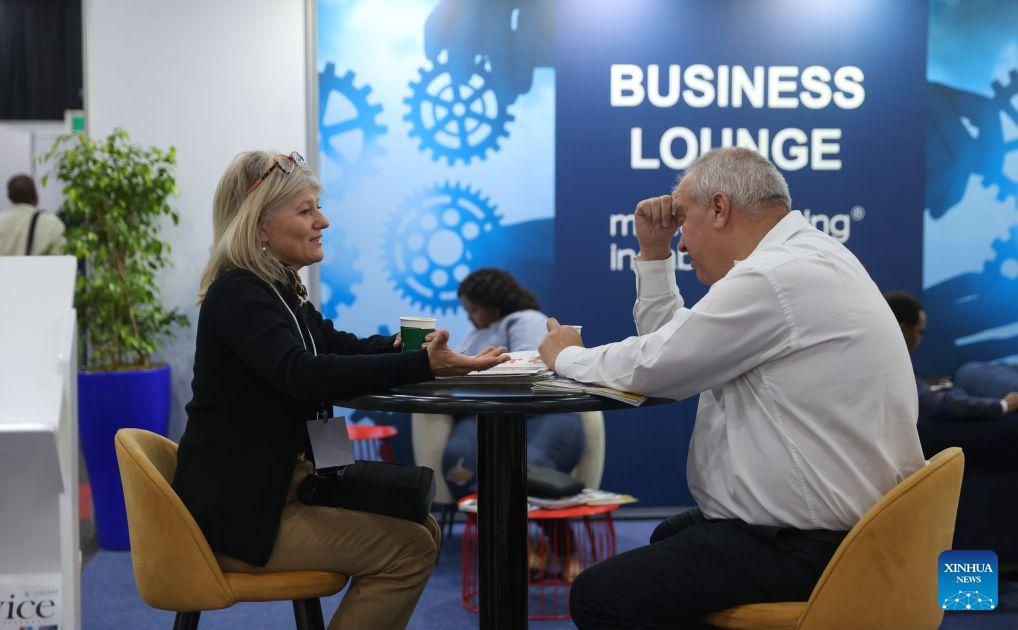
People communicate at the 2026 Manufacturing Indaba in Johannesburg, South Africa, July 14, 2026. Government officials, manufacturers, and investors have called for stronger investment, deeper regional integration, and closer public-private collaboration to accelerate Africa's industrialization at the 2026 Manufacturing Indaba in Johannesburg, South Africa's economic hub.(Xinhua/Chen Wei)
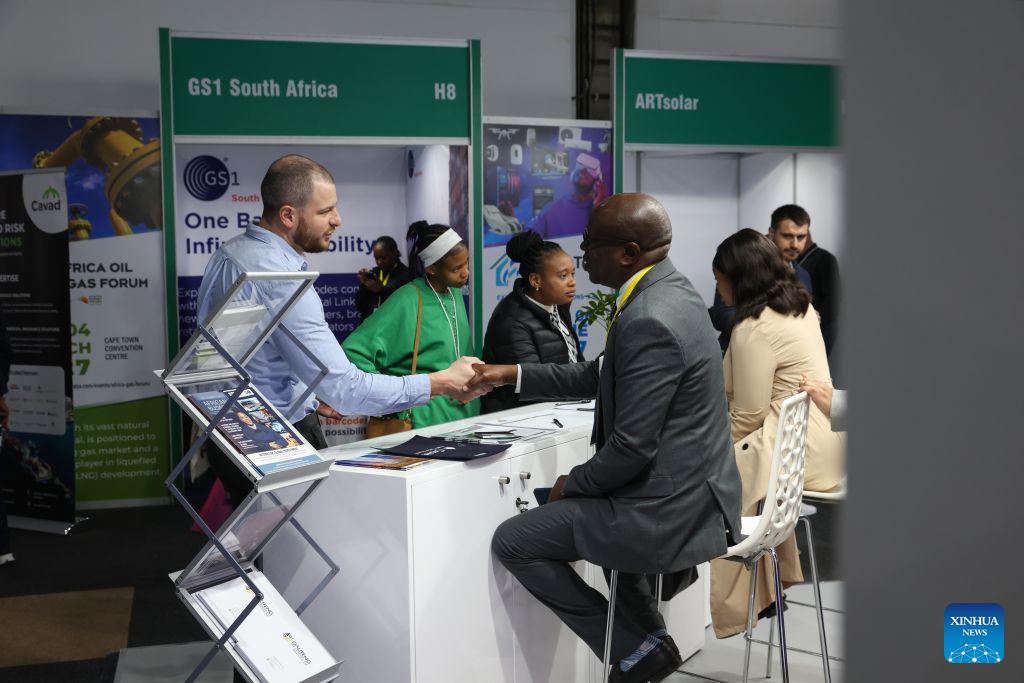
People communicate at the 2026 Manufacturing Indaba in Johannesburg, South Africa, July 14, 2026. Government officials, manufacturers, and investors have called for stronger investment, deeper regional integration, and closer public-private collaboration to accelerate Africa's industrialization at the 2026 Manufacturing Indaba in Johannesburg, South Africa's economic hub.(Xinhua/Chen Wei)
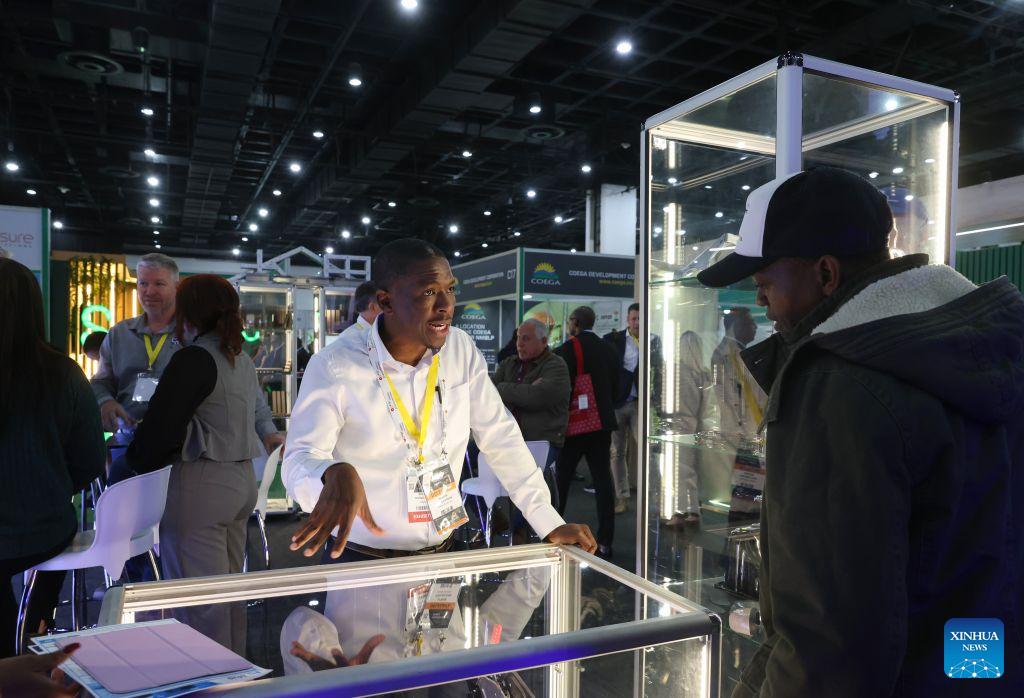
People communicate at the 2026 Manufacturing Indaba in Johannesburg, South Africa, July 14, 2026. Government officials, manufacturers, and investors have called for stronger investment, deeper regional integration, and closer public-private collaboration to accelerate Africa's industrialization at the 2026 Manufacturing Indaba in Johannesburg, South Africa's economic hub.(Xinhua/Chen Wei)