


TOKYO, July 30 (Xinhua) -- Japan on Thursday began a new round of discharge of nuclear-contaminated wastewater from the crippled Fukushima Daiichi Nuclear Power Plant into the sea, marking the 22nd such release since the controversial operation began in 2023.
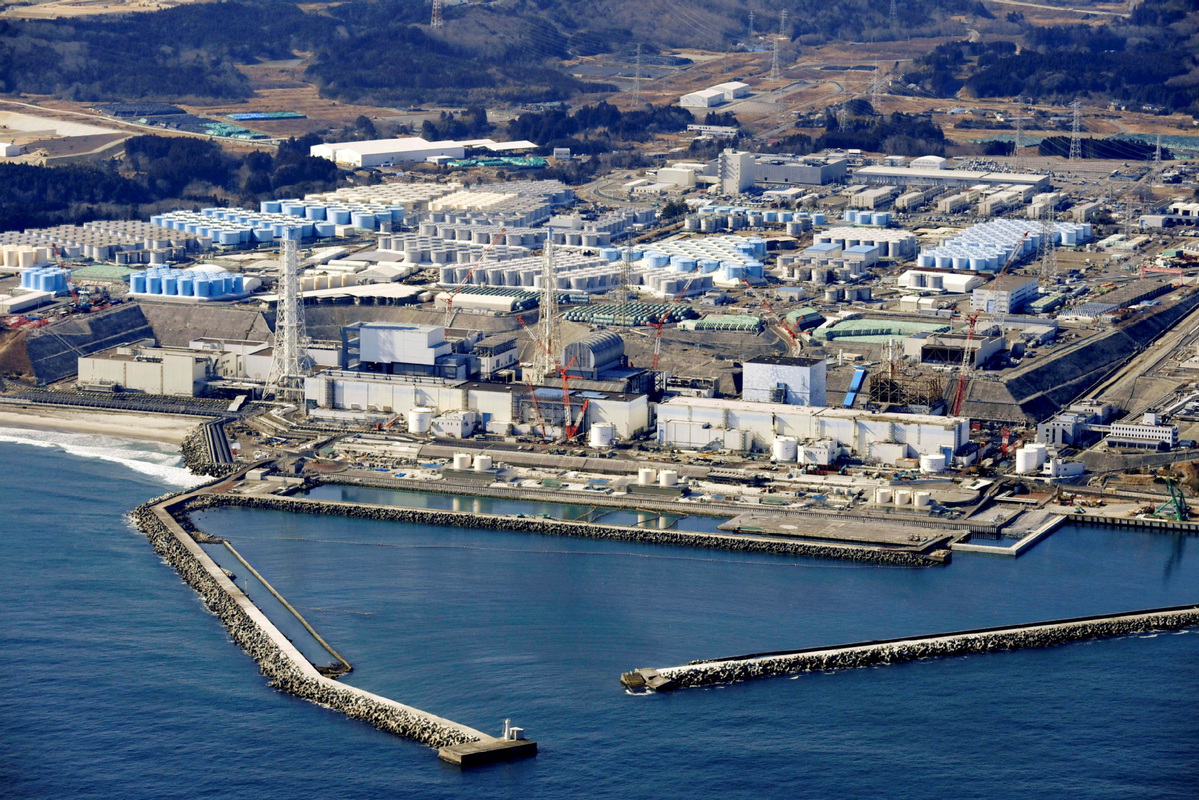
An aerial view shows the storage tanks for treated water at the tsunami-crippled Fukushima Daiichi nuclear power plant in Okuma town, Fukushima prefecture, Japan February 13, 2021, in this photo taken by Kyodo. (File photo via China Daily)
According to the plant's operator, Tokyo Electric Power Company Holdings (TEPCO), about 7,800 tonnes of wastewater containing approximately 1.3 trillion becquerels of radioactive tritium will be released into the ocean.
The latest discharge, also the fourth round of wastewater release for fiscal 2026, is scheduled to continue through Aug. 17.
In the fiscal year that began in April, TEPCO plans to release a total of about 62,400 tonnes of wastewater in eight rounds.
Struck by a 9-magnitude earthquake and the ensuing tsunami on March 11, 2011, the Fukushima nuclear plant suffered core meltdowns that released radiation, resulting in a level-7 nuclear accident, the highest on the International Nuclear and Radiological Event Scale.
Despite concerns and opposition from the international community, Japan unilaterally launched the ocean discharge of nuclear-contaminated water from the Fukushima Daiichi plant in August 2023. So far, TEPCO has completed 21 rounds of discharges, and around 165,000 tonnes of wastewater have been released into the sea.