


August 27 marks World Lake Day, a reminder of the vital role lakes play in sustaining freshwater resources, biodiversity and human livelihoods.
Lakes are more than bodies of water. They connect rivers, wetlands and wildlife, while supporting livelihoods and providing vital freshwater resources.
Around the world, lake conservation is increasingly shifting from tackling individual pollution problems to restoring entire ecosystems.
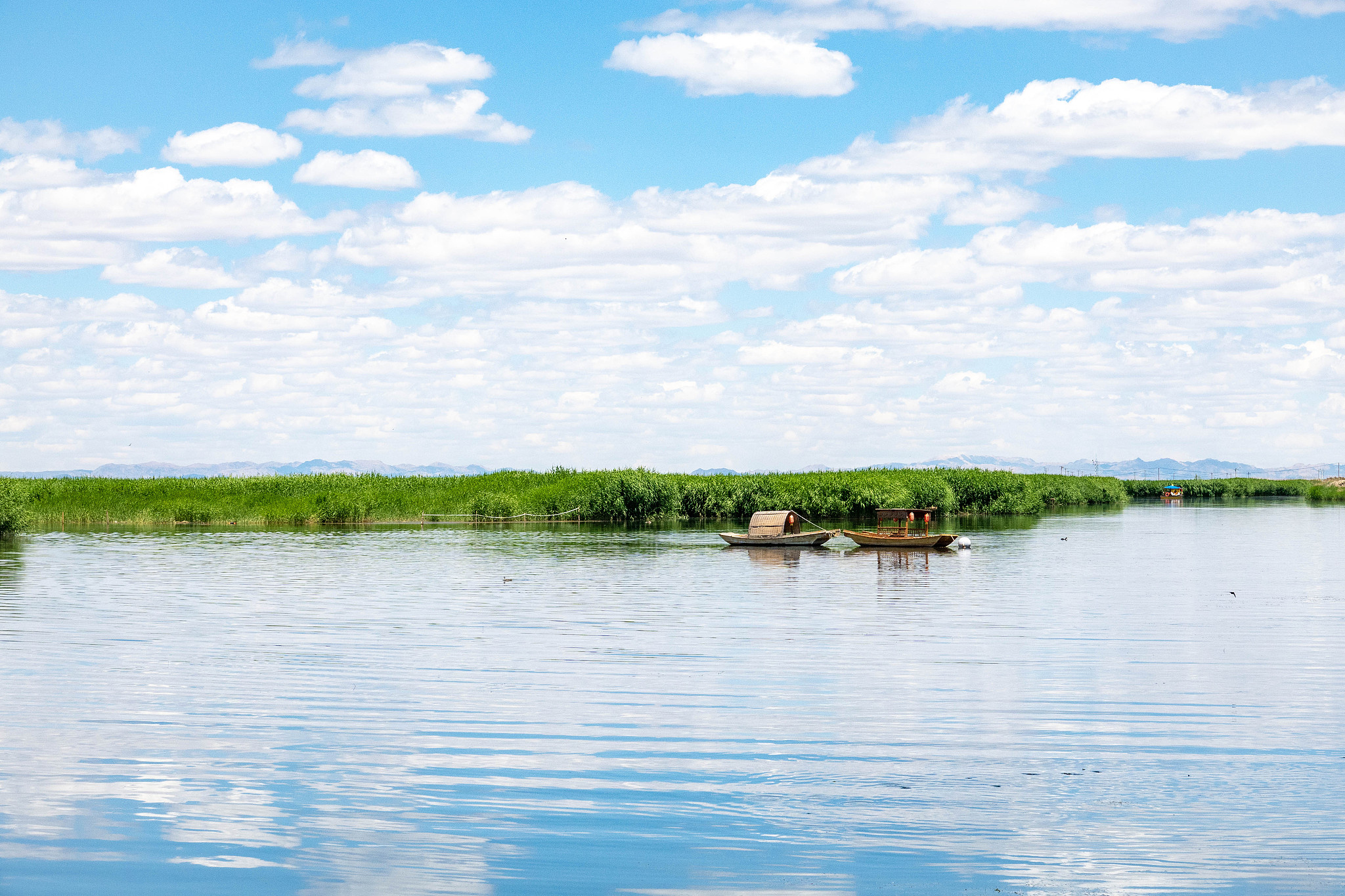
A view of the Ulan Suhai Lake, Inner Mongolia Autonomous Region, north China, June 6, 2026. /VCG
In north China's Inner Mongolia Autonomous Region, Ulan Suhai Lake, the largest freshwater lake in the Yellow River basin, has been improving year by year.
Local authorities have replenished the lake with water from the Yellow River while strictly controlling pollution sources. Artificial wetlands are also being used to improve water quality, with solar-powered aerators helping oxygenate water before it enters the lake.
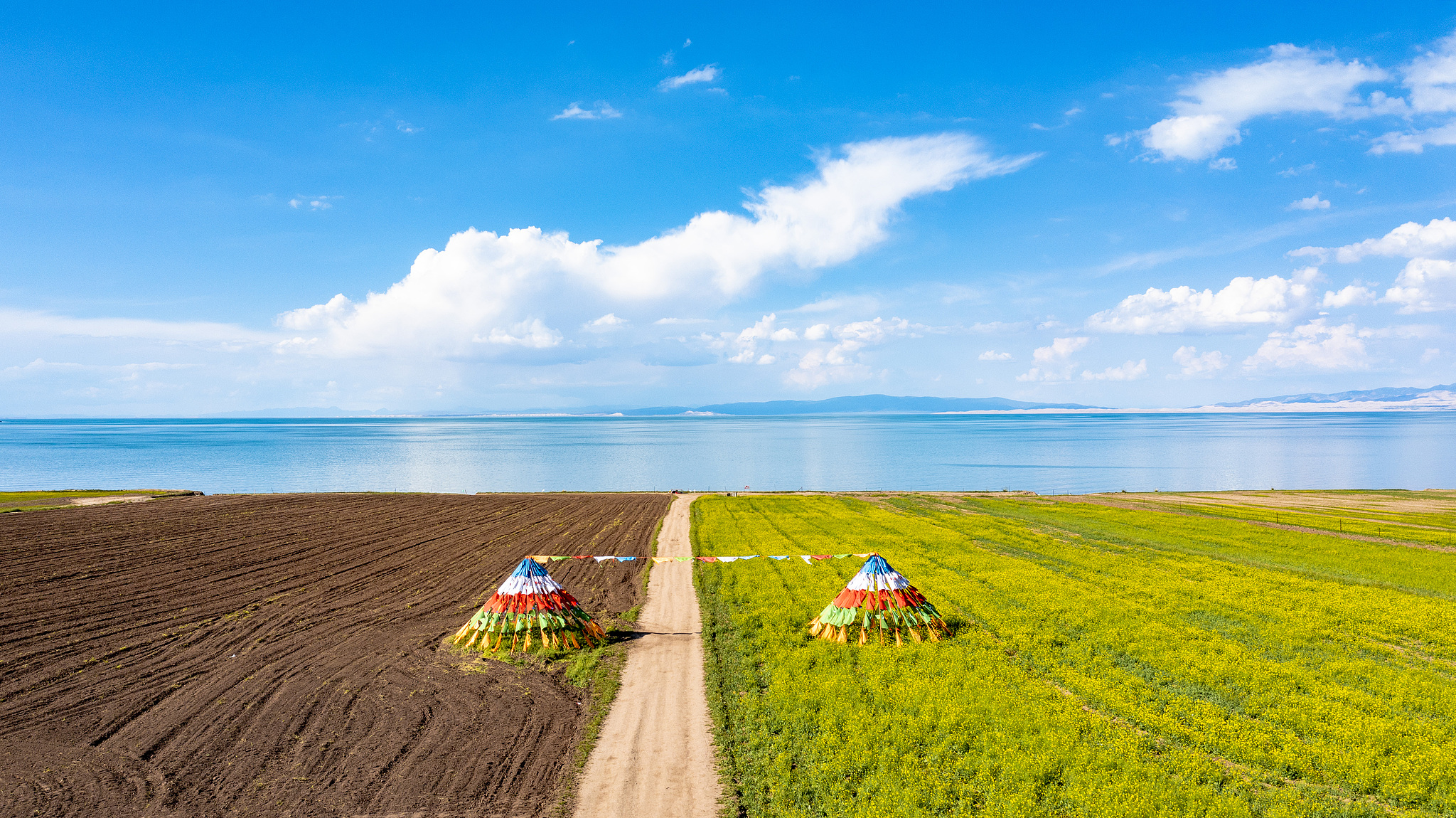
A view of Qinghai Lake in northwest China. /VCG
At Qinghai Lake in northwest China, biodiversity recovery has been closely linked to protecting the lake's endemic naked carp.
Since 2001, authorities have implemented six rounds of fishing bans. Meanwhile, artificial breeding and the construction of seven fish passages have helped restore the fish's migration routes. The naked carp population has rebounded more than 50-fold to 133,000 tonnes.
As the lake's ecosystem improves, the population of the endangered Przewalski's gazelle has risen from just over 300 in 2001 to more than 3,400, while black-necked cranes have increased from about 30 to more than 130.
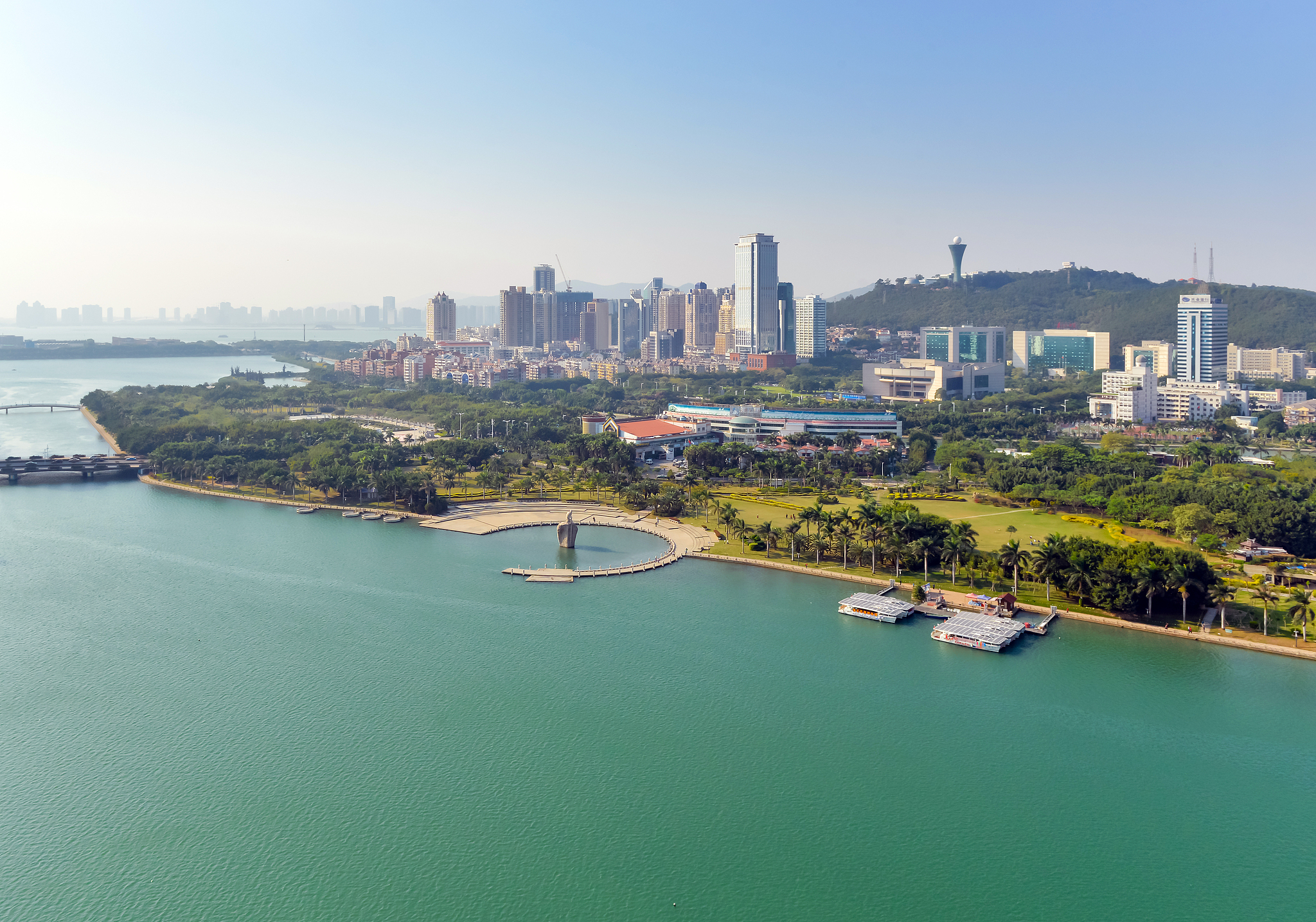
Yundang Lake in Xiamen, Fujian Province, southeast China. /VCG
Technology is adding a new dimension to lake conservation. In 2026, Chinese researchers created a 10-meter-resolution spatial distribution dataset of China's lakeshore wetlands, covering 2019-2023.
The dataset provides more detailed information to track wetland changes and support ecological assessment and management.
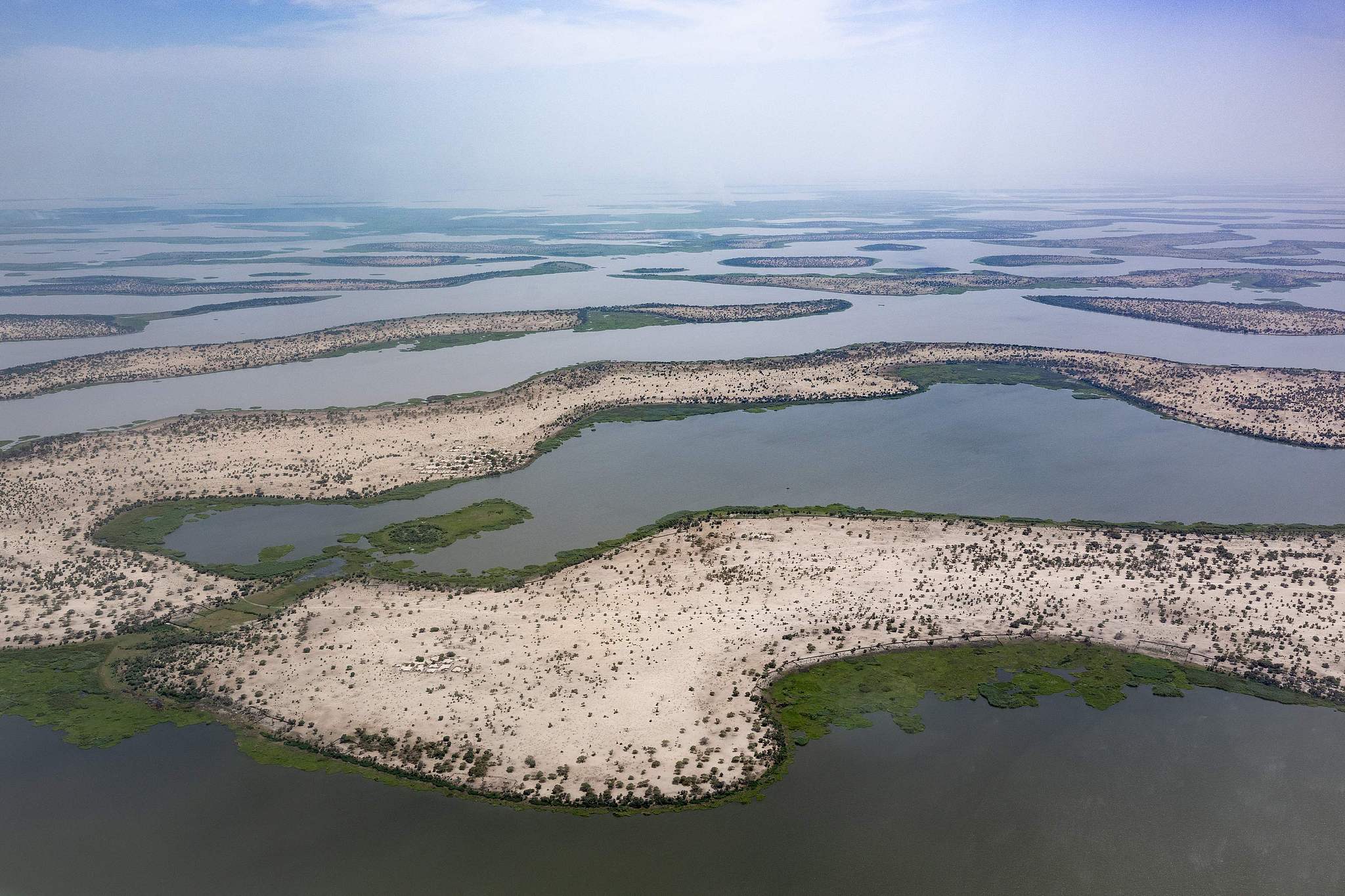
A view of Lake Chad in the Sahelian zone of west-central Africa, June 18, 2025. /VCG
The challenge is global. In Africa, a $10-million technical support project launched in 2026 aims to help restore the ecological and economic functions of Lake Chad and strengthen the resilience of communities around the basin.
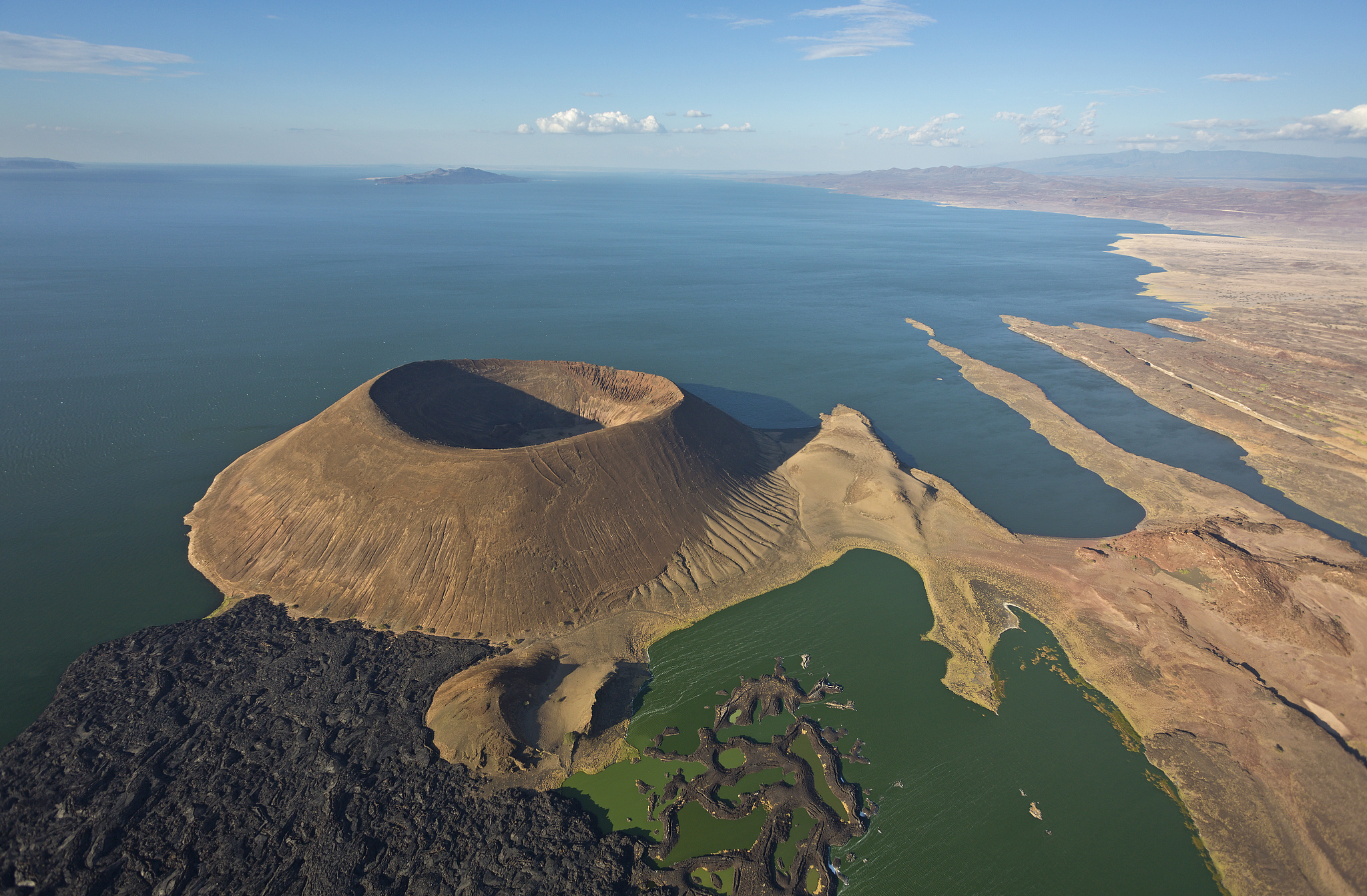
The Nabuyatom Crater at the southern end of Lake Turkana, Kenya. /VCG

Erhai Lake in Yunnan, southwest China. /VCG
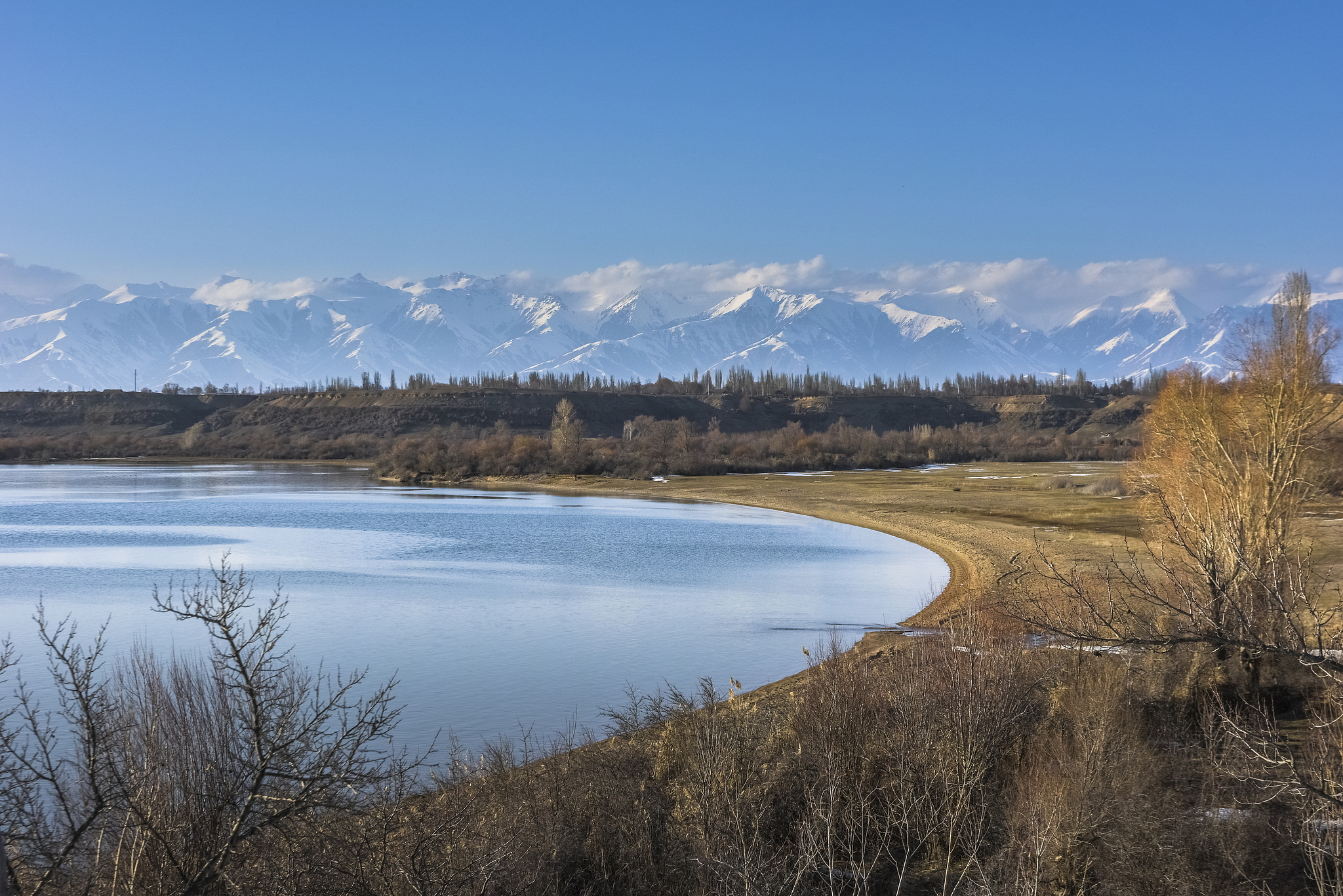
Issyk-Kul Lake in Kyrgyzstan. /VCG
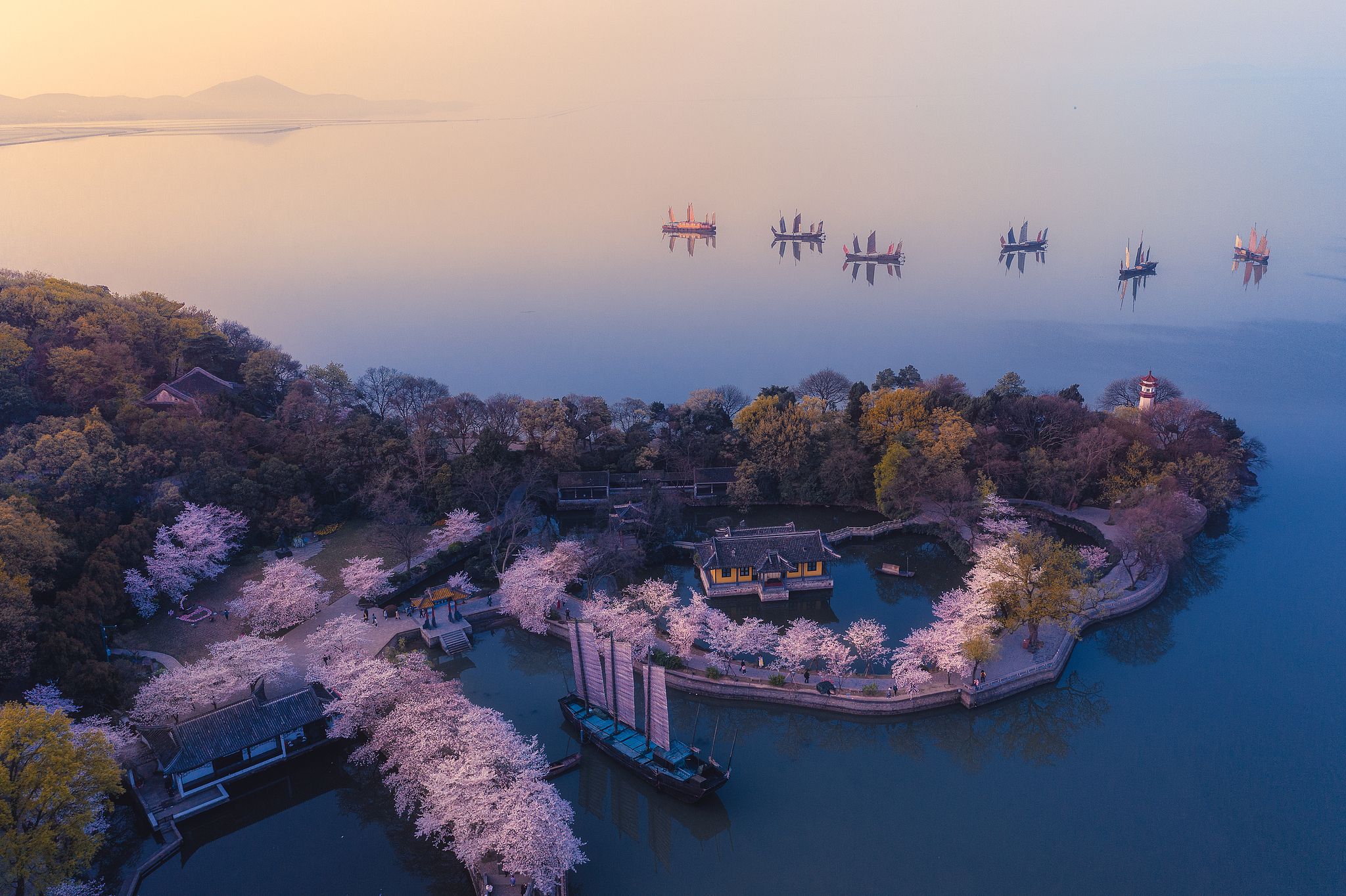
Cherry blossoms at Yuantouzhu at Taihu Lake, Wuxi, Jiangsu Province, east China. /VCG
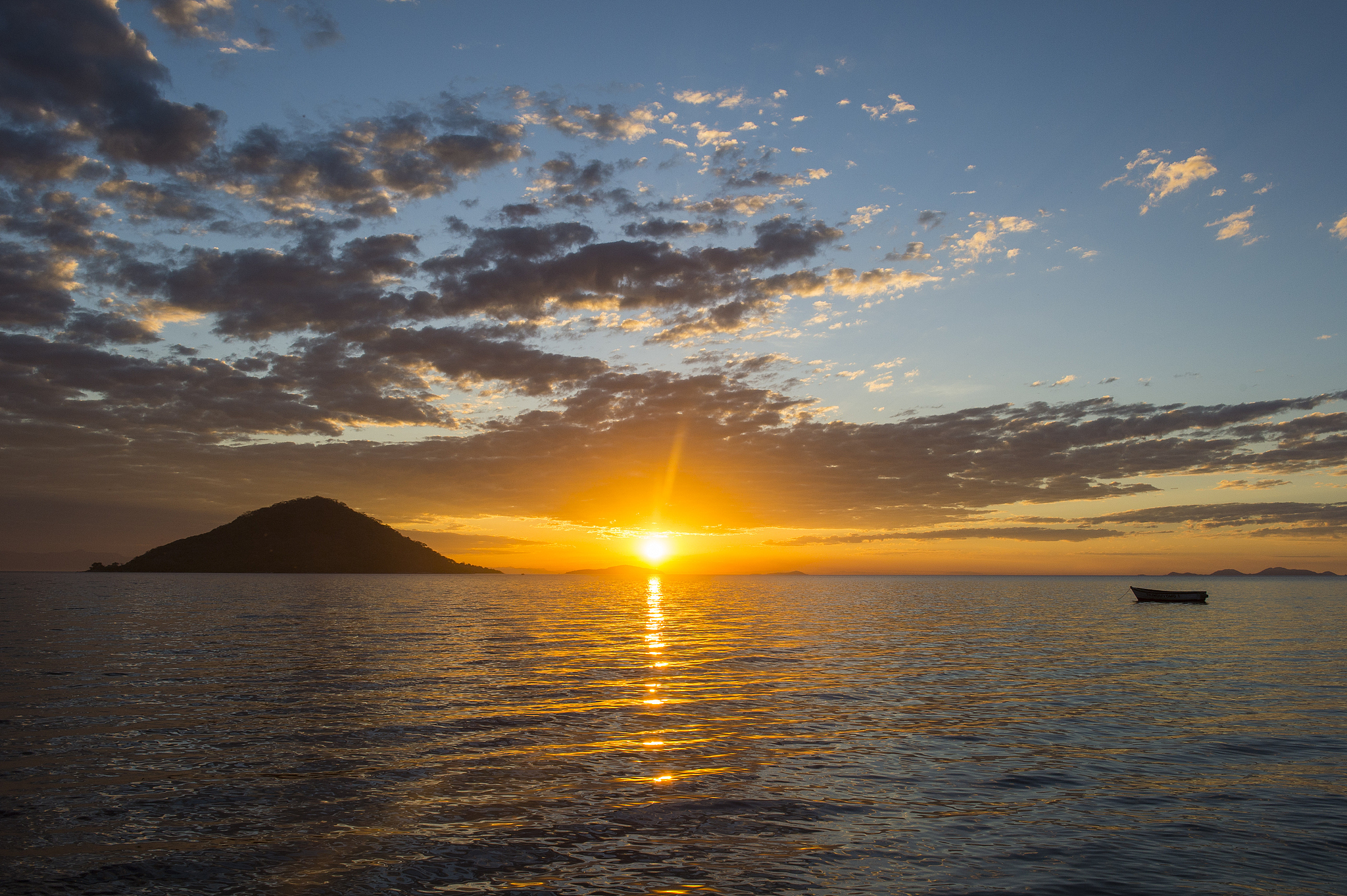
Sunset at Lake Malawi, the southernmost lake in the East African Rift system. /VCG
The message is clear: protecting a lake means looking beyond its water. Healthy lakes depend on healthy wetlands, wildlife, rivers and communities – and increasingly, on better data to understand how they are changing.
For more:
World Lake Day: Reflecting Earth's fragility and majesty