


For years, armed conflict in northeast Nigeria has left more than physical scars. It has displaced communities, disrupted livelihoods and placed enormous pressure on essential services, including healthcare.
In Maiduguri, the Physical Rehabilitation Centre (PRC) at the University of Maiduguri Teaching Hospital (UMTH) is one place where some of those affected are trying to rebuild their lives.
Zara Ammakolo, 29, knows the journey all too well.
Today, she works at the institution as a receptionist. But she first arrived there as someone in need of rehabilitation.
In 2019, her life changed after she sustained a gunshot injury.
"It was in the year 2019 and I sustained a gunshot injury where I had a comminuted fracture with vascular injury," she told CGTN Africa. "From there I was being managed at MST (Mobile Surgical Team), that is a state specialist hospital, where I was able to survive with my leg."
Although the limb was saved, she was left with a discrepancy in her leg and weakness in her right lower limb. For a time, she relied on two auxiliary crutches.
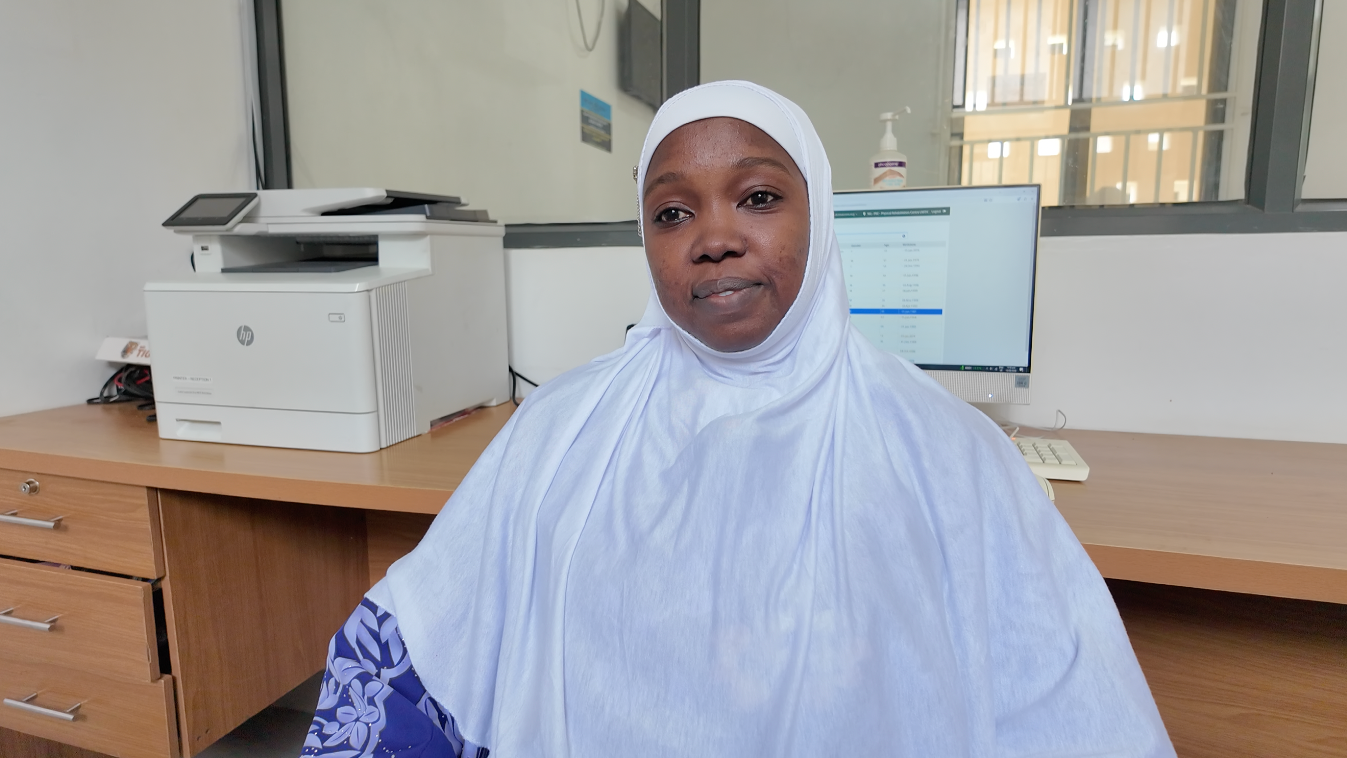
Zara Ammakolo speaks during an interview at the Physical Rehabilitation Centre (PRC) at the University of Maiduguri Teaching Hospital in Maiduguri, Nigeria, on August 13, 2026. (Photo: CGTN Africa)
In 2020, a multidisciplinary team assessed her. She was initially considered for a shoe raise, but it did not work because she was walking on her toes.
"They later reassessed me and they found out that I would be able to use the knee-ankle-foot orthosis," she said.
After that she was referred to an orthopedic hospital in Kano, where she received her first orthotic device.
"Life has changed positively from there because I was able to walk independently without using any physical auxiliary crutches," she said. "I was able to walk with my two legs."
The change also restored her confidence in what she could still achieve.
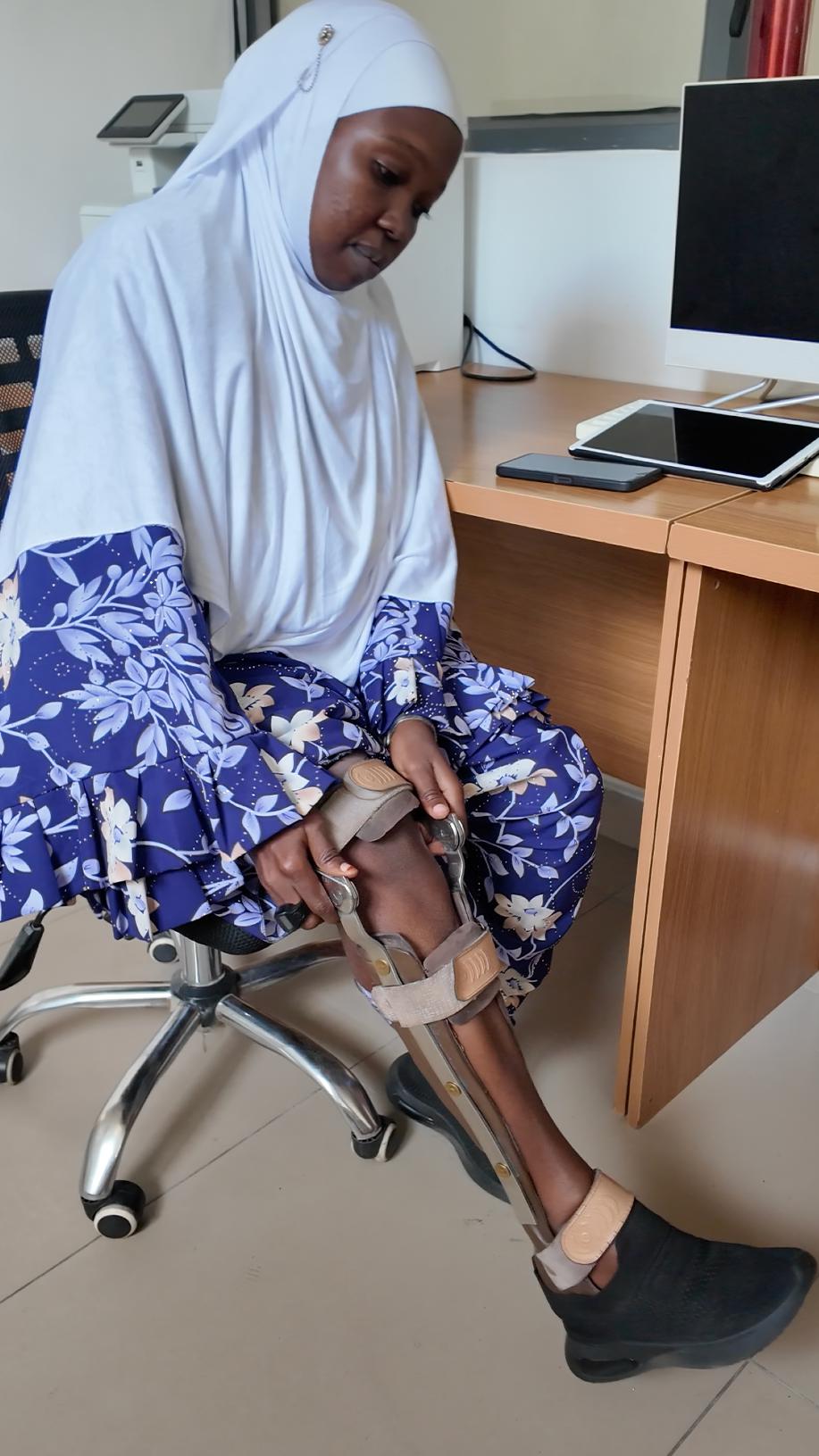
Zara Ammakolo fits her orthotic device at the Physical Rehabilitation Centre at the University of Maiduguri Teaching Hospital in Maiduguri, Nigeria, on August 13, 2026. (Photo: CGTN Africa)
"I feel confident, happy and I feel myself that, yes, at first I thought I lost the function of my limb, but after the orthotic device, I now realized that I could be able to move on with my life, activities, my ambition…and all my hopes…I could be able to achieve them."
The PRC in Maiduguri opened in November 2020. Before then, people needing orthotic and prosthetic services in the northeast often had to travel hundreds of kilometers to Kano for treatment.
The International Committee of the Red Cross (ICRC) says the Maiduguri center was established to bring these services closer to people in need.
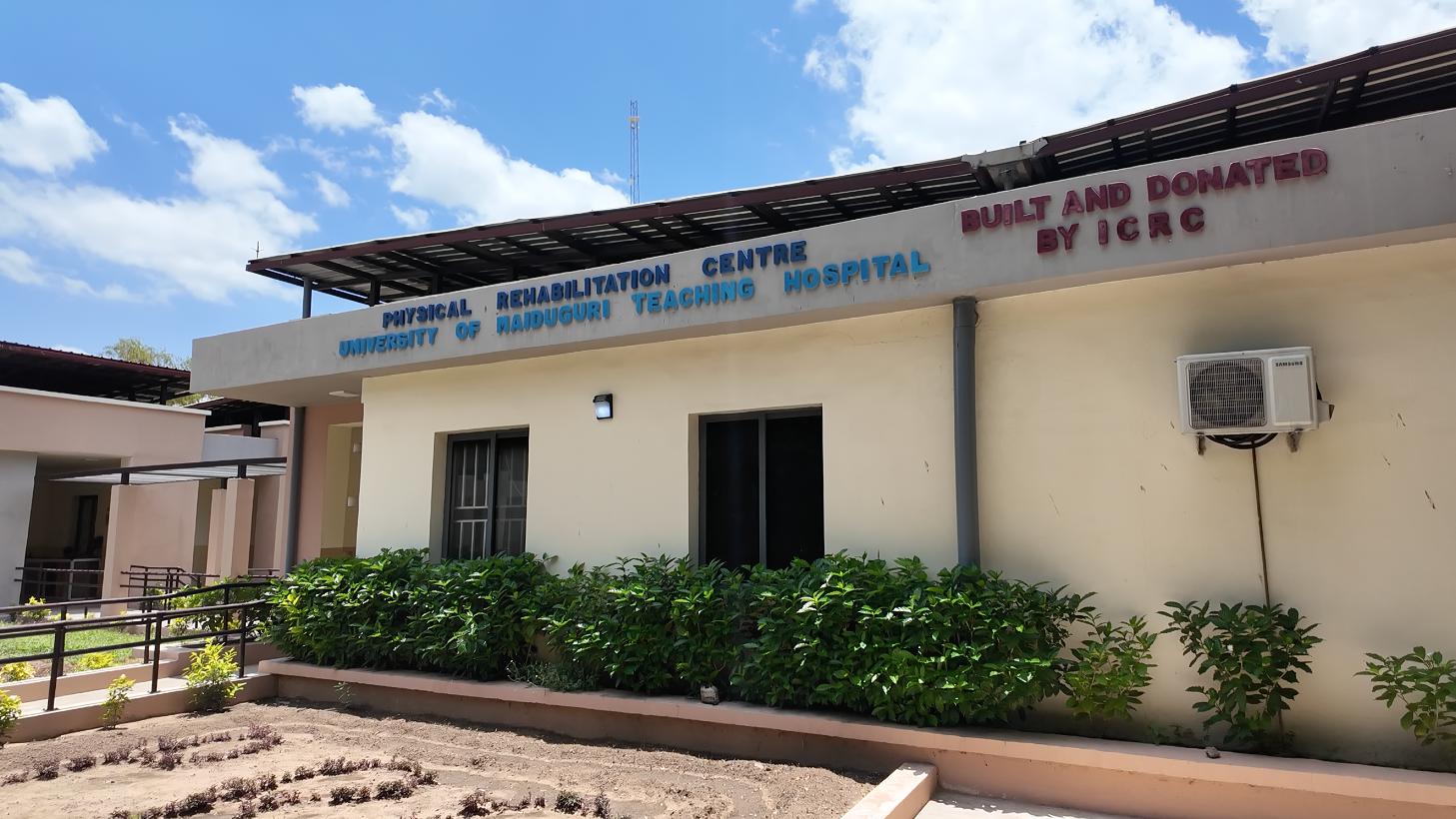
A view of the Physical Rehabilitation Centre at the University of Maiduguri Teaching Hospital in Maiduguri, Nigeria, on August 13, 2026. (Photo: CGTN Africa)
Her experience there eventually opened another door.
While receiving her first device, Zara developed a rapport with the rehabilitation team. She told an ICRC ortho-prosthetist that she wanted to work with her.
"I told her I was a woman who wanted a career, so if I could be able to get a job there, I could work."
Zara was told a center was being built in Maiduguri and that she could apply for a job once it opened.
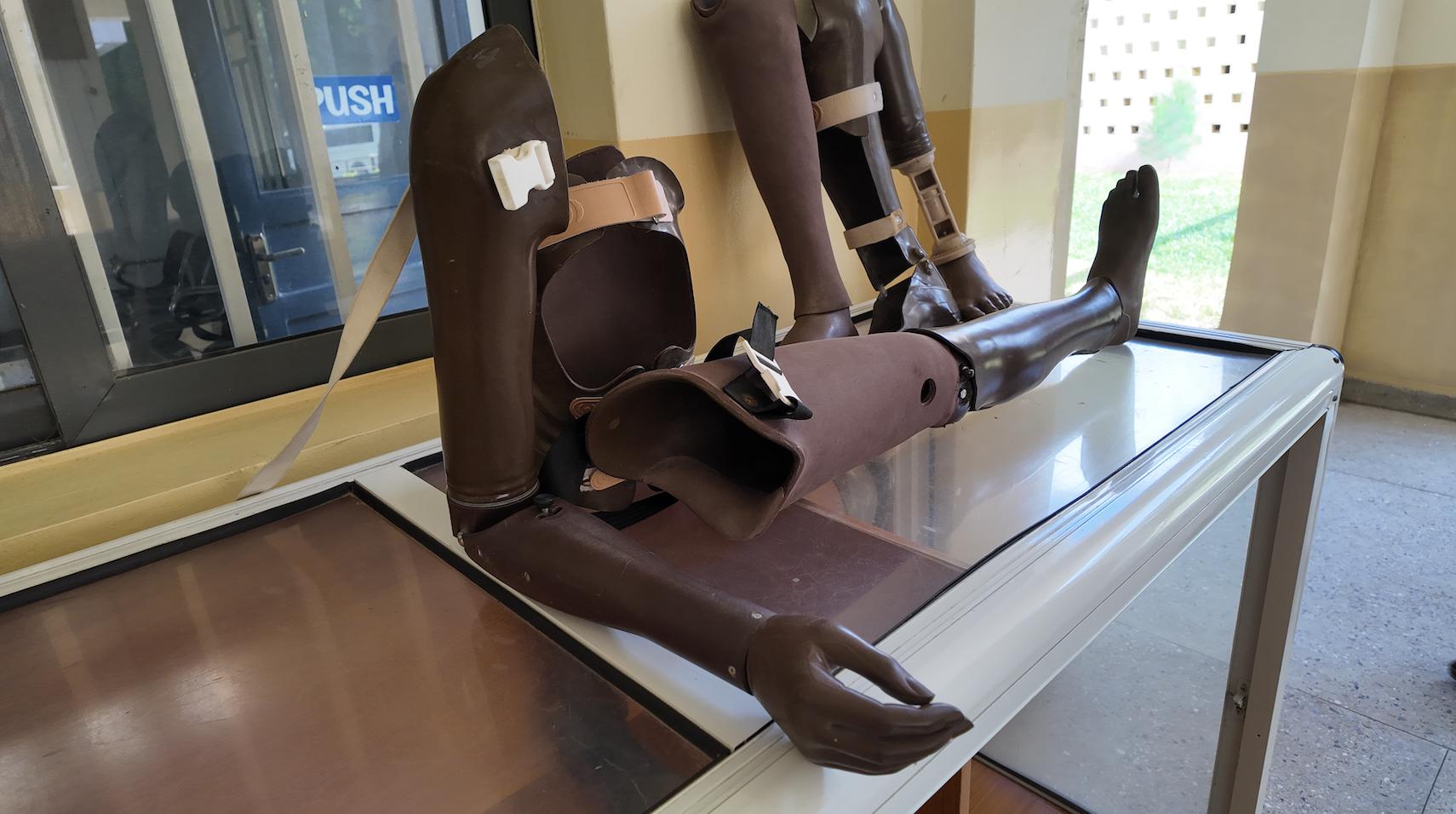
Samples of various prosthetic devices on display at the Physical Rehabilitation Centre at the University of Maiduguri Teaching Hospital in Maiduguri, Nigeria, on August 13, 2026. (Photo: CGTN Africa)
She did exactly that. She passed the interview and was eventually hired as a receptionist.
For Zara, the job has renewed her sense of purpose and the ability to support those closest to her.
"I feel excited, especially because before I was like a burden to my family, because I did not contribute, I did not bring anything to the table," she says.
"But, now, working here, I am being paid monthly. I support my family, my children, and even, sometimes, friends, with what I earn as a salary."
She is also now in her final year studying midwifery.
Her experience has become particularly valuable when new beneficiaries arrive at the center.
"Most of the service users that come here come with little confidence, and some with zero hope," she said.
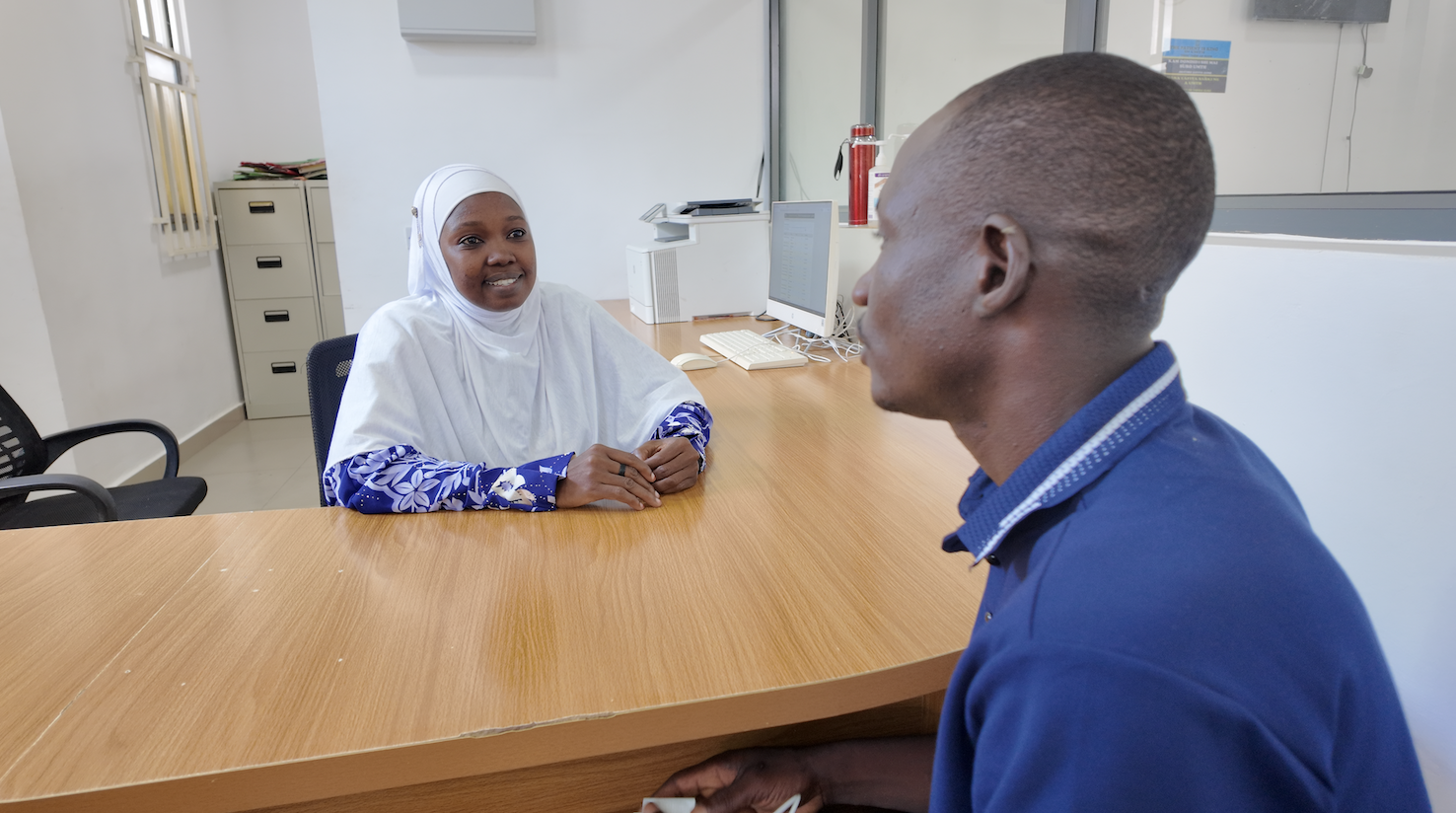
Zara Ammakolo interacts with a patient at the Physical Rehabilitation Centre (PRC) at the University of Maiduguri Teaching Hospital in Maiduguri, Nigeria, on August 13, 2026. (Photo: CGTN Africa)
Sometimes she goes out of her way and removes her orthotic device and demonstrates how she stands and walks with and without it.
"They will say maybe one day I will become like you," she said. "But I will say: You can become even better than me."
The PRC’s work extends beyond fitting devices. Dr. Abdulhqmeed Ardo Jabbo, the center's director, said its broader objective is to help people return to their communities and livelihoods.
"You can see some of our patients walking in the centre with crutches, some crawling walking into the centre and, at the end of the day, they will walk out with their limbs out of the centre comfortably and smiling," he said.
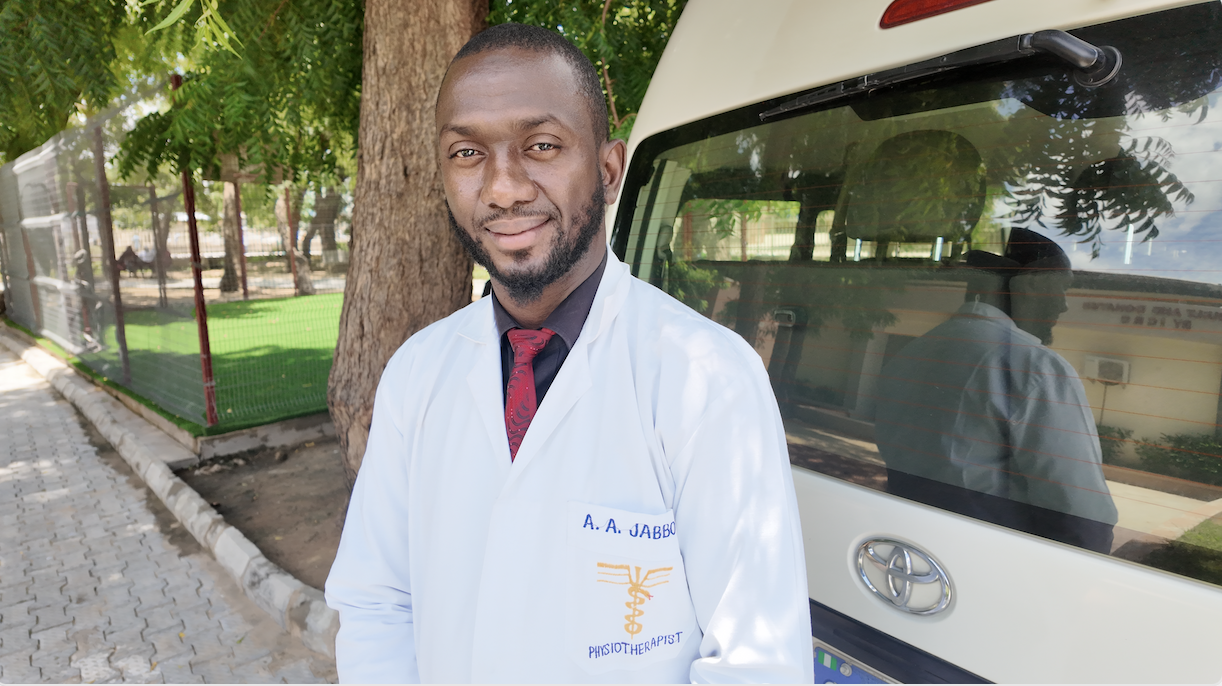
Dr. Abdulhqmeed Ardo Jabbo, director of the Physical Rehabilitation Centre (PRC) at the University of Maiduguri Teaching Hospital in Maiduguri, Nigeria, poses for a photo on August 13, 2026. (Photo: CGTN Africa)
"It is to show you that we have achieved our goal, which is to reintegrate them back into society."
The rehabilitation process can also include mental health support, livelihood assistance and training for people who may no longer be able to return to their previous occupations, Jabbo added.
For Zara, that reintegration has taken on a deeply personal significance.
"Inclusivity is what comes to my mind because we are persons with disabilities and in our community persons with disabilities are not being valued," she said.
"Now, I can say that inclusivity is at its peak, because as a person with disability, I am now integrated back into the society by being secured with this job."
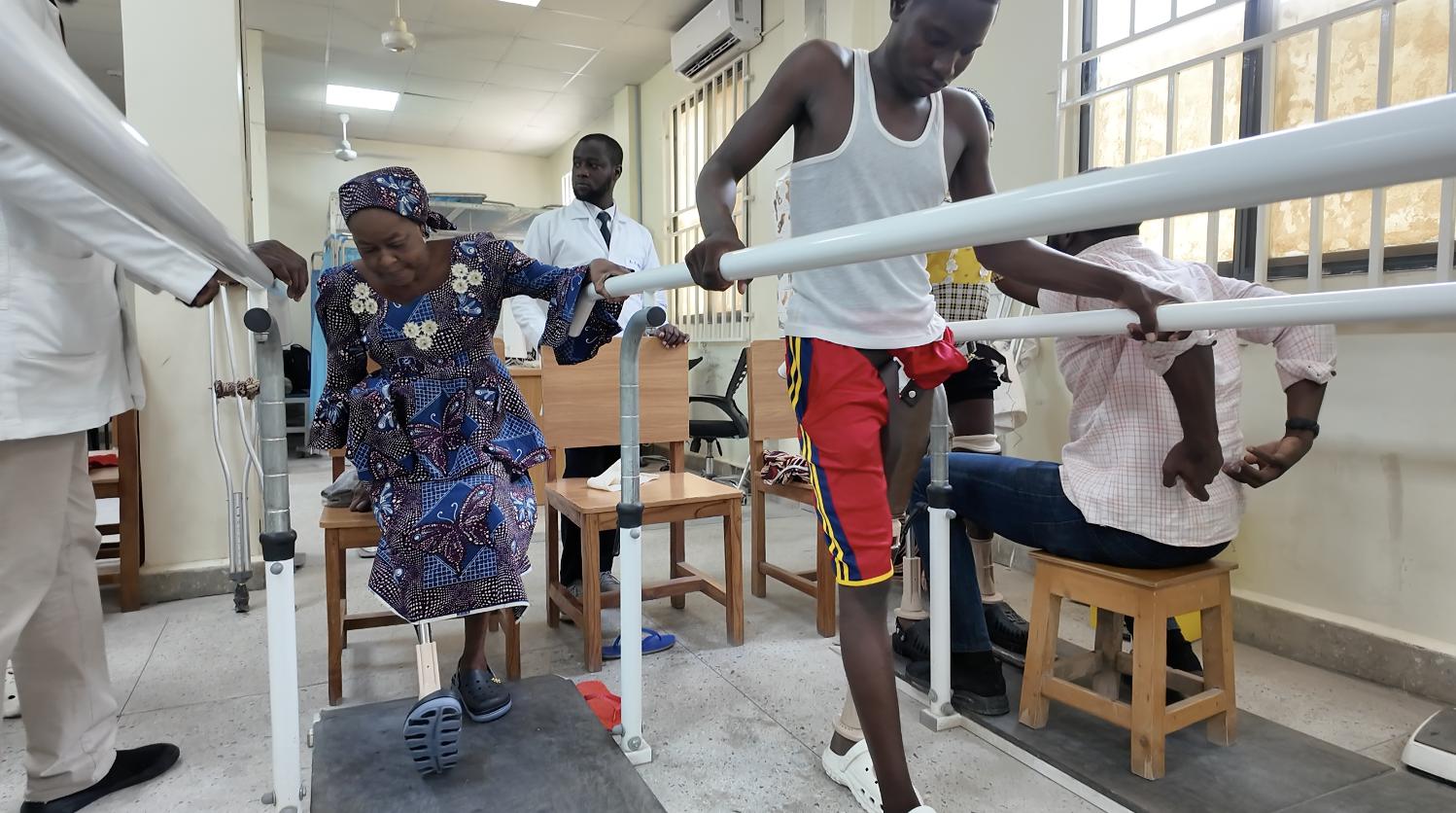
Patients at the rehabilitation room of the Physical Rehabilitation Centre at the University of Maiduguri Teaching Hospital in Maiduguri, Nigeria, on August 13, 2026. (Photo: CGTN Africa)
There are still challenges. Zara said her previous orthotic device broke twice, and she has sometimes worried that it could happen again while she is walking.
However, those concerns have not stopped her from pursuing her ambitions.
"I feel happy, independent and life continues," she said.
For those beginning the journey she has already travelled, her message is simple: "In every situation, never lose hope," she said. "If you lose hope, that is the end of your life."