


BERLIN, Sept. 3 (Xinhua) -- Germany's leading economic institutes raised their forecasts for the country's 2026 growth remarkably on Thursday, citing stronger exports and higher government spending. Meanwhile, they also warned structural weaknesses could still weigh on the recovery in Europe's largest economy.
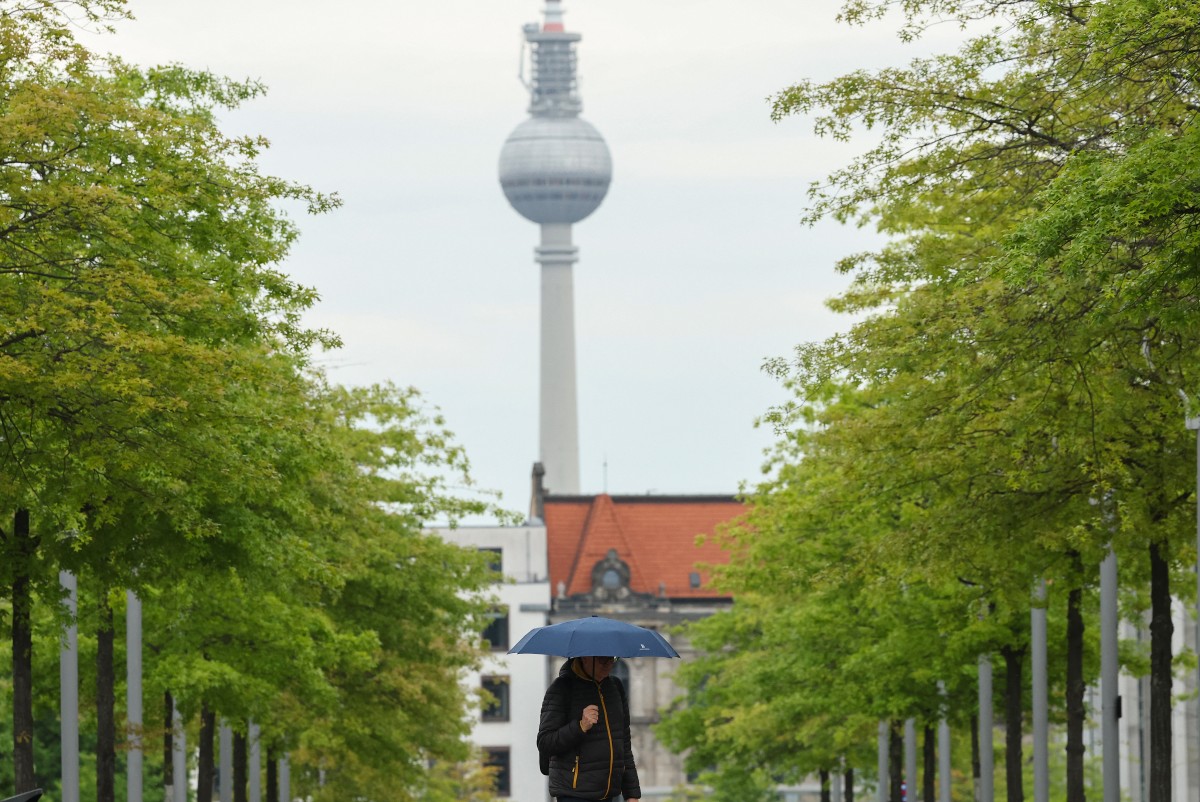
File photo: AFP
The Munich-based ifo Institute now expects gross domestic product to grow by 1.4 percent this year, up from its June forecast of 0.8 percent.
"The recovery of the German economy is continuing," ifo head of forecasts Timo Wollmershaeuser said, adding that stronger foreign demand and additional infrastructure and defense spending were offsetting the impact of higher energy prices and low river levels.
Ifo said prospects for Germany's crisis-hit industrial sector had brightened, with orders improving steadily since the start of the year and export expectations rising significantly. It also raised its 2027 growth forecast to 1.2 percent from 0.8 percent.
The Kiel Institute for the World Economy (IfW Kiel) and the Leibniz Institute for Economic Research (RWI) both forecast 1.3 percent growth for this year, sharply up from 0.8 percent in their previous forecasts.
Exports, which had declined for three consecutive years, are expected to rise by 3.8 percent this year, providing a key source of support for the recovery, IfW Kiel said.
RWI said the economy had recovered more strongly than expected in the first half of the year, driven mainly by robust exports and government spending.
Federal Statistical Office data showed the German economy expanded 0.4 percent quarter-on-quarter in the first quarter and 0.3 percent in the second.
But RWI cautioned that the recent strength in exports was partly due to temporary factors such as a rebound in demand after the initial hit from U.S. tariffs, and was unlikely to signal a lasting improvement in Germany's competitiveness. It expects export growth to slow again in the second half of the year.
The institutes broadly cautioned that despite the improved outlook, Germany's economic recovery remained fragile.
Energy prices remain highly exposed to the volatile situation in the Middle East. At the same time, elevated inflation is expected to further weigh on already weak private consumption, ifo said, forecasting inflation at 2.8 percent this year, up from 2.2 percent in 2025.
RWI also pointed to continued uncertainty over economic policy, which could dampen companies' willingness to invest and weigh on growth.