


When marine research becomes a political weapon in Taiwan
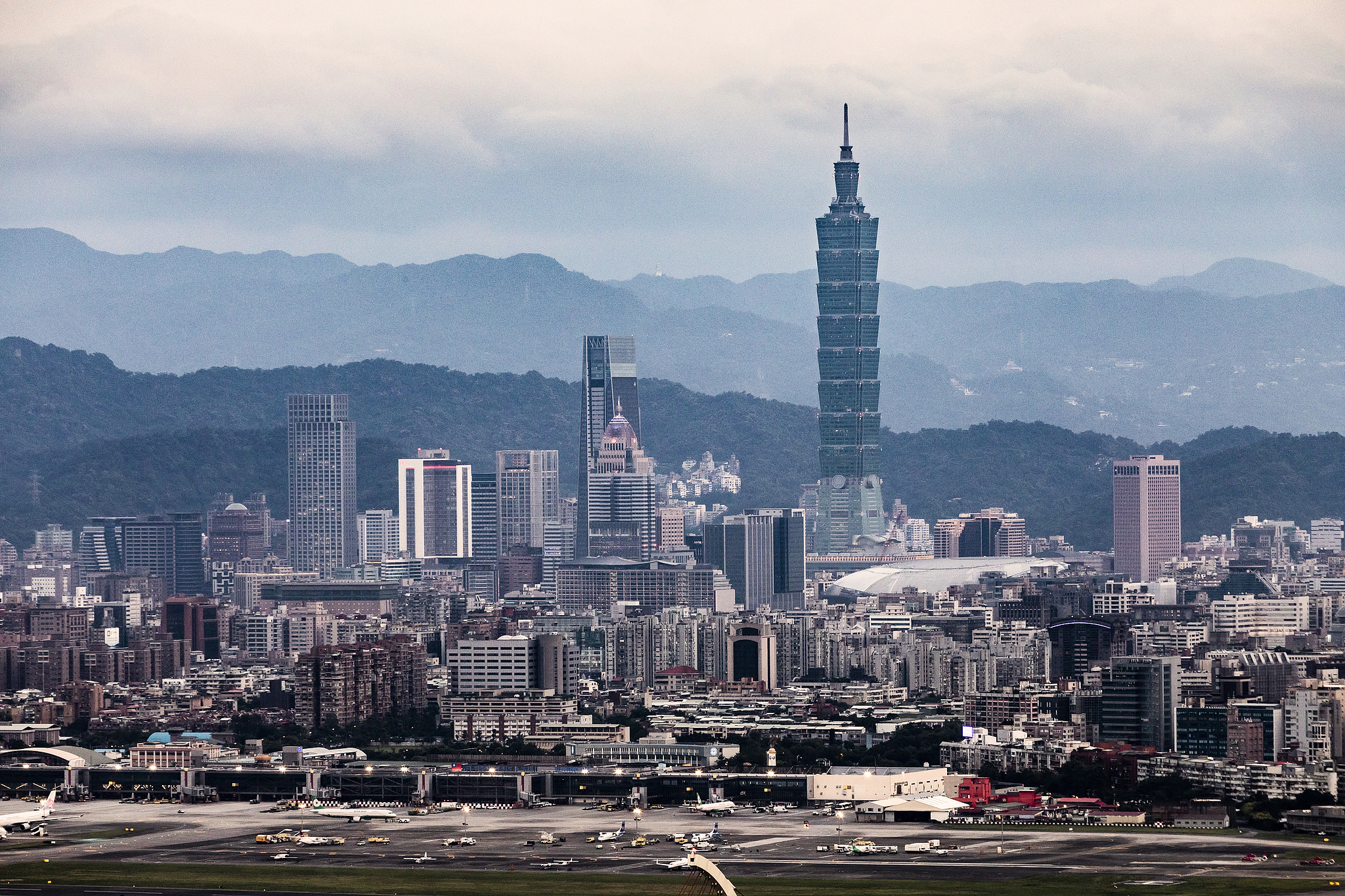
A view of Taipei's cityscape, Taiwan, China, May 24, 2019. (Photo: CFP)
The Democratic Progressive Party (DPP) authorities in Taiwan region have once again seized on routine activities by the Chinese mainland in the waters east of Taiwan to amplify what they portray as a growing "mainland threat." They have accused the mainland of using law enforcement as a pretext for expansion, engaging in "political operations," and "cognitive warfare." At the same time, they are pushing for a larger defense budget and intensifying anti-China rhetoric ahead of local elections.
The pattern is familiar: Portray ordinary activities as threats, use the resulting anxiety to justify higher military spending, and then turn the narrative into political capital.
The recent controversy over mainland activities in the eastern waters is a case in point. Since the beginning of 2026, the mainland has conducted a series of marine surveys in the area. From June 16 to 18, the mainland’s Ministry of Natural Resources organized a marine environmental survey to collect data on environmental DNA, birds, whales and dolphins, marine chemistry, hydrology and meteorology. From July 17 to 23, the 3,000-ton Blue Ocean 201, a professional fisheries research vessel, conducted a fisheries resources survey using sonar, seawater sampling equipment and environmental DNA analyzers. From August 10 to 31, researchers from the Second Institute of Oceanography under the ministry carried out a comprehensive marine geophysical survey, collecting data on seabed topography, sedimentary layers and deep geological structures.
These are scientific operations, not military exercises. There are no missiles or artillery involved. Such research serves clear public-interest purposes, including disaster prevention, marine ecological protection, fisheries management, climate forecasting and the broader governance of marine resources. A systematic assessment of fish populations and fishing grounds, for example, can support sustainable fisheries development while also providing useful scientific information for the marine industries on both sides of the Taiwan Strait.
Marine research is, by its very nature, an essential means of understanding and responsibly managing the ocean. It should not be interpreted as an act of provocation simply because it takes place in a politically sensitive area.
The DPP authorities, however, have deliberately stripped these activities of their scientific context and recast them as evidence of military or political intentions. This appears to serve two purposes: creating a political environment conducive to expanding defense spending and mobilizing anti-China sentiment ahead of local elections.
The scale of Taiwan's proposed military spending makes the first motive particularly significant. Taiwan's 2026 defense budget reached NT$949.5 billion (around $30 billion), up 22.9% from the previous year. The proposed 2027 defense budget would exceed NT$1 trillion ($31.6 billion) for the first time, accounting for roughly 29% of the island's overall budget. Additional special allocations have also been proposed for unmanned systems and other defense-related programs.
This surge in military spending comes even as many people in Taiwan face mounting economic pressures. The island's government is taking on substantial debt, while concerns over pension finances, wages, household debt and housing affordability continue to weigh on ordinary families. Against this backdrop, the steady expansion of military expenditure inevitably raises questions about whether public resources are being allocated according to the priorities of Taiwan's people.

A street scene in Taipei, Taiwan, China, May 26, 2019. (Photo: CFP)
This is where the political value of the "mainland threat" narrative becomes apparent. By portraying routine mainland activities as dangerous, the DPP authorities can present larger defense budgets as an urgent necessity rather than a political choice. Fear becomes a justification for spending.
The same logic applies to elections. With the November local elections widely viewed as an important political test ahead of the 2028 Taiwan leadership election, the DPP has strong incentives to consolidate its core support by reviving its familiar "anti-China" message. The party currently controls only a minority of Taiwan's local governments and faces difficult contests in several municipalities. Amid dissatisfaction over domestic governance, invoking an external threat can be an effective way to rally its political base and appeal to voters concerned about cross-Strait security.
But turning scientific research into a political weapon carries a cost that extends beyond any single election or budget bill, because it encourages the public to view every interaction across the Strait through the lens of confrontation, making cooperation and dialogue more difficult while increasing the risk of miscalculation.
Politicizing routine marine surveys may serve short-term political interests but it will not make Taiwan safer. On the contrary, turning every ordinary activity into evidence of a looming confrontation risks pushing the island toward precisely the instability that its people have the most reason to avoid.