


German factory output falls 1.1 percent in July
Germany factory output fell more than expected in July, official data showed Monday, underscoring the economy's fragility as Chancellor Friedrich Merz comes under mounting pressure to boost growth.
Industrial production in Europe's biggest economy dropped 1.1 percent, federal statistics agency Destatis said, steeper than the 0.5 percent forecast in a poll of analysts by the financial platform FactSet.
A production pause at a car plant likely pushed the figure down, Destatis said, without identifying the company.
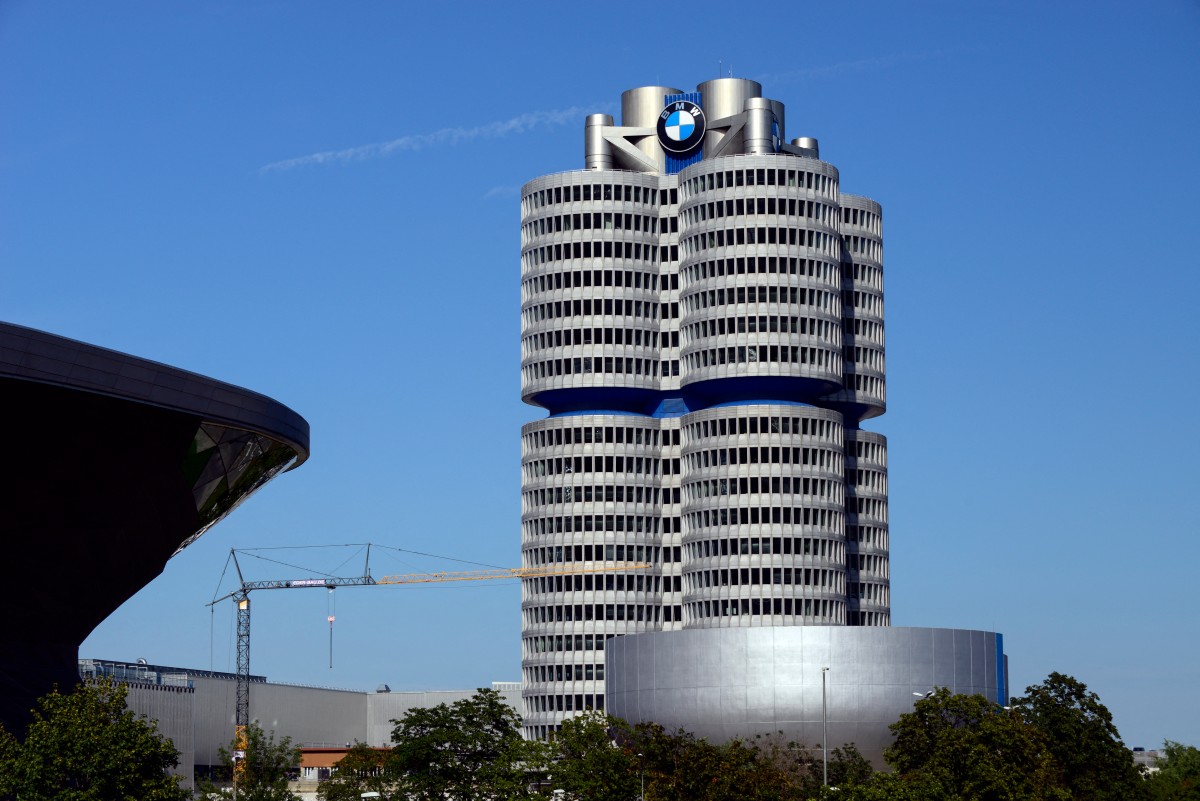
This photo taken on July 16, 2026 in Munich, southern Germany, shows the so-called BMW tower, the global corporate headquarters of German carmaker BMW. (File photo: AFP)
But BMW said in June that it would spend a little over five weeks overhauling its plant in the eastern city of Leipzig.
Destatis also said industrial production in June stagnated, revising down a preliminary estimate of a 0.2 percent rise.
The disappointing data comes after some brighter-than-expected indicators in recent weeks had boosted hopes the Germany economy was turning a corner after following years of stagnation.
"This morning's industrial production data is a good reminder of how fragile the cyclical recovery of the German economy is," ING bank analyst Carsten Brzeski said.
"The German economy is not out of the woods yet," he added.
Suffering from weak demand, US tariffs and fierce Chinese competition in key export markets, Germany's economy has barely grown since a burst of pent-up pandemic demand at the end of 2022.
Merz has made getting the economy back on its feet a priority, vowing to borrow and spend hundreds of billions or euros in the coming years, especially on infrastructure and defence.
But progress has been slow, and economists warn that money alone will do little without potentially painful reforms to the welfare system and other areas.