


Iran-US tensions rise after biggest shipping attacks of war
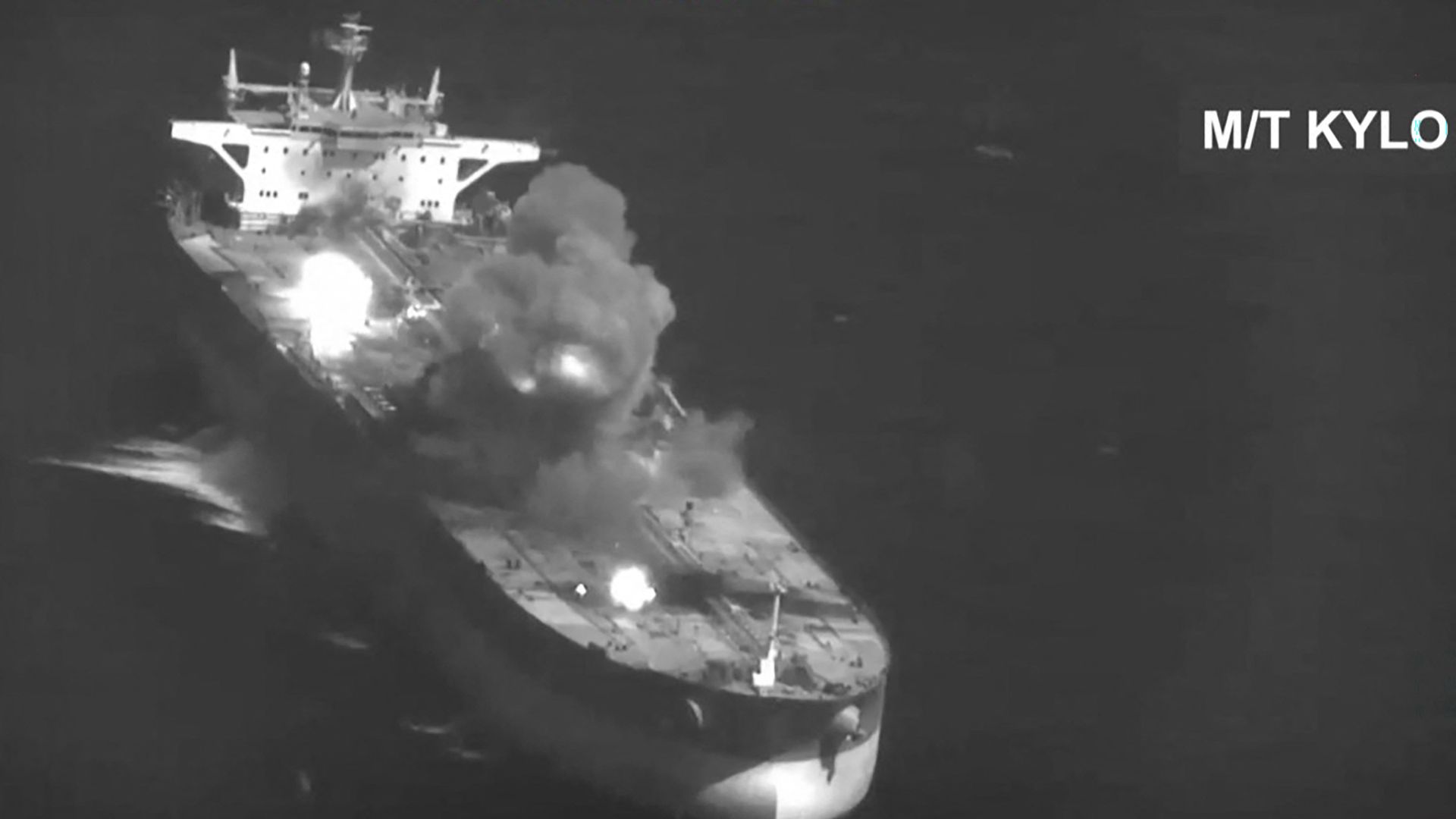
CENTCOM has said that they have destroyed three oil linked to Iran. (Photo: US Central Command/ AFP)
Iran said on Wednesday it had attacked 10 ships near the Strait of Hormuz after the US sank five Iranian oil tankers, in the biggest declared wave of tit-for-tat attacks on shipping by both sides since the start of the six-month-old war.
The attacks in and around the vital waterway sent the price of oil surging, with the international Brent crude LCOc1 benchmark breaching $100 a barrel for the first time since July. The politically sensitive average retail price of diesel fuel in the United States hit a fresh all-time high above $5.94 a gallon.
Iran also said it had fired ballistic missiles at a base used by US forces in Jordan. Attacks by both sides since the end of August have shattered a month of relative calm, with the US and Iran hitting military, shipping and energy assets.
Recent days have also seen an escalation in fighting between Saudi Arabia and the Houthis in Yemen, a second theatre of war that threatens global energy supplies from the Middle East.
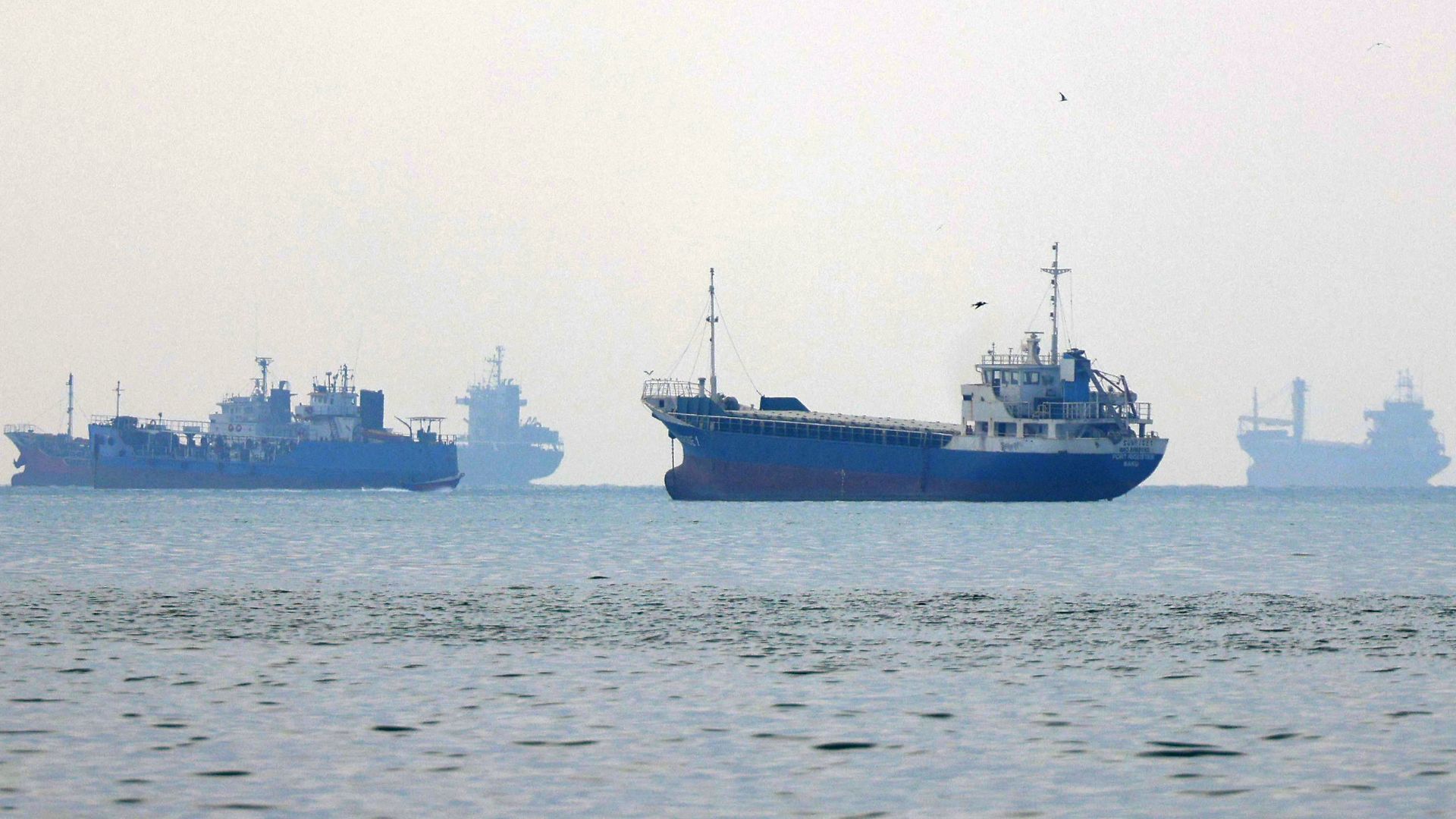
Iran has reported that it attacked 10 ships near the Strait of Hormuz. (Photo: Atta Kenare/ AFP)
Tit-for-tat strikes between Iran and the US
The US has said that they destroyed five Iranian oil tankers overnight, releasing video of ships ablaze before they sank. The US military's Central Command called its attacks a response to Iran's Islamic Revolutionary Guard Corps (IRGC) targeting a US Navy warship twice with ballistic missiles over the previous two days. No Americans were harmed, the US said.
Washington has announced a new policy of attacking Iranian tankers in retaliation for fire that threatens its warships. Iran says it is imposing a wider off-limits zone around the strait and using new, more capable missiles to attack US ships.
"Iran continues to try to hit US naval ships, and for every time they do that or try to do that, they're going to lose tankers," US Secretary of State Marco Rubio told reporters during a visit to Colombia.
The IRGC said on Wednesday it had responded with a ballistic missile attack on a base used by US forces near Al Azraq in eastern Jordan, and had fired on two US vessels and eight oil tankers attempting to cross an area of the Strait of Hormuz that it has declared off limits.
The US Central Command dismissed reports that Iranian forces had hit its warships operating in the Middle East and said that it was "completely FALSE" and all attempted attacks had failed, in a post on social media platform X.
The British maritime security agency UKMTO said it had received reports of several merchant ships struck by disabling fire in the northern Gulf and Gulf of Oman, on either side of the strait. It was not immediately able to confirm casualties or environmental impact.
The agency also said a vessel was reported listing, possibly indicating it had taken on water after being struck by a projectile off Port Rashid, in the United Arab Emirates.
Iran has also threatened oil tankers in Kuwaiti and Bahraini ports, according to a statement carried by state media. A maritime security source reported a liquefied natural gas tanker was damaged in the Emirati port of Khor Fakkan.
Iran has largely choked off transit through the strait that carried a fifth of global oil before the war.
Washington has responded with a blockade of Iranian ports, and says it has been able to guide many tankers through the strait, although independent monitors say the extent to which oil is escaping has become increasingly difficult to assess. Preliminary data showed just six ships crossing with transponders over the last 24 hours.
Iran said that its missiles fired at Jordan inflicted heavy damage. Jordan said its air defences had intercepted 18 of the 20 Iranian missiles, with two falling in unpopulated areas and no casualties. A US official said Iran’s strikes in Jordan were ineffective and all American troops were accounted for.
Iran has targeted US bases in the region throughout the war and killed at least two US military personnel in a strike on Jordan in July.
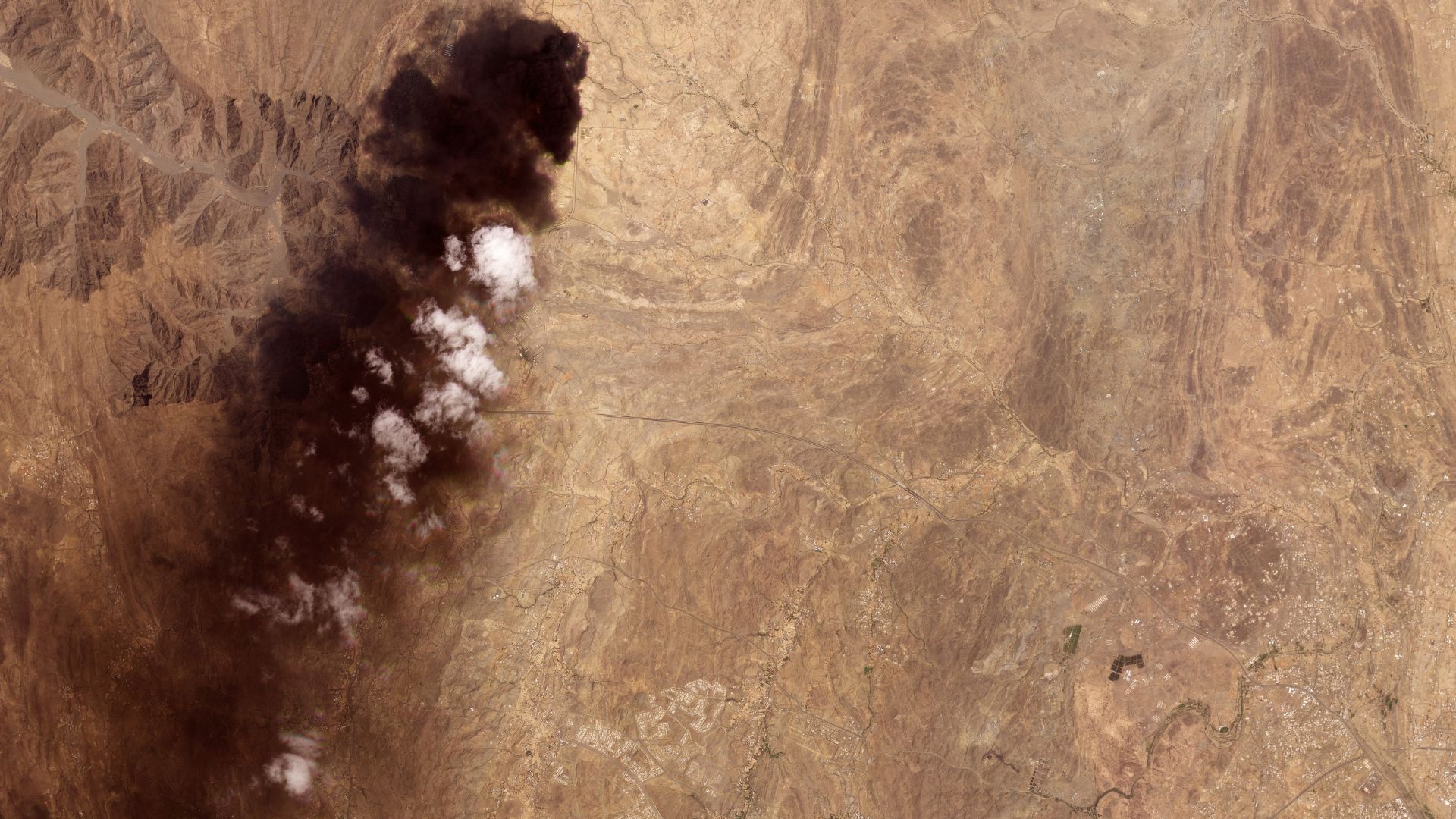
Smoke billows from an Aramco oil depot near the Saudi city of Abha following a Houthi attack. (Photo: 2026 Planet Labs PBC Handout/AFP)
Houthi attacks on Saudi Arabia continue to escalate
Escalating combat between Saudi Arabia and the Houthis that control most populated parts of Yemen has created additional uncertainty for energy markets. On Tuesday, the Houthi airstrikes hit four cities in Saudi Arabia, causing huge fires at oil installations that were visible from space. Saudi authorities said 73 people were wounded.
Saudi Arabia issued an alert warning of a potential threat on Wednesday to Khamis Mushait, one of the cities struck the previous day, but later lifted the alert without providing details.
Fighting in Yemen has escalated in recent days, with a Saudi-backed government based in the south launching a multi-pronged assault on Houthi-controlled areas. The Houthis say large numbers of people have been killed in Saudi airstrikes.
The group has extended the disruption of shipping from the Gulf to the other side of the Arabian Peninsula, at the entrance to the Red Sea.