


BRICS tech horizons: New paths for energy cooperation
As countries seek to expand cleaner energy while maintaining reliable and affordable power supplies, energy security, access and technological innovation are increasingly linked.
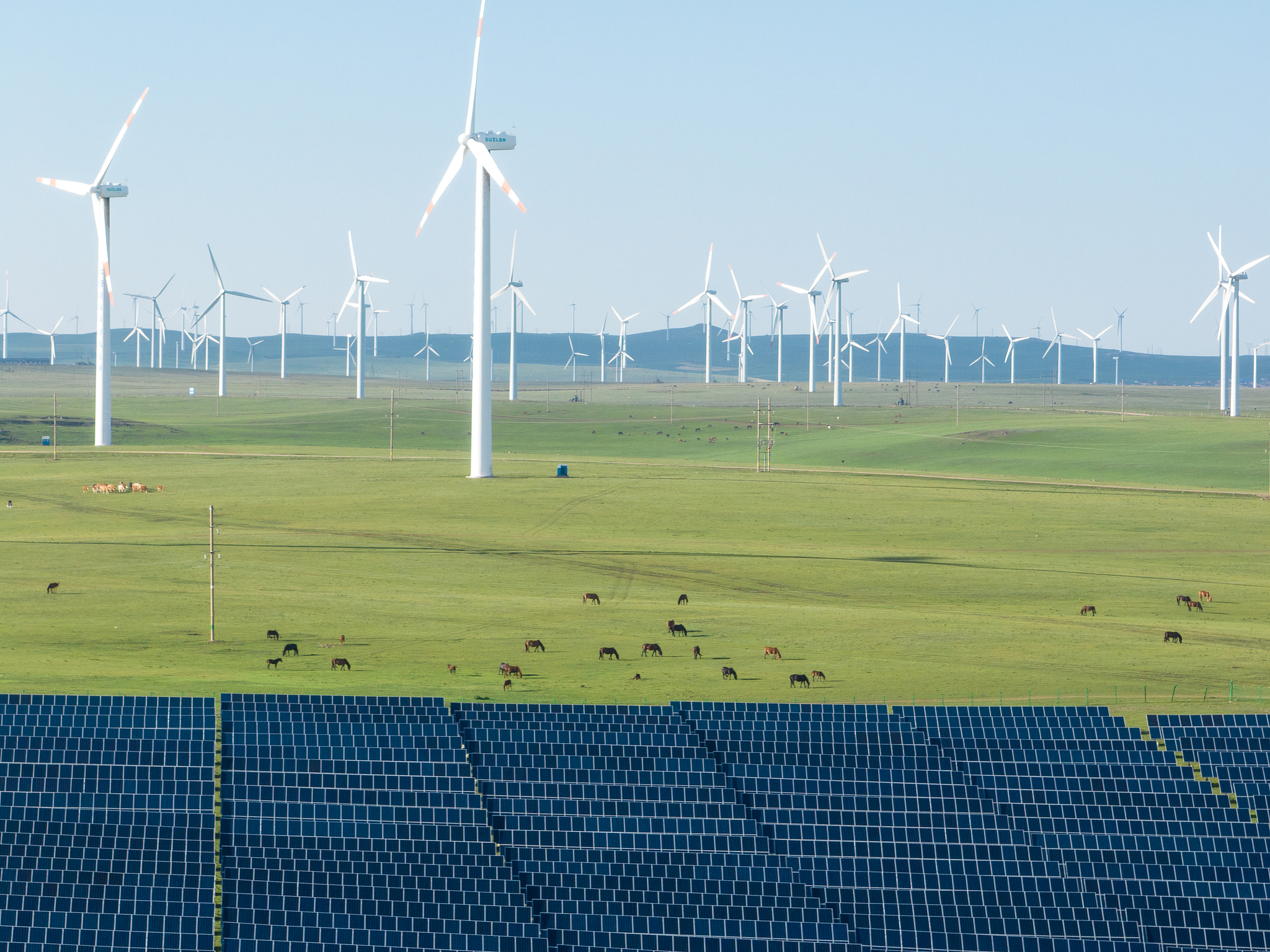
Solar panels and wind turbines on the grassland in Ulanqab, Inner Mongolia Autonomous Region, north China. (Photo: VCG)
At the 11th BRICS Energy Ministers' Meeting in Gurugram, India, energy ministers identified three broad areas for cooperation: energy security and sustainability, energy access and equity, and technology and innovation.
BRICS brings together 11 emerging and developing economies, with cooperation spanning areas including energy, science and technology, trade and finance. Its members have different energy resources, development priorities and energy systems, shaping the way they approach these common challenges.
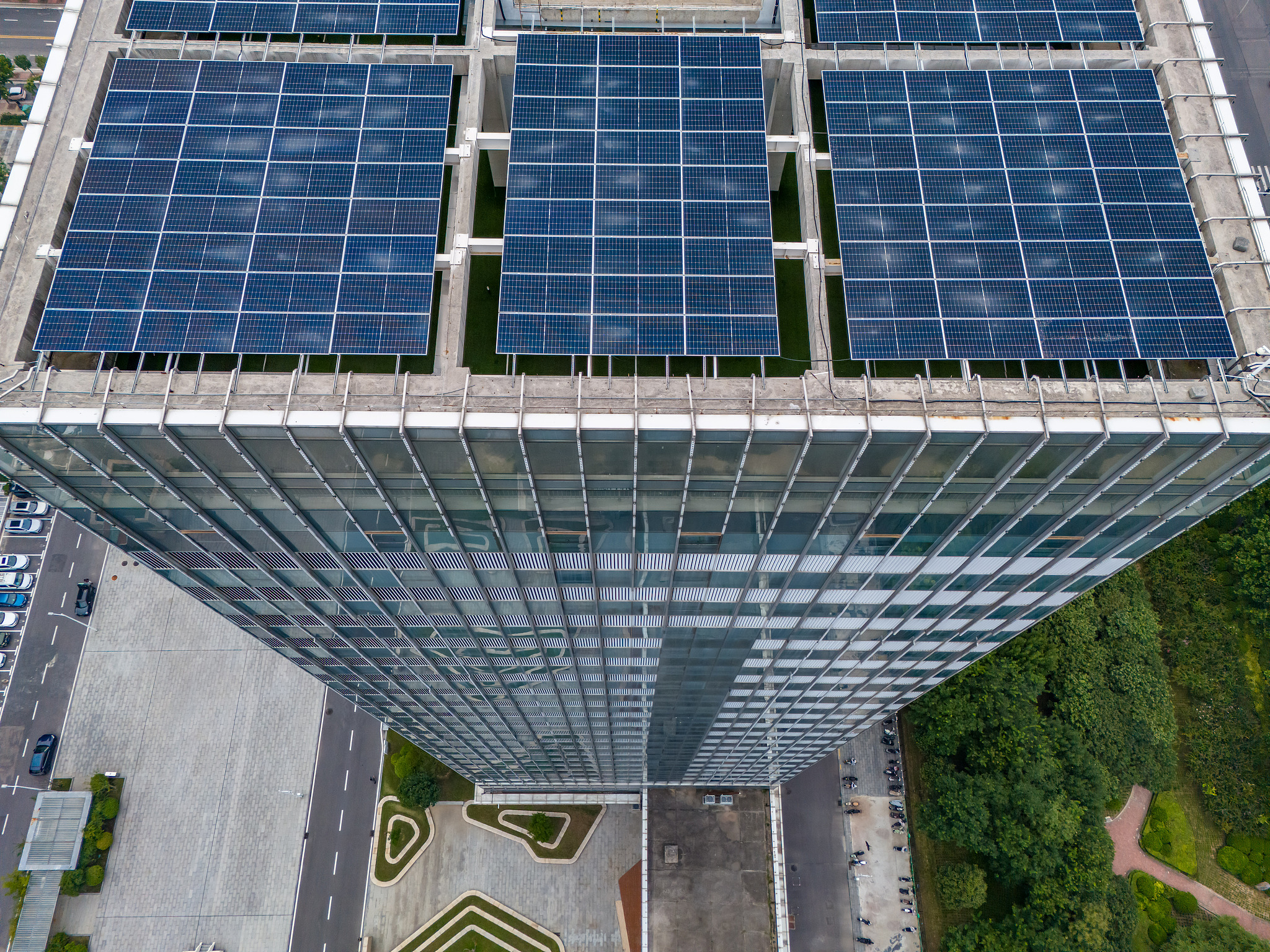
A high-rise office building topped with solar panels at an industrial park in Zhengzhou, Henan Province, central China, August 18, 2026. (Photo: VCG)
Balancing security, access and transition
The energy agenda reflects the different circumstances of BRICS members. The ministers reaffirmed the importance of respecting national circumstances, development priorities and energy pathways, while calling for diversified and resilient energy systems and supply chains.
The meeting also highlighted universal access to affordable, reliable, sustainable and modern energy. Affordable financing and capacity building were identified as part of efforts to support emerging markets and developing economies. At the same time, members discussed cooperation in renewable energy, biofuels, hydrogen, energy storage, carbon capture, energy efficiency and other technologies.
Rather than setting out a single model for the energy transition, the agenda emphasizes cooperation across different technologies and national energy systems.
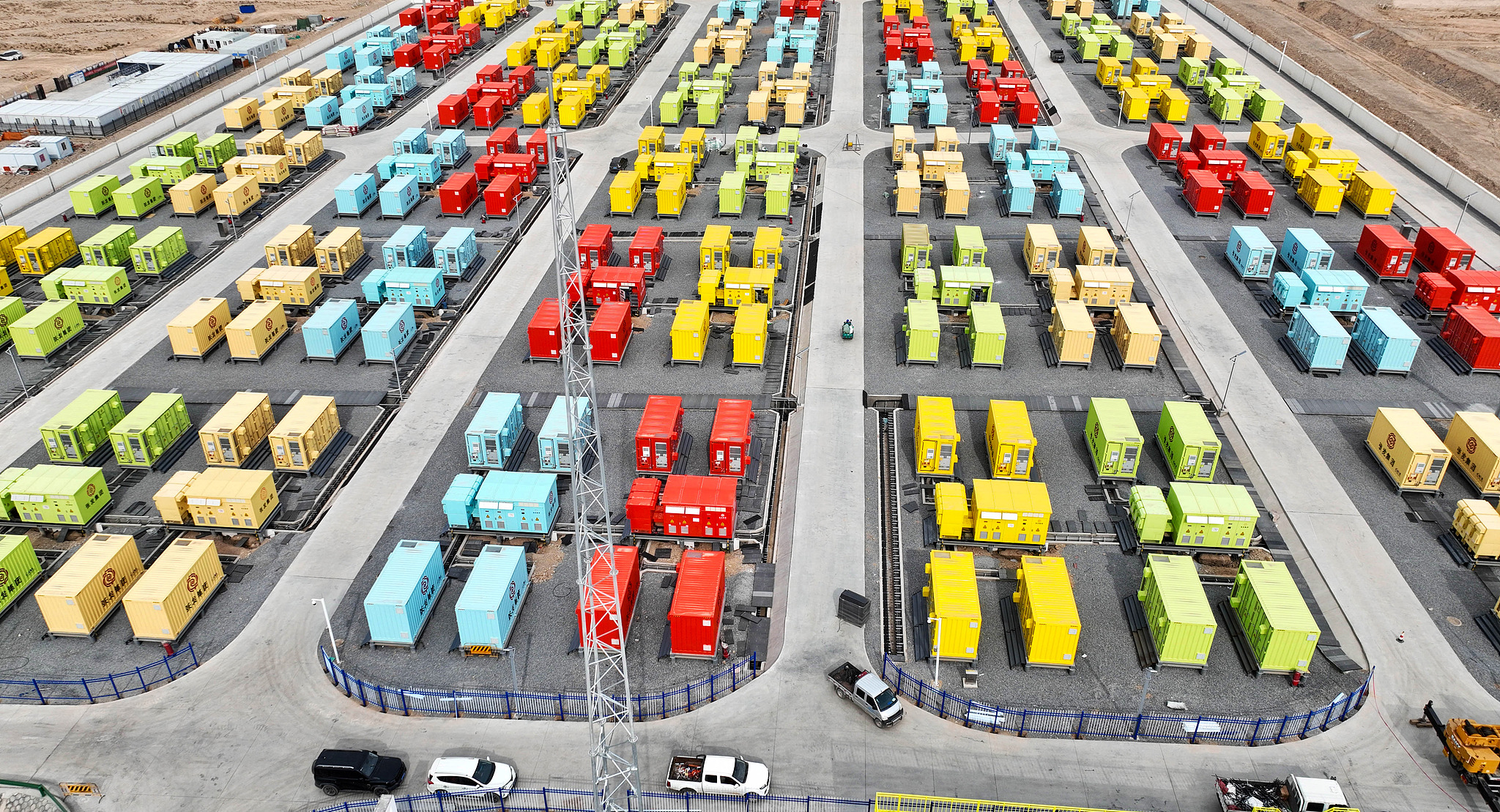
Construction site of the Gansu Huitong 300MW/1,200MWh standalone energy storage power station in Shandan County, Gansu Province, northwest China, August 25, 2026. (Photo: VCG)
Smart grids and energy storage
Smart grids and energy storage offer a more specific example of that approach.
A smart grid uses digital technologies, sensors, automation and data analysis to monitor and manage electricity systems. Energy storage facilities can hold electricity for later use, helping power systems manage changes in supply and demand. Both can become increasingly relevant as renewable energy is integrated into electricity systems.
During India's 2026 BRICS chairship, members launched the BRICS Digital Centre of Excellence for Smart Grids and Energy Storage under the BRICS Energy Research Cooperation Platform. The center is designed as a voluntary collaborative platform for knowledge sharing, capacity building, exchanges on policy and regulatory practices, and pilot initiatives.
Members also adopted the BRICS Guiding Principles on Smart Grids and Energy Storage, recognizing the role of modern, resilient and digitally enabled power systems in supporting reliable and affordable energy access and integrating renewable energy and emerging technologies.
For BRICS countries, the initiative provides a channel to compare experience and build technical capacity around common challenges. Its practical impact will depend on how knowledge exchanges and proposed pilot initiatives develop across different national power systems.
For more:
BRICS tech horizons: BRICS countries deepen space cooperation to address global challenges
BRICS tech horizons | BRICS and AI: From consumers to creators
BRICS tech horizons: Cross-border payment connectivity in focus as BRICS Summit nears