


Japan's central bank lifts policy rate to 31-year high, signals more hikes
TOKYO, Sept. 18 (Xinhua) -- The Bank of Japan (BOJ) on Friday raised its key interest rate by 0.25 percentage points to a 31-year high of 1.25 percent, while signaling further rate hikes ahead.
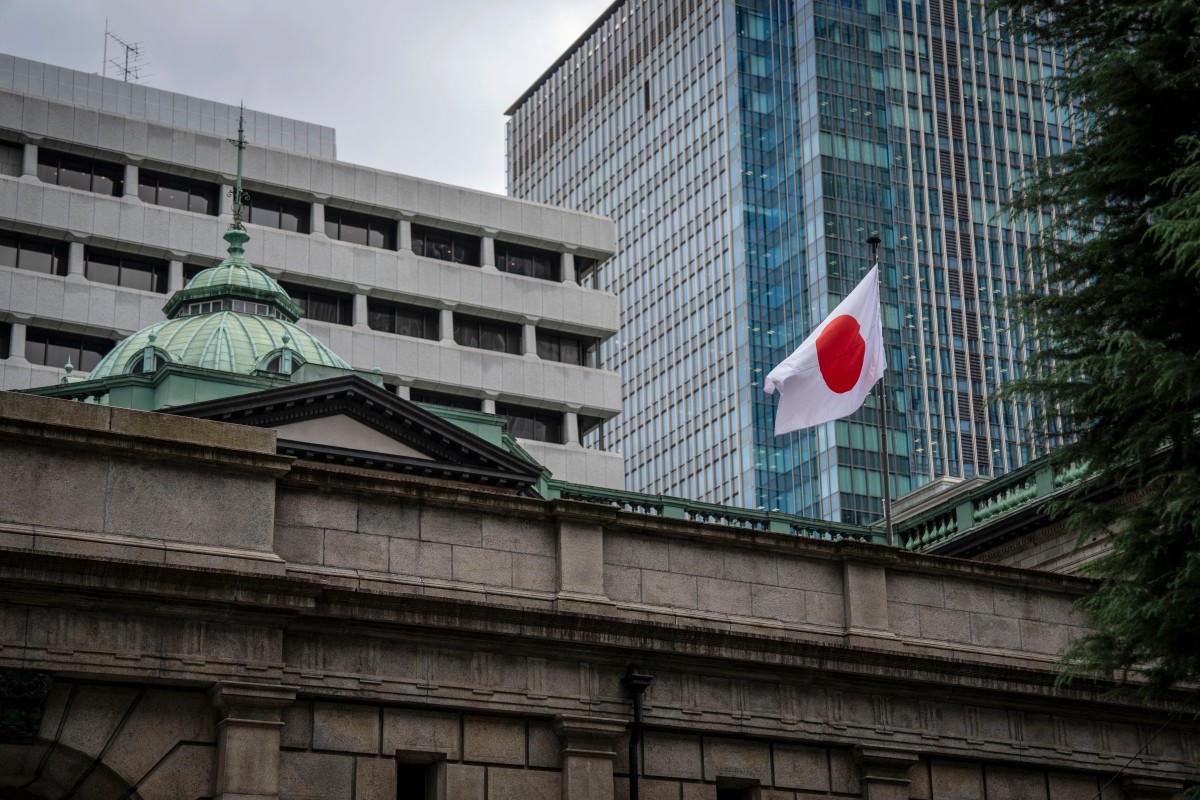
The Japanese national flag is seen at the Bank of Japan (BoJ) headquarters in Tokyo on September 1, 2026. (File photo: AFP)
The central bank lifted the rate again after bringing it up to 1.0 percent in June, marking the shortest interval between increases since the BOJ ended its negative interest rate policy in March 2024.
Seven of the BOJ's nine board members voted for the rate hike at its two-day policy meeting that concluded Friday.
The decision, widely anticipated, came as the prolonged Middle East conflict and disruptions to shipping through the Strait of Hormuz have sent crude oil prices surging, while the yen's slide to its lowest level in decades against the U.S. dollar has driven up import costs, though recent expectations of a September rate hike by the BOJ had helped the yen recover moderately.
BOJ Governor Kazuo Ueda said at a press conference after the meeting that the central bank had entered a phase in which it must pay greater attention to the possibility of higher-than-expected inflation, noting that the risk of inflation overshooting the BOJ's two-percent price stability target was becoming increasingly apparent.
Going forward, the BOJ said in a report explaining its latest monetary policy decision that it will continue to raise the policy interest rate and adjust the degree of monetary accommodation in response to developments in economic activity and prices as well as financial conditions.
The BOJ said it will pay particular attention to the impact of the situation in the Middle East, the effects of expanding global artificial intelligence-related demand, and developments in foreign exchange rates, among other factors, when determining the timing and pace of adjustment.
Rising interest rates would push up borrowing costs for both businesses and households, potentially weighing on economic activity and posing a challenge for the BOJ's efforts to contain inflation without hampering growth.
The BOJ has two policy meetings remaining this year, scheduled for October and December.