


France announces 450-mln-euro aid package amid surging fuel prices
PARIS, Sept. 22 (Xinhua) -- The French government on Tuesday unveiled a new aid package to help households and key sectors cope with surging fuel prices, with the measures expected to have a budgetary cost of around 450 million euros (513 million U.S. dollars).
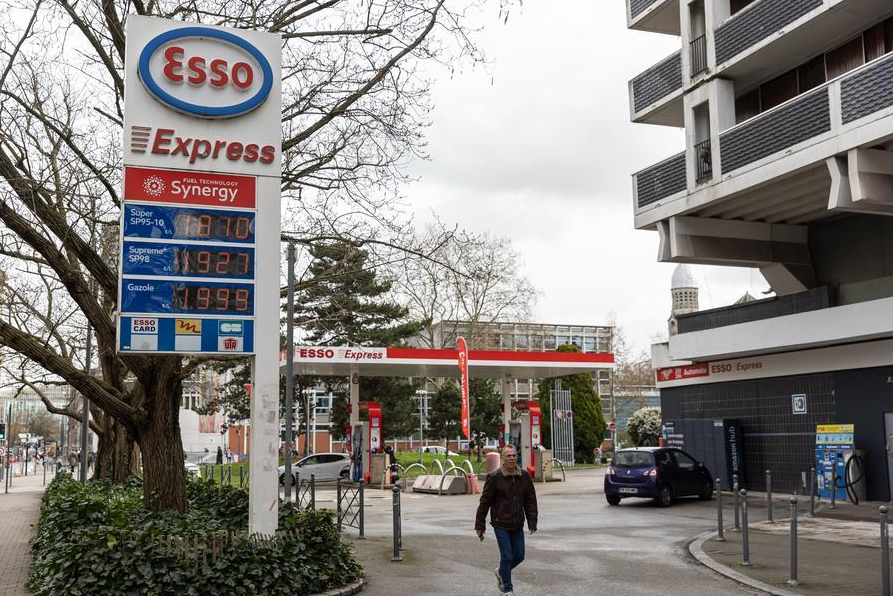
A man walks past a petrol station in Lille, north France, on March 11, 2026. (Photo: Xinhua)
French government spokesperson Maud Bregeon said at a press conference that the aid for people who drive long distances would be extended to higher-income groups, expanding the number of eligible people from 3 million to 5.5 million.
The tax-exempt ceiling of the fuel allowance that employers can provide to their employees will be raised from 600 euros (684 dollars) to 1,000 euros (1,140 dollars), French Minister for Small and Medium-sized Enterprises Serge Papin said. He also announced that the aid for the construction and public works sector and agriculture would be extended until the end of the year.
French Health Minister Stephanie Rist announced the creation of an 80-euro (91.2 dollars) "rural territory bonus" for nurses who travel more than 100 kilometers a day.
The government presented the measures amid continued rises in fuel prices, with the conflict in the Middle East and the disruption of traffic through the Strait of Hormuz putting further pressure on the market.
According to France Info, the average price of diesel reached 2.39 euros (2.72 dollars) per liter Tuesday, after exceeding 2.40 euros (2.74 dollars) over the weekend. The average price of SP95-E10 gasoline, the most widely sold gasoline in France, stood at 2.15 euros (2.45 dollars) per liter.
Both fuels were priced at around 1.72 euros (1.96 dollars) per liter on Feb. 27, the day before the first Israeli-U.S. strikes on Iran, according to Franceinfo.
In May, the French government unveiled a support package costing around 710 million euros (809 million dollars) to help households and key industries cope with rising fuel prices.