


Continuous China-US cooperation benefits global fight against aging
As populations age at unprecedented rates on both sides of the Pacific, two leading medical voices are calling for deeper cross-border cooperation in research, data sharing and clinical innovation.
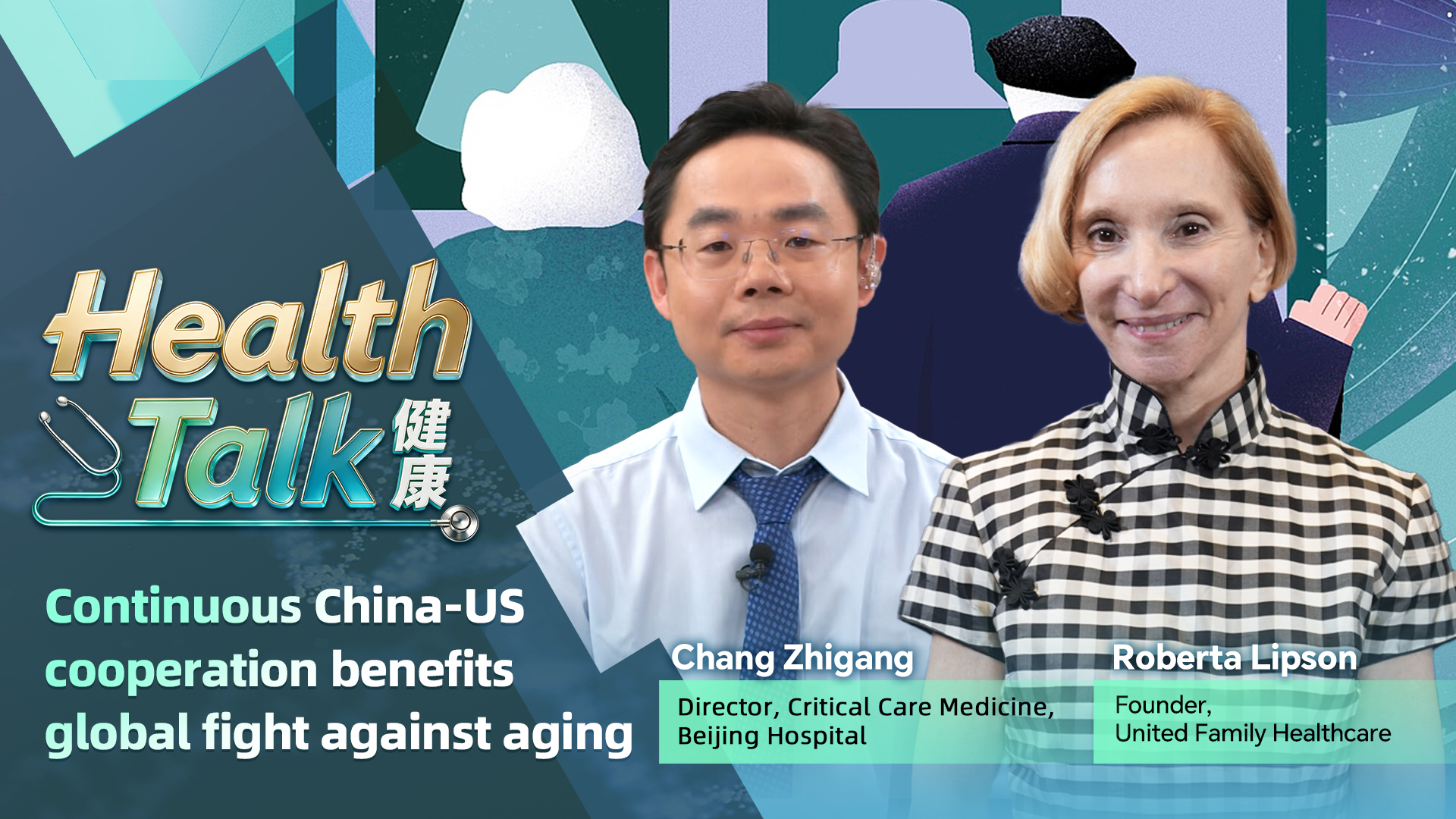
Chang Zhigang, director of Critical Care Medicine at Beijing Hospital, and Roberta Lipson, founder of United Family Healthcare, recently shared their perspectives on why China-US collaboration in aging and healthcare is not just beneficial – it is essential.
The shared challenge
The demographic pressures facing both nations are stark.
China's population aged 60 and above reached 323 million by the end of 2025 and is projected to exceed 400 million by around 2035, more than 30% of the national total. In the United States, the first baby boomers turned 80 in 2026, and the 80-plus population is projected to double from 14.7 million in 2025 to 29.4 million by 2045.
Both countries are investing heavily. China's fiscal spending on elderly care services and senior welfare exceeded 560 billion yuan (around $83 billion) from 2019 to 2024, growing at an average annual rate of 11%. The question is no longer whether each can manage its own aging challenge alone, but how they can learn from each other.
A shared future
Lipson invoked a broader moral framework. "It would be a shame if an innovation happens in one country and the rest of the world can't benefit from it," she said. "As the human race, we owe it to each other to figure out a way how to collaborate across borders for the benefit of the health of mankind."
Chang echoed this sentiment, linking it to China's vision of a community with a shared future for mankind. "No single country can tackle it (population aging) by itself," he said.