


RAZOR: Can Solar Power Save Our Water Supply?
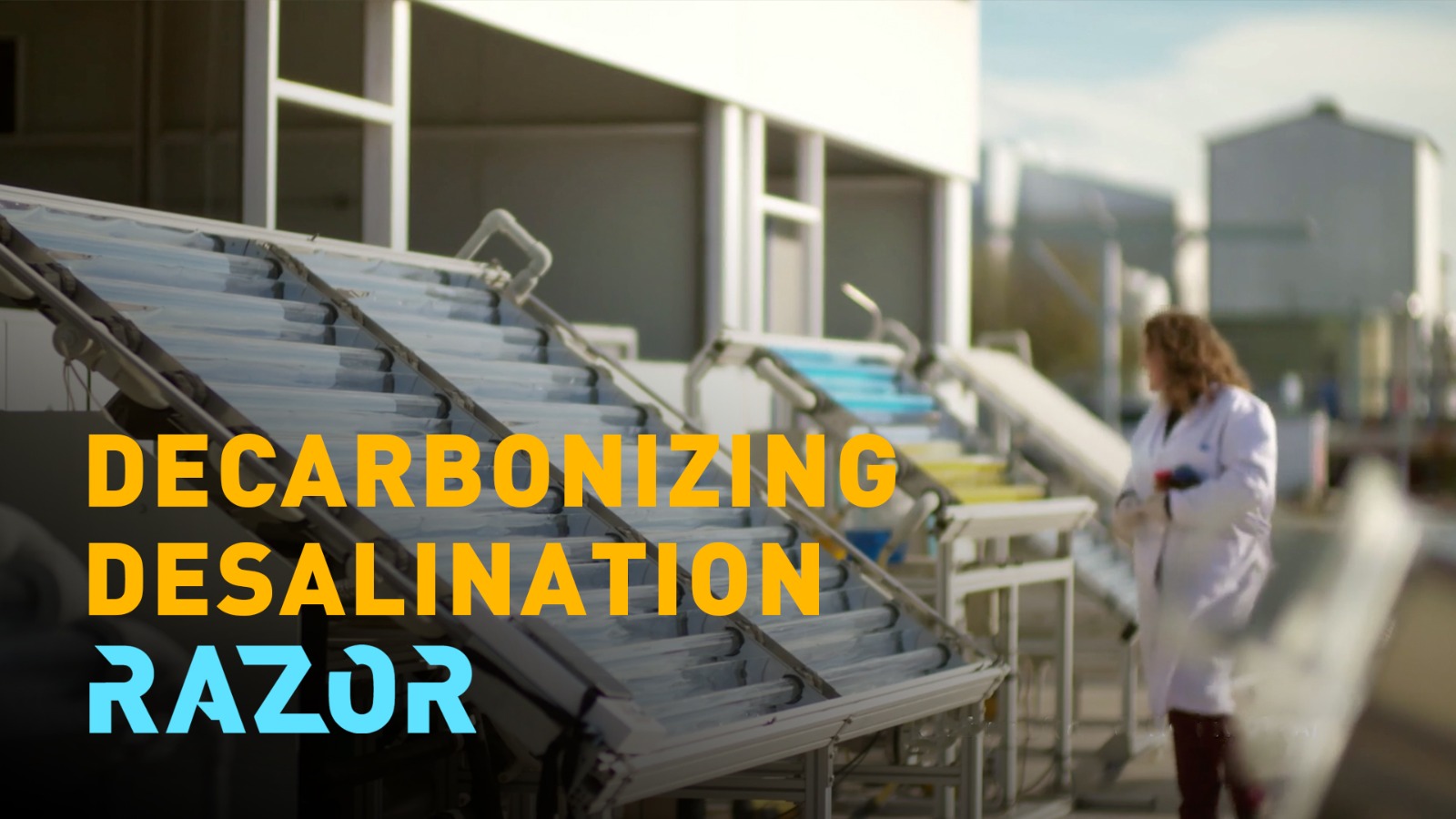
Water covers most of our planet, yet access to fresh water is becoming an increasingly urgent challenge. As droughts intensify and groundwater supplies decline, countries are turning to desalination to produce fresh water from the sea. But desalination itself requires large amounts of energy, raising a new question: can we produce the fresh water we need without creating another environmental problem?
To understand the challenge facing one of Europe's most water stressed regions, RAZOR's Gabrielle Lawrence heads to Almería in southern Spain. The region receives little rainfall and has seen its underground water supplies decline, while its vast greenhouses have made it one of Europe's most important agricultural areas. Here, producing food means finding new ways to make every drop of water count.
At the Cajamar Experimental Station, researchers are developing more efficient ways to grow crops while using less water. Drip irrigation delivers water directly to plant roots, while scientists are investigating how to better understand the needs of individual plants. We also meet Italian agri tech company PlantVoice, which has developed sensors that monitor plants in real time, helping farmers identify stress and potentially reduce their use of water, fertilisers and pesticides.
READ MORE FROM RAZOR
Predicting the Unpredictable — Italy’s Seismic Tech
How a super El Niño could turbocharge extreme weather
The glacier that buried a Swiss village
But saving water may not be enough. In the deserts surrounding Almería, researchers at the Plataforma Solar de Almería are exploring how the region's abundant sunshine can be used to produce fresh water from the sea. We see how solar thermal energy can be collected and stored to power desalination, while scientists test membrane distillation as another way to separate salt from seawater. The goal is to make desalination more sustainable while reducing its energy demands.
Yet producing fresh water leaves behind another challenge: brine, the highly concentrated saltwater left over after desalination. Scientists are investigating whether this waste could become a resource instead, by recovering valuable minerals and metals found in seawater. Rather than simply putting brine back into the sea, future desalination plants could potentially extract materials such as lithium, cobalt and nickel.
The challenge extends far beyond Spain. In Algeria, desalination is becoming increasingly important for securing water supplies and supporting food security, but managing the resulting brine remains a major environmental concern. As water scarcity spreads to more parts of the world, RAZOR explores whether smarter agriculture, renewable energy and new desalination technologies could help secure the fresh water we need, while making the process cleaner and more sustainable