


South Sudan steps up Ebola alert after Kenya case
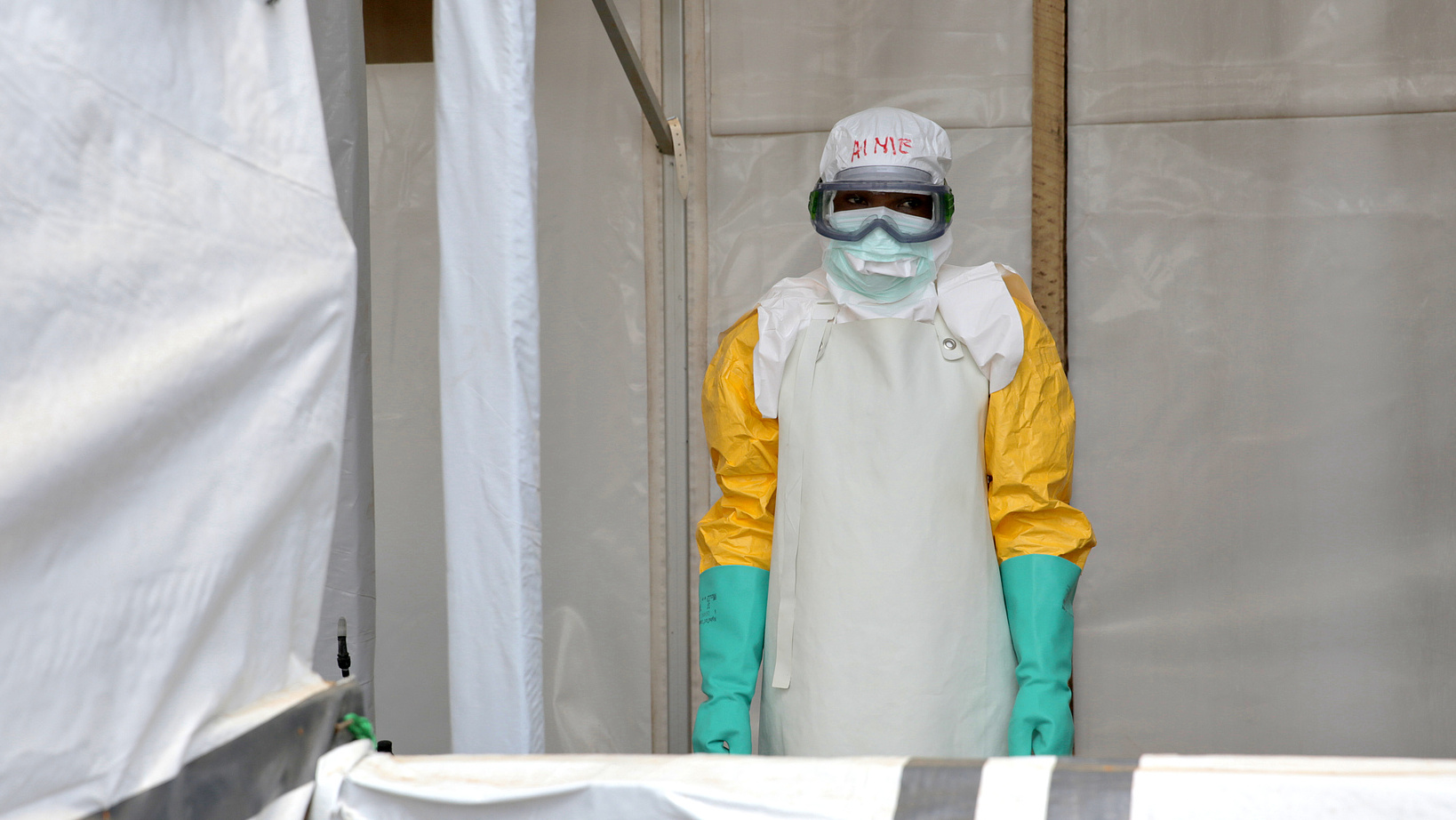
A health worker pauses after disinfecting a treatment center for Ebola patients, in Beni, North Kivu province, eastern Congo, Monday, August 31, 2026. (Photo: VCG)
South Sudan has stepped up surveillance and preparedness for Ebola after neighboring Kenya confirmed an imported case of the disease caused by the Bundibugyo virus, the health ministry said on Wednesday.
No cases have been detected in South Sudan, but the health system has been placed on high alert amid increased regional movement and trade links with the Democratic Republic of the Congo and transit routes through Kenya and Uganda.
"The geographical expansion of the outbreak to Kenya further increases the risk of cross-border spread and underscores the urgent need for heightened vigilance at points of entry," Caretaker Health Minister Dak Duop Bichiok told a press conference in the capital Juba.
South Sudan has reactivated its Ebola preparedness and response system, with screening underway at points of entry, along the borders of 15 high-risk counties and at Juba International Airport, the ministry said.
A dedicated national task force has also been established to coordinate preparedness efforts, while eight specialized infectious disease units have been set up for isolation and clinical management if cases are detected, said Ader Machar Aciek, acting executive director of the National Public Health Institute.
World Health Organization Officer in Charge in South Sudan Moses Ongom said preparedness had risen to 65%, from 29% in May and 45% in June.
He said infectious disease control units and response capabilities had been strengthened in priority areas and urged communities to remain vigilant and report suspected cases immediately.
Tolbert Geewleh Nyenswah, country director for the Africa Centers for Disease Control and Prevention (Africa CDC) in South Sudan, said the country has active systems for surveillance, detection, rapid response and laboratory testing.
The Africa CDC and WHO are also coordinating a regional incident management support mechanism based in Kampala to strengthen cross-border cooperation among countries affected by or bordering the Democratic Republic of the Congo, Nyenswah said.
The health ministry urged people to remain calm but vigilant, practice regular hand hygiene and avoid direct contact with people showing symptoms associated with Ebola. It said anyone experiencing suspected symptoms, including fever, vomiting, diarrhea or unexplained bleeding, should report to the nearest health facility.