


Austria's firefighter model could be Europe's answer to wildfires
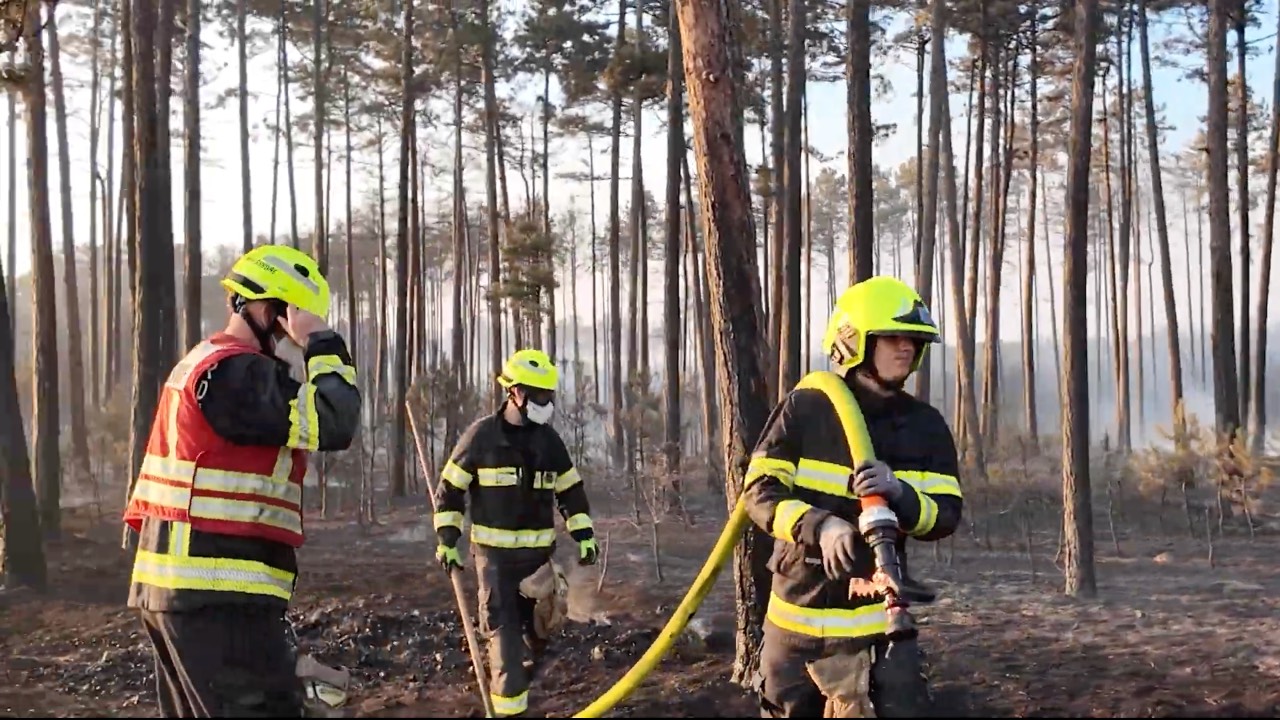
In Austria, almost all firefighters are volunteers, with brigades in practically every village across the country. /CGTN
After a devastating summer of wildfires across many parts of Europe, countries are working on ways to be better prepared next time.
Lessons could be drawn from Austria and Slovenia.
The International Association of Fire Services says their extensive network of volunteer firefighters, embedded in every village, could provide a model for other nations to follow.
"The ceiling is coming down," someone shouts.
Just 10 minutes after the alarm was raised, a local volunteer brigade started battling a warehouse fire. Austria has one of the highest firefighter densities in the world, helping crews reach fires quickly – even in remote areas.
"Depends on how close you get to the fire... it can get pretty hot," says 18-year-old volunteer Benjamin Berger, for whom the warehouse was his first dangerous callout – and a firsthand lesson in just how intense a fire can get.
In Austria, almost all firefighters are volunteers, with brigades in practically every village across the country. Berger and his father Richard are two of them—they have regular jobs, but when a call comes in, they drop everything and join their fellow crew members.
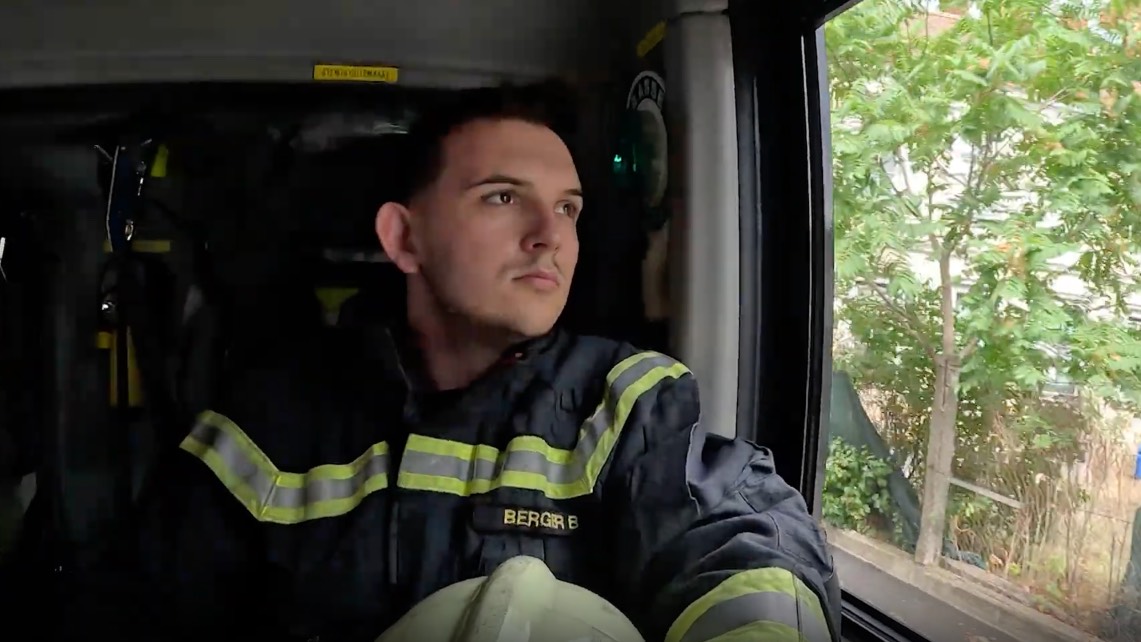
Benjamin Berger, 18, is a volunteer firefighter like his father Richard Berger. /CGTN
The younger Berger works as a mechanic in the day and trains to fight fires alongside his father in his free time. Many of his friends are volunteers too.
"Some people say it's like soccer, you go there once or twice a week and do some things, but nothing special for them," says Berger.
"In Austria, every 25th citizen is at a volunteer fire service," his father adds.
That widespread commitment helps explain why Austria and neighboring Slovenia have so many fire crews, according to the International Association of Fire Services.
Elsewhere in Europe, fire brigades rely less on volunteers and are more commonly organized through the military or private companies, leaving some remote areas far from a fire station.
It's a system that proved its worth this summer when 830 volunteers quickly contained a wildfire that had spread across 64 hectares in Lower Austria.
"It's always the amount of firefighters," the head of the International Association of Fire Services, Roman Sykora, told CGTN. "If you're somewhere in the forest and the next firefighter station is 50 kilometers away then it takes time to get there."
More countries are now adopting elements of the Austrian model. The principle is simple: trained firefighters ready to respond, even if it requires them to leave their day jobs.
For the Bergers, that's part of everyday life.