


Conflict complicates breast cancer care in eastern DRC
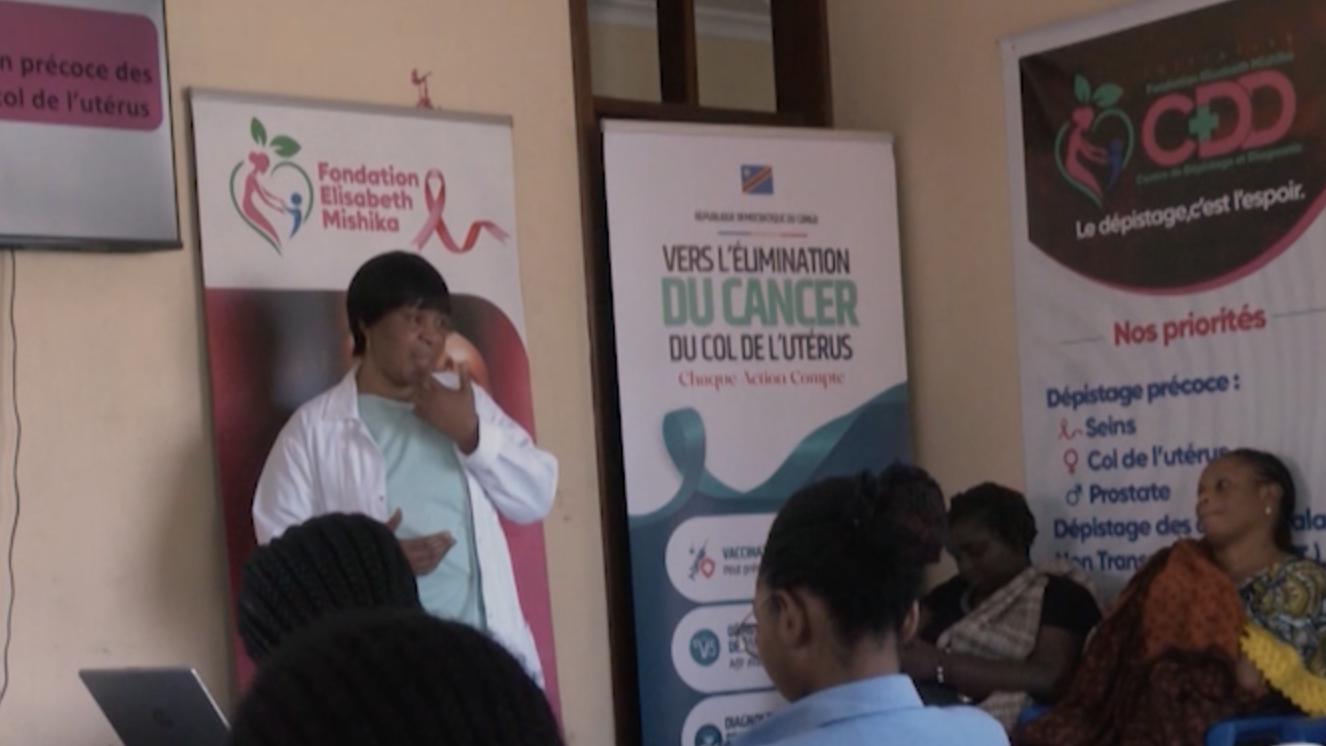
Health workers in Goma, in the eastern Democratic Republic of the Congo (DRC), are working to improve access to breast cancer information and screening in a region where conflict and limited medical services make early detection difficult.
Dr Élisabeth Mishika is among those leading the effort through the Élisabeth Mishika Foundation, which offers breast cancer awareness sessions and free screening. The initiative aims to help women recognize warning signs and seek medical attention early.
The campaign is part of Pink October, an annual global initiative to raise awareness of breast cancer and promote early detection.
Nicole Bisimwa, who attended the campaign, said the sessions had helped address gaps in knowledge about breast and cervical cancer.
"Many of us do not have enough information about breast cancer or cervical cancer. However, we were fortunate to be informed thanks to this campaign, which taught us how to prevent these diseases and seek treatment in time," Bisimwa said.
Another participant, Odette Mwangachuchu, urged women to pay attention to changes in their bodies and seek medical advice when necessary.
"All women my age should get into the habit of examining their bodies, especially their breasts. If they notice any abnormalities, they should go to a hospital for a consultation and to receive the necessary care," she said.
Mishika said many women seek medical care only when their cancers have reached advanced stages, limiting treatment options and their chances of survival.
"In most cases, we see women with cervical or breast cancer at very advanced stages, when our treatment options and chances of saving their lives are limited. Yet, these cancers can be cured if detected early enough," she said.
In eastern DRC, ongoing conflict, financial constraints, limited health facilities, inadequate information and stigma can prevent women from accessing timely care. Some travel long distances to attend awareness sessions, while others struggle to obtain a diagnosis or continue treatment.
Mishika stressed that breast self-examination was important but did not replace professional medical assessment. She also encouraged men to participate in awareness initiatives, noting that they can develop breast cancer, although it is much less common in men.
"There remains a critical need for screening and information, not only in the city of Goma, but also in the surrounding areas, where the situation is much the same. Women also need access to treatment whenever it is required," Mishika noted.
The need for better access to breast cancer services extends across sub-Saharan Africa. According to a World Health Organization report published last year, an estimated 135,000 women in the region could die from breast cancer by 2040 if urgent action is not taken to reverse current trends.