


South Africa investigates outbreaks linked to poor water quality
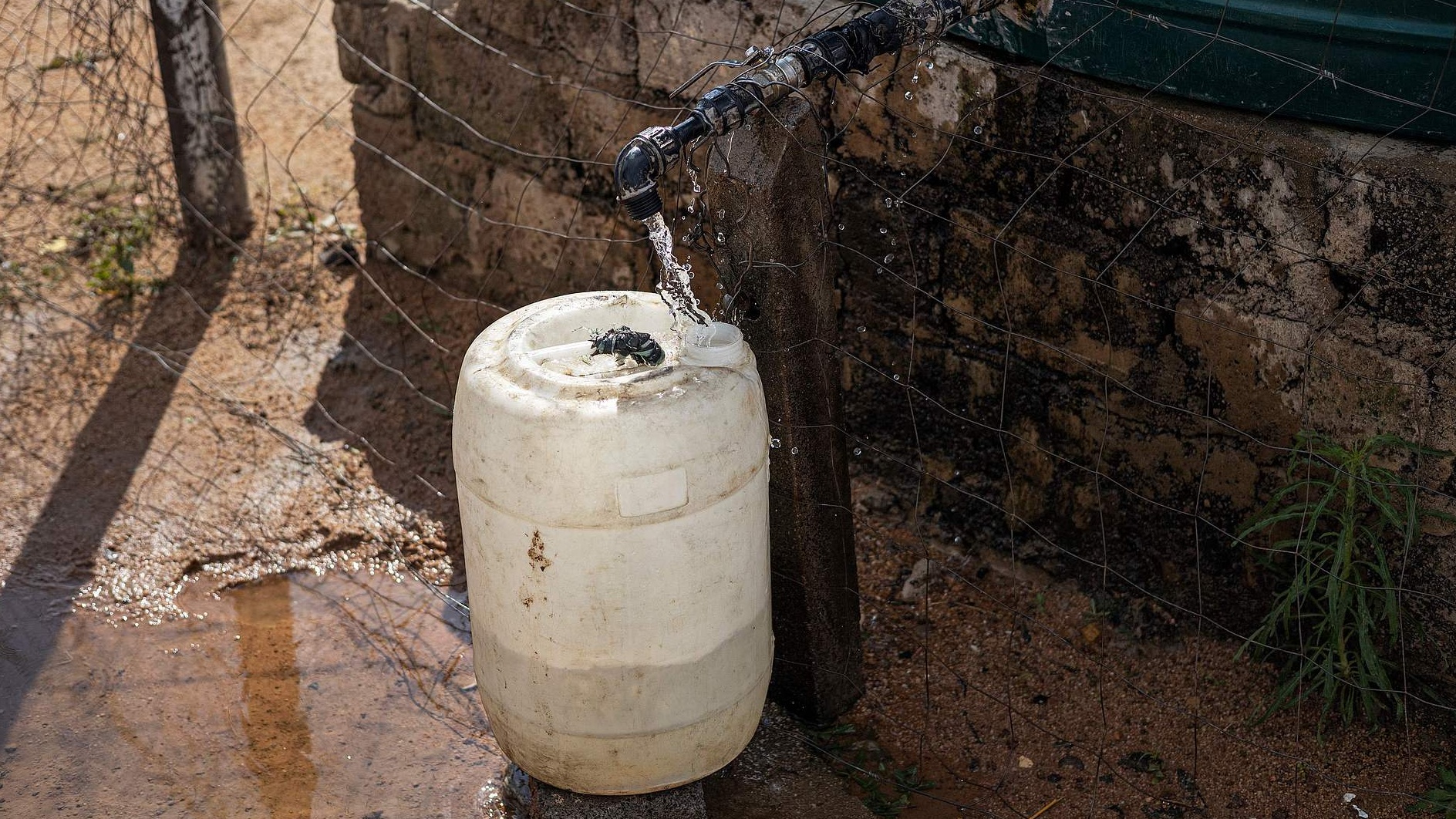
A general view of a jar being filled with water from a tank in an informal settlement in Hammanskraal on May 23, 2023. (Photo: VCG)
South African authorities are investigating two separate outbreaks of gastrointestinal illness, one linked to contaminated municipal water in Tshwane and another affecting students at Rhodes University in the Eastern Cape.
In Tshwane, 408 cases have been recorded in an outbreak linked to contaminated water supplied by the Bronkhorstspruit Water Treatment Works. Separately, Rhodes University has reported more than 100 cases among students in Makhanda, where the cause of the illnesses remains under investigation.
Officials said laboratory tests had found extremely high levels of E. coli and other bacteria in water from the treatment plant and nearby reservoirs.
Tests on stool samples from patients also detected norovirus, Campylobacter and Shigella in three of the four specimens analyzed. No cholera bacteria were found in the samples, the statement said.
An investigation by the Department of Water and Sanitation found that problems with the city’s chlorine supplier had left water from the treatment plant unchlorinated between late September and mid-October.
The investigation also found that the municipality had failed to alert residents that the water had not been chlorinated and was unsafe for human use.
The treatment plant draws water from the Bronkhorstspruit River, which the investigation found was affected by sewage pollution from dysfunctional wastewater treatment works upstream and faulty sewage pumping stations in Tshwane.
Water and Sanitation Minister Pemmy Majodina said the Water Research Commission had been appointed to conduct independent water-quality tests and investigate the causes of the contamination. Its report is expected by the end of October.
President Cyril Ramaphosa apologized to affected residents on Tuesday, saying the government had intervened to address the crisis.
“We are very sorry that it has resulted in the challenge of gastrointestinal illness that has affected a number of people,” he said during a visit to Daveyton, east of Johannesburg.
Ramaphosa said the government had established a National Water Crisis Committee to coordinate the response and restore access to safe drinking water.
At Rhodes University, officials are working with local public health authorities and environmental health practitioners to determine what caused the illnesses reported among students.
The university said medical practitioners had also reported similar cases elsewhere in Makhanda, raising the possibility that the outbreak extended beyond the campus.
“While investigations are ongoing, precautionary measures have been implemented on campus, including urgent water-quality testing at residences, the provision of safe drinking water in dining halls, and additional precautions in food preparation,” the university said in a statement.
It advised staff and students to drink boiled and cooled or bottled water, use safe water to prepare food and brush their teeth, avoid ice and uncooked food washed in untreated water, and wash their hands regularly with soap and water.
In Tshwane, residents supplied by the Bronkhorstspruit system have been told not to use tap water for drinking, cooking, bathing, brushing their teeth or washing food. The water may be used only for flushing toilets until authorities confirm it is safe.
The municipality is distributing drinking water by tanker as technical teams work to address the contamination. Authorities have not announced when tap water will be safe for consumption again.