


Brazil's presidential candidates hold final televised debate before runoff vote
Xinhua
1792890827000
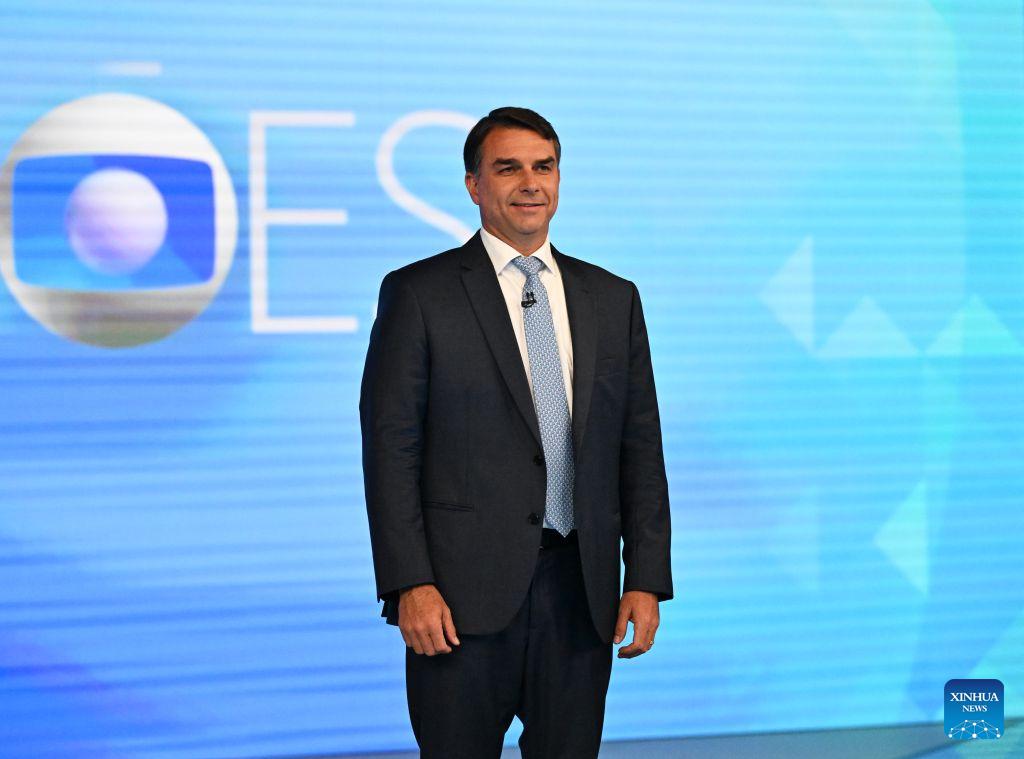
Brazilian Senator Flavio Bolsonaro, presidential candidate of Brazil's Liberal Party, attends a televised debate with Brazilian President Luiz Inacio Lula da Silva (not in the picture), presidential candidate of Brazil's ruling Workers' Party, in Rio de Janeiro, Brazil, Oct. 23, 2026. The last televised debate of the second round vote of Brazil's presidential election was held here on Friday. Brazil's presidential runoff, scheduled for Sunday, Oct. 25, will pit incumbent Luiz Inacio Lula da Silva against Flavio Bolsonaro in a closely fought contest that could shape the country's policy direction over the next four years and influence Latin America's political balance. (Xinhua/Jin Haoyuan)
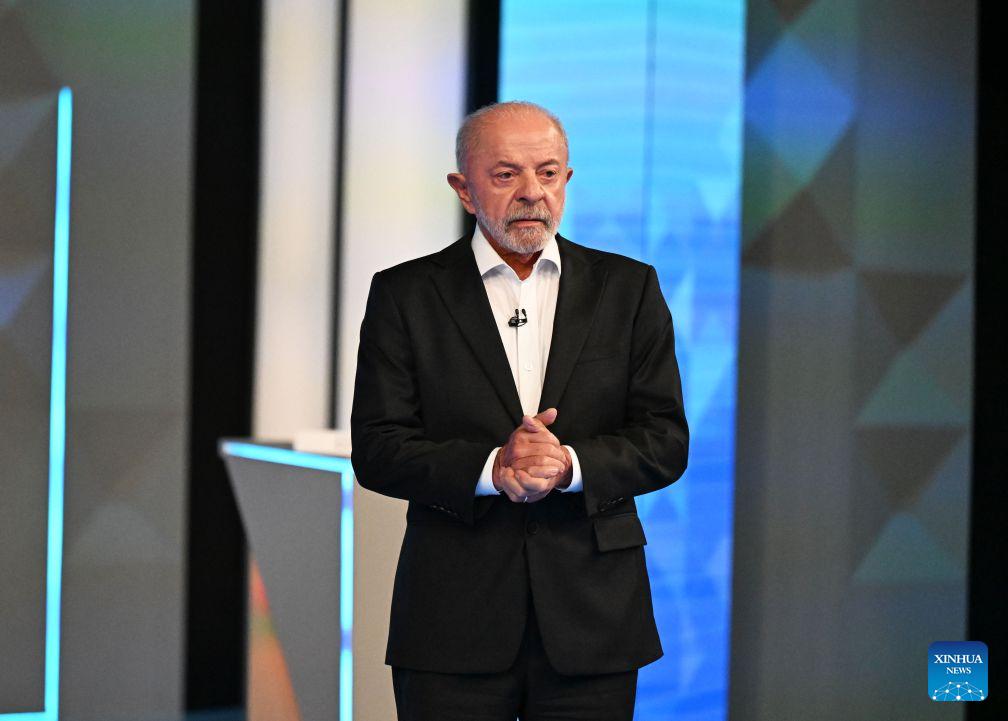
Brazilian President Luiz Inacio Lula da Silva, presidential candidate of Brazil's ruling Workers' Party, attends a televised debate with Brazilian Senator Flavio Bolsonaro (not in the picture), presidential candidate of Brazil's Liberal Party, in Rio de Janeiro, Brazil, Oct. 23, 2026. The last televised debate of the second round vote of Brazil's presidential election was held here on Friday. Brazil's presidential runoff, scheduled for Sunday, Oct. 25, will pit incumbent Luiz Inacio Lula da Silva against Flavio Bolsonaro in a closely fought contest that could shape the country's policy direction over the next four years and influence Latin America's political balance. (Xinhua/Jin Haoyuan)
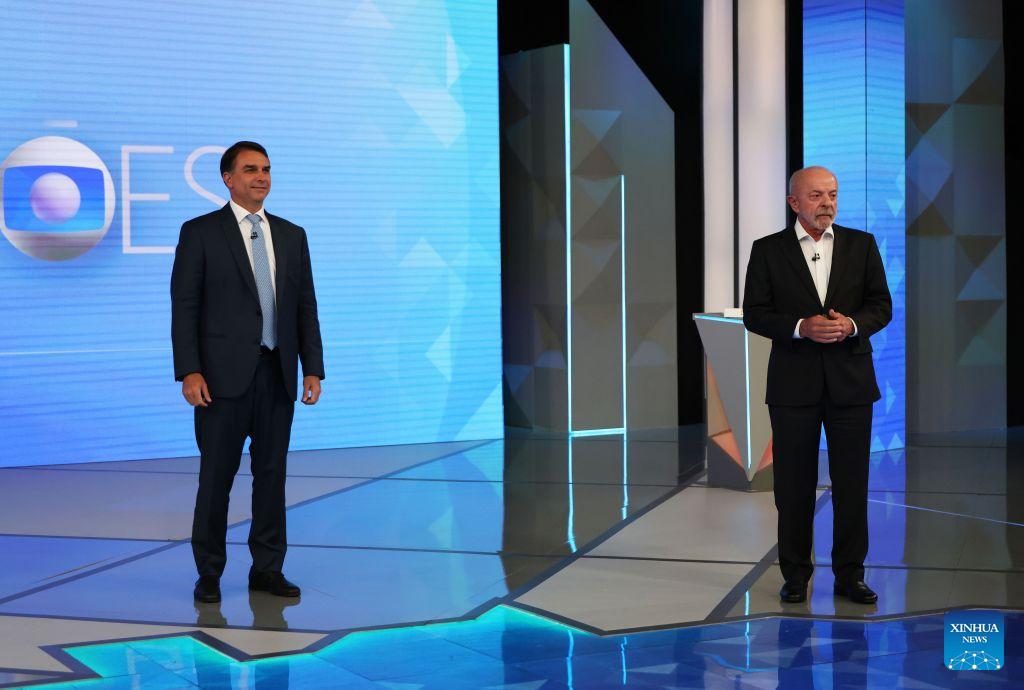
Brazilian President Luiz Inacio Lula da Silva (R), presidential candidate of Brazil's ruling Workers' Party, attends a televised debate with Brazilian Senator Flavio Bolsonaro, presidential candidate of Brazil's Liberal Party, in Rio de Janeiro, Brazil, Oct. 23, 2026. The last televised debate of the second round vote of Brazil's presidential election was held here on Friday. Brazil's presidential runoff, scheduled for Sunday, Oct. 25, will pit incumbent Luiz Inacio Lula da Silva against Flavio Bolsonaro in a closely fought contest that could shape the country's policy direction over the next four years and influence Latin America's political balance. (Xinhua/Jin Haoyuan)
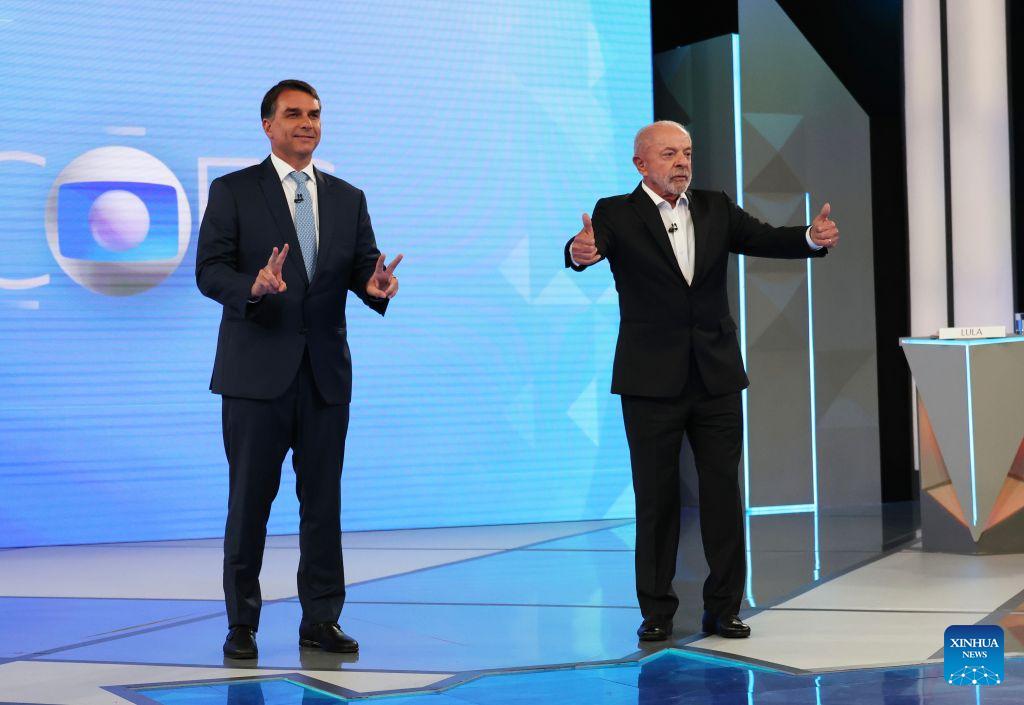
Brazilian President Luiz Inacio Lula da Silva (R), presidential candidate of Brazil's ruling Workers' Party, attends a televised debate with Brazilian Senator Flavio Bolsonaro, presidential candidate of Brazil's Liberal Party, in Rio de Janeiro, Brazil, Oct. 23, 2026. The last televised debate of the second round vote of Brazil's presidential election was held here on Friday. Brazil's presidential runoff, scheduled for Sunday, Oct. 25, will pit incumbent Luiz Inacio Lula da Silva against Flavio Bolsonaro in a closely fought contest that could shape the country's policy direction over the next four years and influence Latin America's political balance. (Xinhua/Jin Haoyuan)
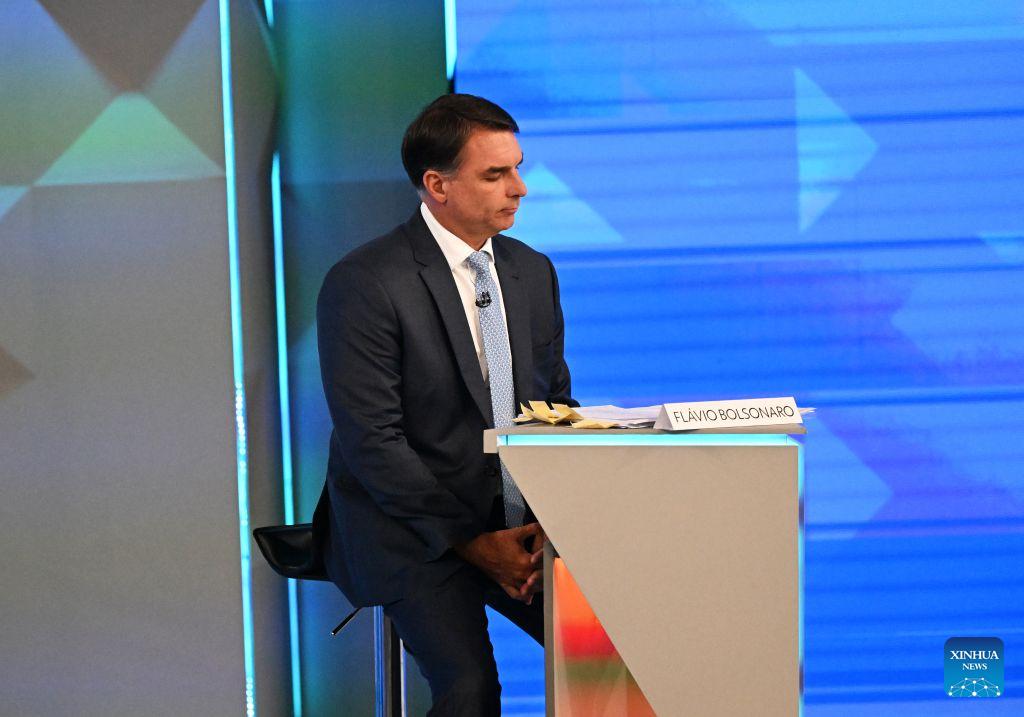
Brazilian Senator Flavio Bolsonaro, presidential candidate of Brazil's Liberal Party, attends a televised debate with Brazilian President Luiz Inacio Lula da Silva (not in the picture), presidential candidate of Brazil's ruling Workers' Party, in Rio de Janeiro, Brazil, Oct. 23, 2026. The last televised debate of the second round vote of Brazil's presidential election was held here on Friday. Brazil's presidential runoff, scheduled for Sunday, Oct. 25, will pit incumbent Luiz Inacio Lula da Silva against Flavio Bolsonaro in a closely fought contest that could shape the country's policy direction over the next four years and influence Latin America's political balance. (Xinhua/Jin Haoyuan)
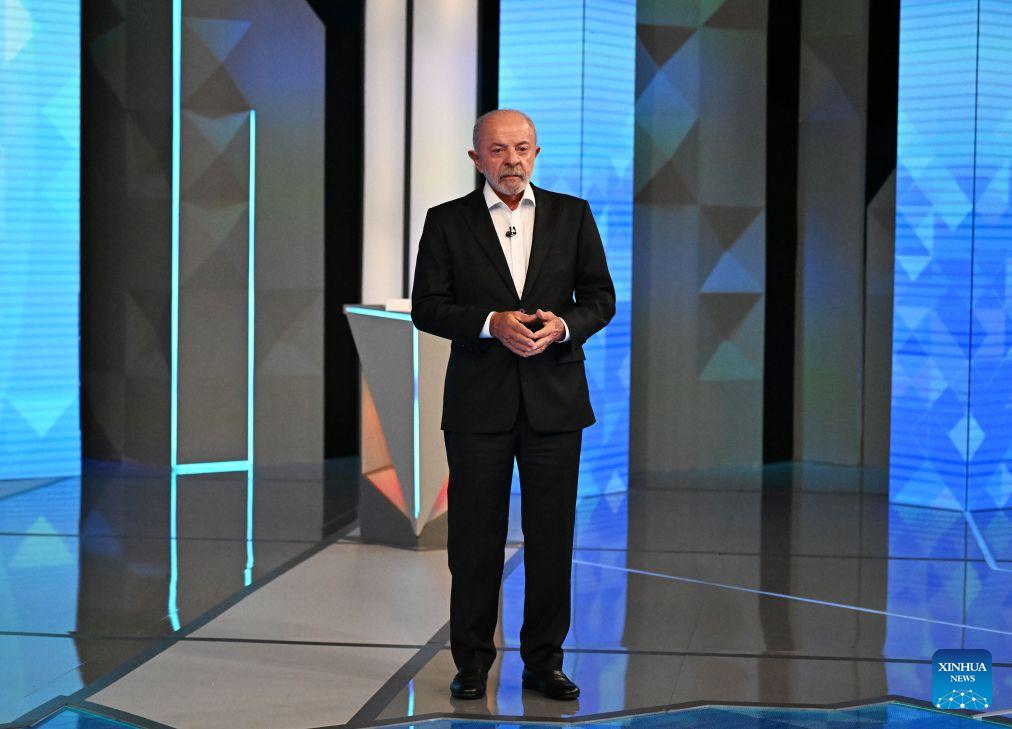
Brazilian President Luiz Inacio Lula da Silva, presidential candidate of Brazil's ruling Workers' Party, attends a televised debate with Brazilian Senator Flavio Bolsonaro (not in the picture), presidential candidate of Brazil's Liberal Party, in Rio de Janeiro, Brazil, Oct. 23, 2026. The last televised debate of the second round vote of Brazil's presidential election was held here on Friday. Brazil's presidential runoff, scheduled for Sunday, Oct. 25, will pit incumbent Luiz Inacio Lula da Silva against Flavio Bolsonaro in a closely fought contest that could shape the country's policy direction over the next four years and influence Latin America's political balance. (Xinhua/Jin Haoyuan)