


Climate shocks increase health risks for Africa's most vulnerable
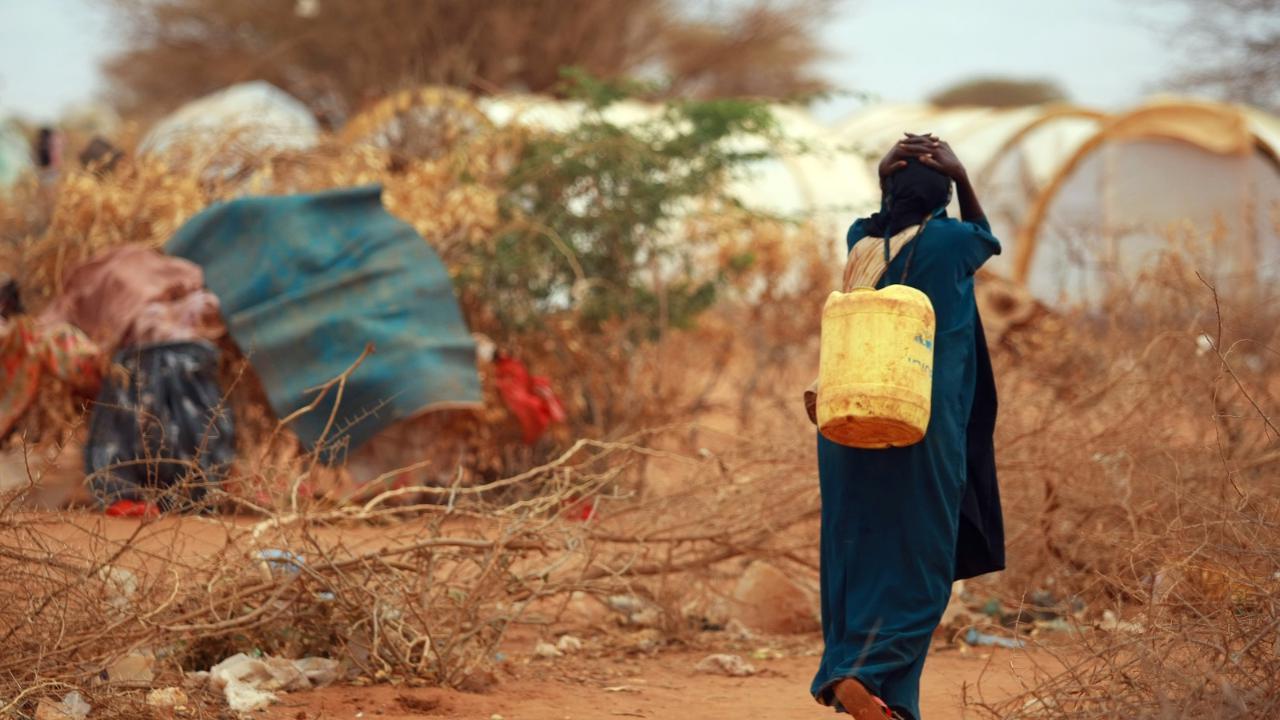
Famine at Dadaab refugee camp in Northern Kenya, August 14, 2011. /VCG
Climate change is already reshaping Africa's health landscape, as rising temperatures, erratic rainfall, droughts, and floods worsen food insecurity, heighten infectious disease risks, and strain already fragile health systems.
These impacts are felt most acutely by vulnerable communities, making climate action and resilient health systems essential to safeguarding Africa's future.
John Wafula, a Humanitarian Specialist at the United Nations Population Fund (UNFPA) in Kenya, says the effects of climate change extend beyond environmental damage, disproportionately affecting vulnerable populations and their access to essential healthcare and support.
Across Africa, many households depend on rain-fed agriculture for food and income.
When climate shocks destroy crops, livestock and other productive assets, families can lose years of hard work, deepening poverty and leaving them uncertain about their future.
Climate variability also compounds existing public health risks. Flooding can contaminate water supplies and increase exposure to waterborne diseases, while drought reduces access to safe water and compromises sanitation and hygiene. Changes in temperature and rainfall patterns can also influence the distribution of disease burden across the continent.
The World Health Organization (WHO) estimates that climate change could cause approximately 250,000 additional deaths annually between 2030 and 2050 from undernutrition, malaria, diarrhoeal diseases and heat stress alone.
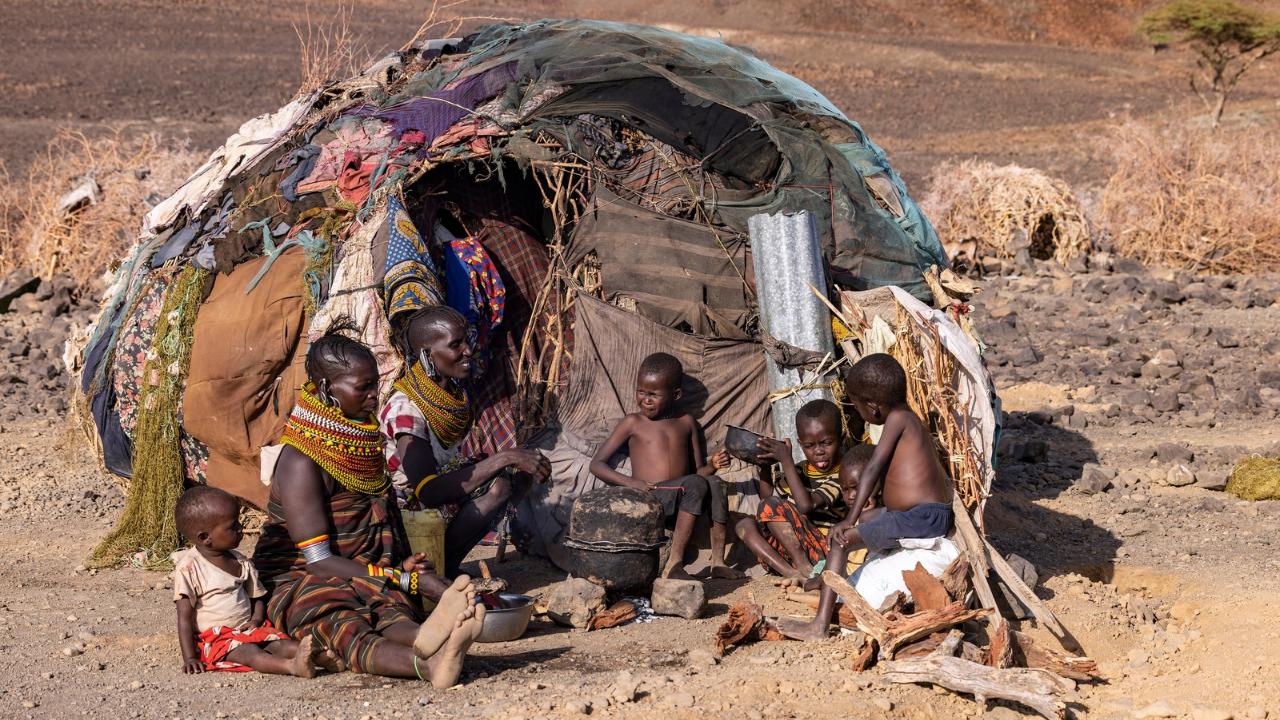
A mother prepares corn in Northern Kenya, July 22, 2022. /VCG
Women and vulnerable groups face growing risks
However, the effects of climate change are not felt equally. Women and girls, older persons, persons with disabilities, refugees and other displaced populations may face additional barriers to accessing essential services and support.
Wafula says the collapse of livelihoods can push some women into harmful coping mechanisms, including transactional sex work, increasing their exposure to exploitation, violence and sexual health risks. "Such circumstances can compound psychological distress, particularly when protection services and healthcare are inaccessible," he says.
Across Africa, prolonged droughts can force women and girls to travel longer distance in search of water, increasing their exposure to insecurity and potential violence.
According to the World Bank's 2025 paper on women and climate adaptation, women face several barriers to adopting climate-smart agriculture, including insecure land tenure, limited access to climate information and greater risk aversion driven by economic vulnerability.
Limited access to information also contributes to women’s low uptake of weather insurance, while their exposure to risks, including health shocks associated with fertility and childcare, further compounds these challenges.
Household responsibilities also restrict their participation in off-farm activities, limiting opportunities for income diversification and migration in response to climate shocks.
Climate change is intensifying displacement
Furthermore, environmental pressures often intersect with conflict, insecurity and poverty, forcing families across Africa to leave their homes in search of safety and livelihoods. This creates another vulnerable population: people displaced by climate-related shocks and their compounding effects.
Wafula says climate change has contributed to the displacement of people seeking refuge in Kenya, particularly in the Dadaab and Kakuma refugee camps in northern Kenya.
"The majority of the population that arrived in the Dadaab and Kakuma refugee camps in the last five years are as a result of climate change in their respective countries. Food insecurity, limited access to healthcare and heightened protection risks are driving many from their native lands into Kenya as climate refugees," he says.
Wafula adds that between 2021 and 2025, the refugee population in the Dadaab and Kakuma camps in northern Kenya increased significantly. According to the UNHCR Portal, Kenya hosted 879,452 refugees and asylum seekers as of September 30, 2026.
These displacement trends reflect broader climate-related challenges across the region.
Climate change has largely been treated as an environmental issue, yet its consequences extend to the social, psychological and economic aspects of people's lives, undermining their sense of security, dignity and control over their lives.
Treating climate change exclusively as an environmental concern risk overlooking its far- reaching implications for health, protection and access to essential services across the region.
Wafula argues that this calls for a shift in perspective, with climate change recognized as a human rights issue and healthcare placed at the center of climate adaptation planning.
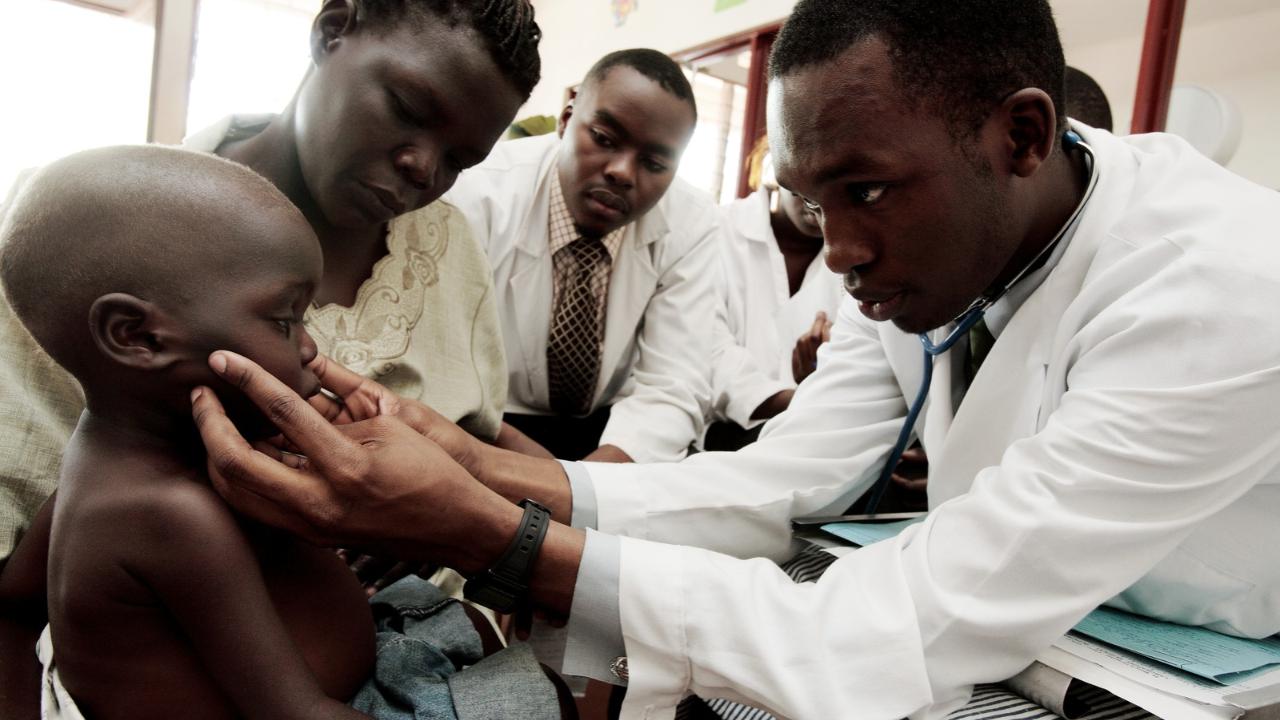
Doctors assessing malnourished children in Gulu, Uganda, November 21, 2011. /VCG
Strengthening health systems through data and climate finance
Effective climate preparedness depends on reliable data to identify vulnerable populations, map healthcare infrastructure and anticipate emerging risks. Across the region, governments collaborate with international partners on climate data initiatives.
However, limited investment in domestic data collection and coordination risks weakening early warning systems and delaying emergency responses.
Wafula emphasizes the importance of data-driven preparedness in strengthening responses to climate-related risks.
"Governments need interoperable information systems that integrate demographic, health, environmental and population movement data. Predictive analytics can help authorities identify high-risk communities, pre-position medical supplies and allocate resources before climate-related hazards escalate into disasters," he said.
Kenya hosted the Africa Climate Summit and Africa Climate Week in 2023, creating opportunities to advance continental climate action. The Nairobi Declaration called for greater international support and increased climate financing to address Africa's vulnerabilities.
Although international climate financing, including support through the Green Climate Fund, presents opportunities to strengthen adaptation, Africa is yet to fully translate these commitments into practical health interventions.
The WHO warns that areas with weak health infrastructure, particularly in developing countries, will be least equipped to cope with climate-related health risks without support to prepare for and respond to these challenges.