


COP31 in Türkiye: Can the world turn climate pledges into action?
The 31st session of the Conference of the Parties (COP31) to the United Nations Framework Convention on Climate Change (UNFCCC) is set to begin on Monday in Antalya, Türkiye, running through November 20.
The summit faces a central challenge: turning national pledges into measurable emissions cuts and stronger support for vulnerable countries.
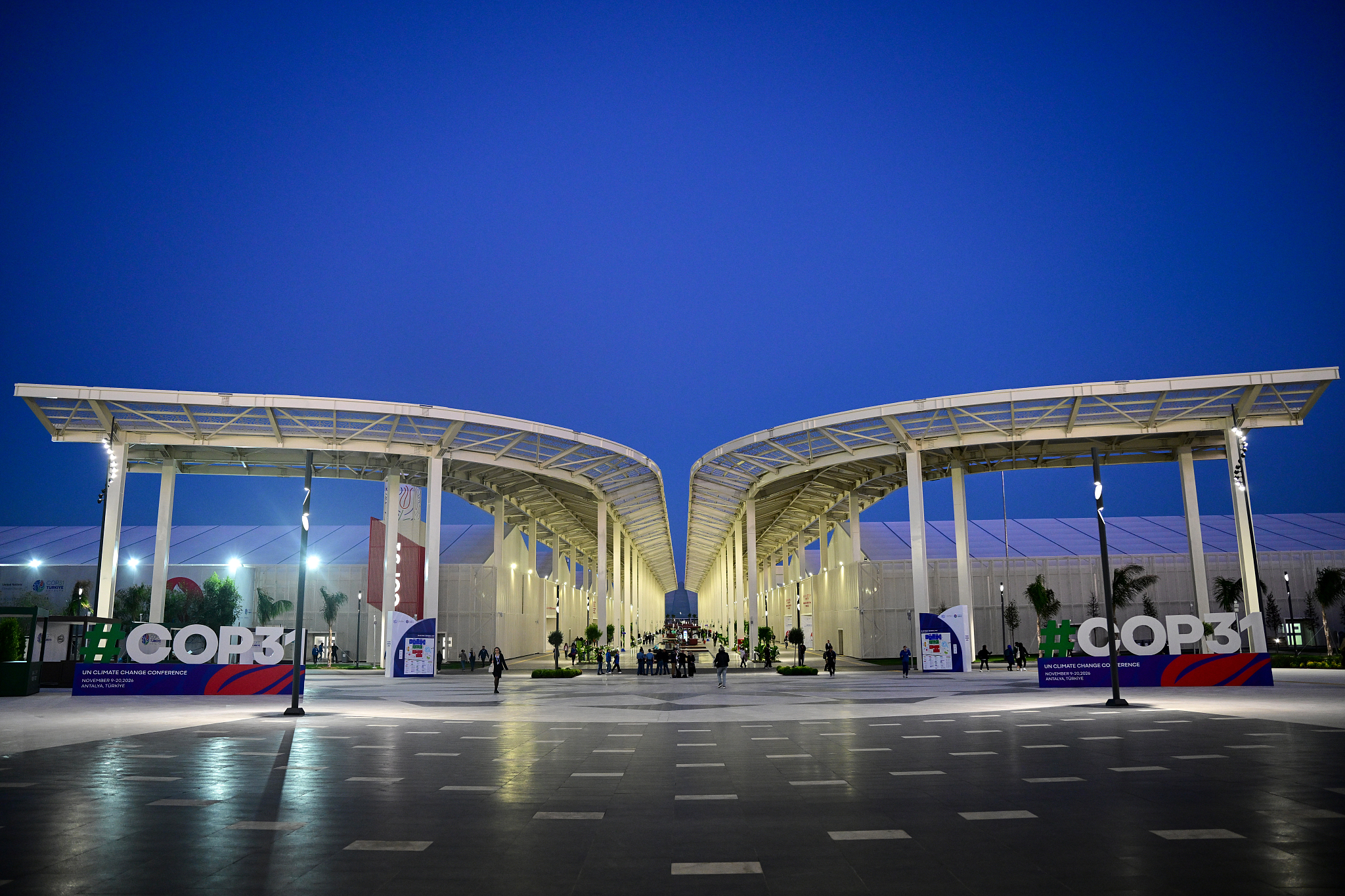
A view of the Blue Zone ahead of the COP31 to the UNFCCC in Antalya, Türkiye, November 7, 2026. (Photo: VCG)
Implementation is a key focus of the Turkish COP31 presidency.
Its 2035 targets include raising share of final energy demand met by electricity from just over 20% today to 35%, and reducing energy consumption intensity in the building sector by at least 25%.
The presidency is also seeking to advance zero waste, methane reduction, food security and green industrialization.
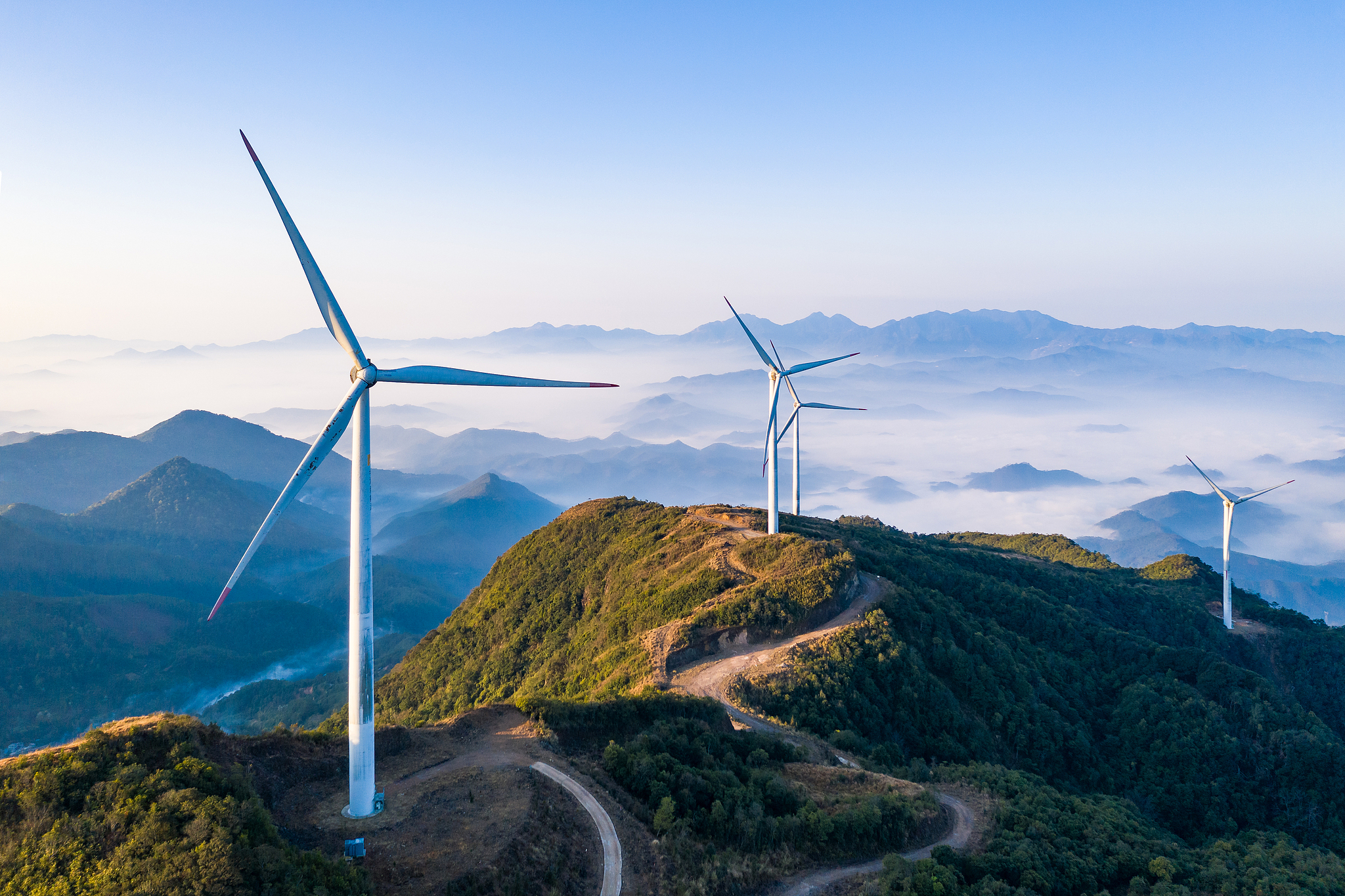
Wind turbines in Yangcun Town, Guangxi Zhuang Autonomous Region, south China. (Photo: VCG)
A major test will be whether countries can close the gap between their national climate plans and the goals of the Paris Agreement.
A synthesis report released by the UNFCCC Secretariat on October 27 recorded 127 new nationally determined contributions (NDCs), representing 154 parties to the Paris Agreement, submitted between January 2024 and August 2026.
Together, they cover about 71% of global greenhouse gas emissions in 2019, excluding land use, land-use change and forestry.
The report finds that climate action is becoming more deeply embedded in national policymaking, but projected emissions remain substantially off track from the goal of limiting global warming to 1.5 degrees Celsius.
Current pledges are expected to reduce emissions by around 6% by 2035 compared with 2019 levels. Even if fully implemented, they would deliver a reduction of only around 9%.
COP31 will need to address this gap between ambition and implementation, ensuring that targets translate into concrete action this decade.
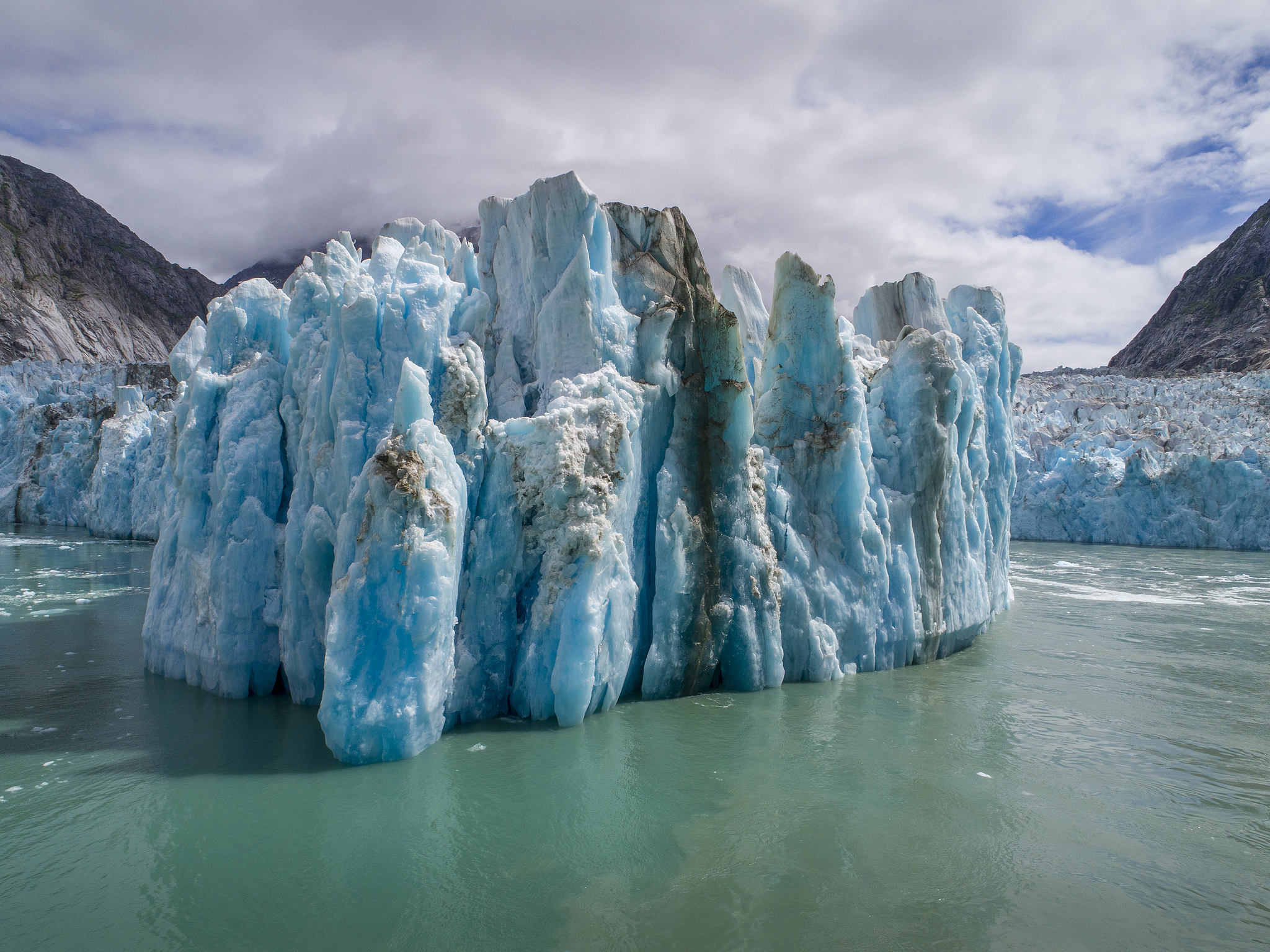
Dawes Glacier in Alaska, the United States. (Photo: VCG)
Climate finance and adaptation will be another major test. At COP30 in Belém, Brazil, in 2025, countries called for efforts to at least triple adaptation finance by 2035.
They also took forward the Baku-to-Belém Roadmap, outlining a pathway to mobilize at least $1.3 trillion annually for climate action by 2035.
The conference launched the Global Implementation Accelerator and the Belém Mission to 1.5 degrees Celsius to support national climate plans.
Yet the adaptation finance gap remains vast. The UN Environment Programme's Adaptation Gap Report 2026, released on November 4, estimates developing countries will need $305 billion annually for adaptation by 2035.
International public adaptation finance from developed to developing countries stood at just $28.2 billion to $31.7 billion in 2024. Even tripling these flows by 2035 would cover only 20 to 29% of the estimated needs.
As COP31 gets underway, negotiators will face pressure to improve access to climate finance, support developing countries and advance a just transition for workers and communities.
Ten years after the Paris Agreement entered into force, the summit will test whether international cooperation can translate commitments into tangible progress.