


Germany's auto industry faces turbulence ahead
Germany's car industry is heading into a tough round of labor talks as job cuts and possible plant closures loom, undermining a once-stable model built on high pay and global profits.
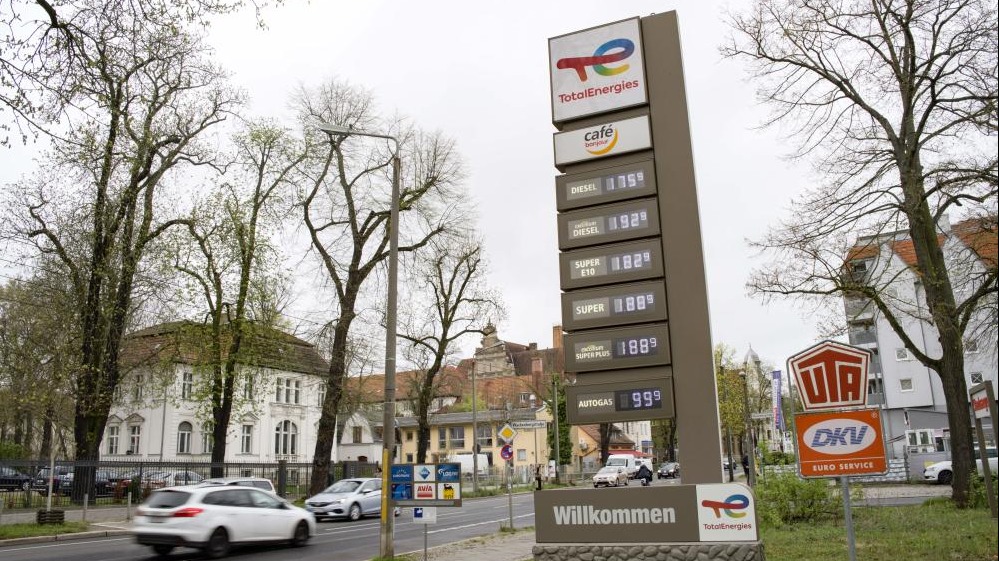
File photo: China Daily
Years of overseas earnings had masked elevated domestic costs, but tariffs set by the United States, the paradigm shift to electric vehicles, and weaker demand have eroded the margins that funded that balance.
Analysts told Reuters that the financial squeeze is forcing painful decisions, and Andrew Bergbaum of consultancy company AlixPartners said declining profits point to a "difficult winter" in labor negotiations.
"They (the unions) are in a very difficult place because companies aren't making any money, they're not investing any money, and management are increasingly bullish on trying to push through change," Bergbaum said.
Automakers and industry suppliers including Volkswagen, Mercedes-Benz, Bosch, and Schaeffler are moving to slash thousands of jobs, trim investment, and are considering shutting sites, setting up clashes with unions.
In October, Volkswagen posted its biggest operating loss in more than a decade, while Mercedes-Benz and BMW saw nine-month auto margins slide to 1.9 percent and 3.5 percent, from 14.9 percent and 8.7 percent four years earlier.
High-stakes negotiations between Volkswagen and IG Metall, Germany's biggest union, will begin on Tuesday, over new rounds of job and pay cuts.
Following recent one-day stoppages at BMW and Audi, IG Metall has warned it will strike at Volkswagen from Jan 1 if no deal is reached. The union's lead negotiator, Thorsten Groeger, said an agreement this year was "out of the question" and called the company's offer an insult to workers.
Wage levels have heightened the stakes as German auto workers remain the world's highest paid at $71 an hour, earning around 50 percent more than their US counterparts and more than three times those in Poland, according to economic research think tank the Kiel Institute.
Management argues deep cuts are essential to stay competitive and Volkswagen aims to finalize a plan for European factories by June 2027. Four German sites could be repurposed for military use, assigned vehicles for the Chinese market, or closed in the next decade, the company has said.
Shareholder groups have urged realism about the sector's stress.
Daniel Bauer, head of Germany's SdK investor protection association, said: "We have to make sure we overcome the current tsunami in the sector and that companies do not go insolvent in the medium term. The IG Metall must know this, too."
Supplier margins are also shrinking, with Europe's averaging 2.9 percent this year compared to 7.1 percent in 2018, according to research from advisory companies Roland Berger and Lazard.
Analysts say further restructuring appears likely.
"The fact is, for Germany's car industry, there are going to be more job losses or fewer jobs created, however you look at it," said Ian Henry of consultancy Auto-Analysis.