


Sustainable mobility in a changing world
Transport shapes how people live, work and trade. As cities grow and international commerce expands, making travel cleaner, more efficient and accessible to everyone has become an urgent global priority.
November 26 marks World Sustainable Transport Day, a UN initiative promoting safer, greener and better connected transport. The day carries added meaning in 2026, the first year of the UN Decade of Sustainable Transport (2026-2035).
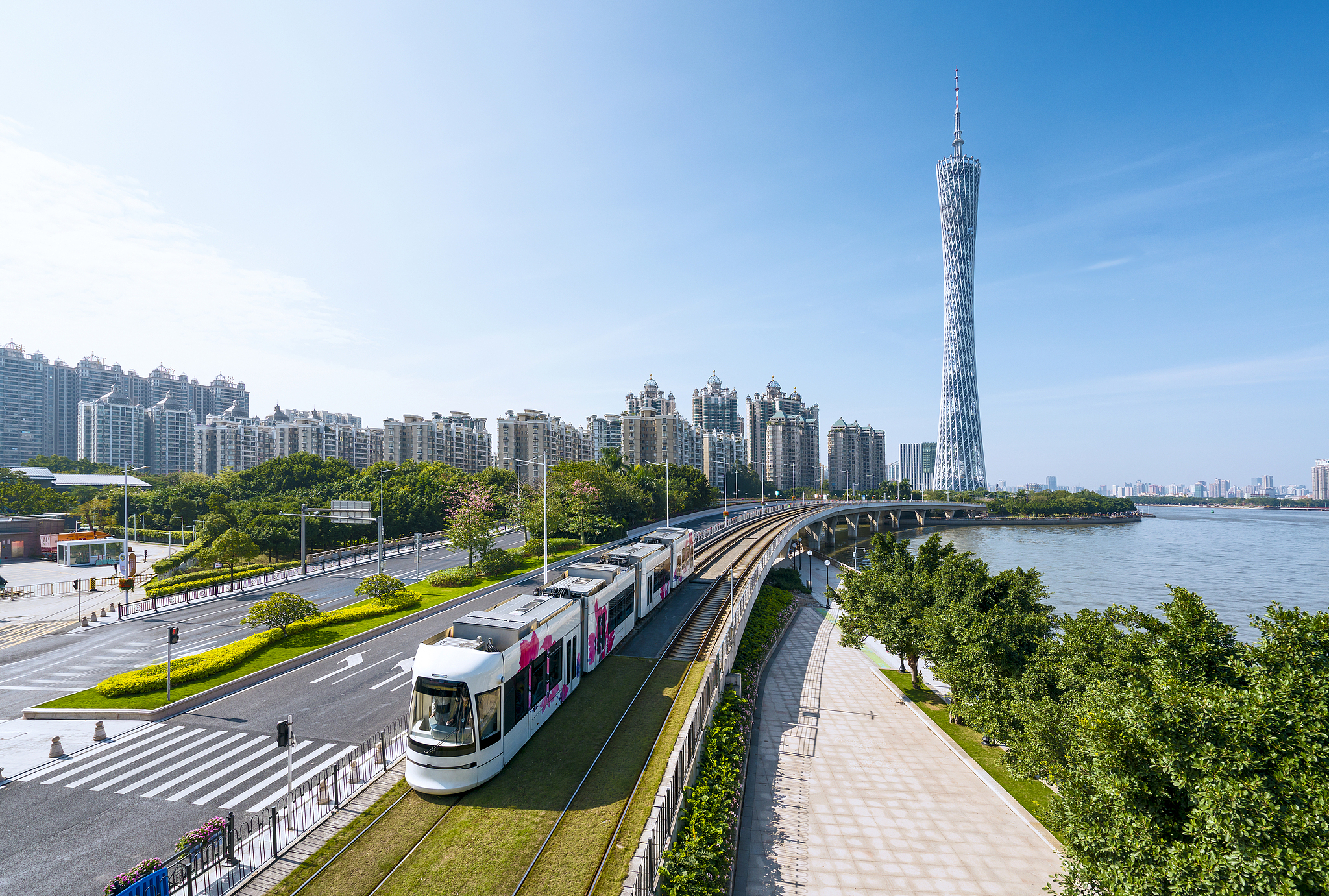
Haizhu Tram Line 1 in Guangzhou, Guangdong Province, south China. (Photo: VCG)
In cities, replacing gas-guzzling cars with electric ones is just one step towards greener daily journeys. To truly reduce car dependence, commuters need reliable public transit, safe cycling routes and seamless links between different modes of transport.
In Beijing, a city pilot lets riders bring bicycles onto select subway lines to link cycling with rail travel, while a 14-kilometer greenway along the Grand Canal in Tongzhou District offers a corridor for cycling and walking.

Grand Canal Forest Park in Tongzhou District, Beijing, China. (Photo: VCG)
Similar efforts are also underway in other parts of the world. In Denmark's capital Copenhagen, the city aims for at least 75% of all trips to be made on foot, by bicycle or by public transport.
Its network allows passengers to combine cycling with metro, train and bus services, making low-carbon travel a more practical everyday choice.
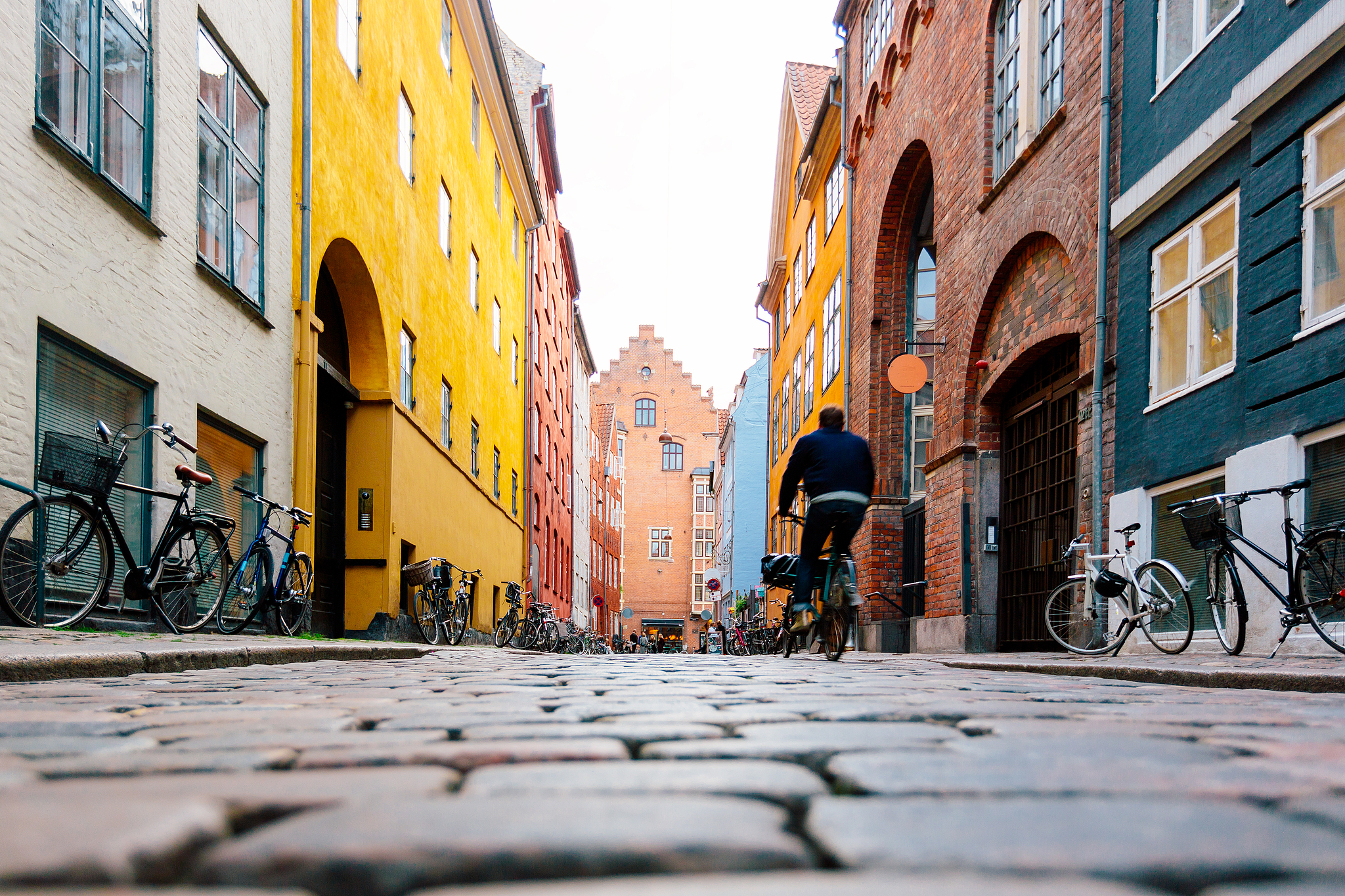
Magstræde Street in Copenhagen, Denmark. (Photo: VCG)
The same principle of connectivity applies to freight transport. In January 2026, a freight train carrying Chongqing-made new energy vehicles departed from Yuzui Station at Guoyuan Port in southwest China's Chongqing Municipality.
Scheduled to reach Nansha Port in Guangzhou, capital of south China's Guangdong Province within 48 hours, the route enabled the vehicles to be transferred onto a vessel bound for the Middle East.
It illustrates how rail and maritime transport can work together to connect inland manufacturing centers with overseas markets. International rail links are also expanding.
On November 20, Wuhan dispatched its 500th China-Europe freight train of the year. Since trial operations began in 2012, the service has expanded to 64 regular cross-border routes, connecting 167 cities in 46 countries.

Aerial view of a railway logistics hub in Shapingba District, Chongqing Municipality, southwest China. (Photo: VCG)
These examples highlight different ways to improve the movement of people and goods, but building sustainable transport systems requires more than infrastructure alone.
Reliable and affordable services, safer and more accessible facilities, better coordination between transport modes and closer international cooperation all matter.
The challenge is to make transport more connected and efficient while reducing its environmental impact and ensuring that its benefits are shared by all.