


Detonation of degraded lead azide in US's Iowa raises public concern
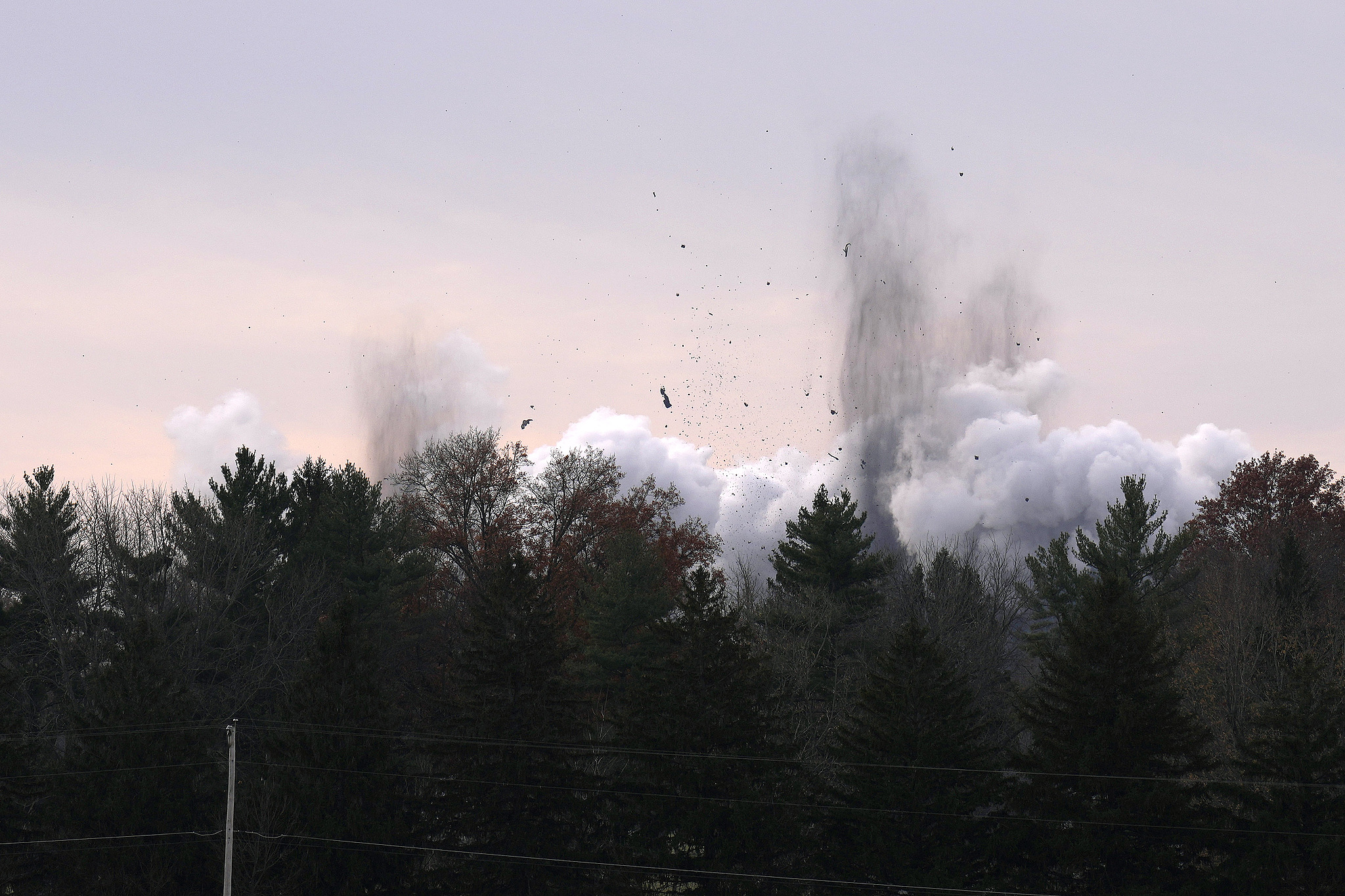
Smoke and debris are sent into the air after the US Army detonated lead azide in a controlled detonation at the Iowa Army Ammunition Plant in Middletown, Iowa, US, November 25, 2026. (Photo: VCG)
Public concern over potential toxic contamination has arisen after the US Army detonated nearly 5 tonnes of degraded lead azide at an ammunition plant in Middletown, southeastern Iowa, on Wednesday morning.
The army declared the "controlled detonation" a success, while video footage from local media showed the blast sending white and gray smoke high into the air.
Authorities evacuated people within a radius of more than 8 kilometers, local media reported. Residents were told to remain indoors until officials gave the all-clear hours after the explosion.
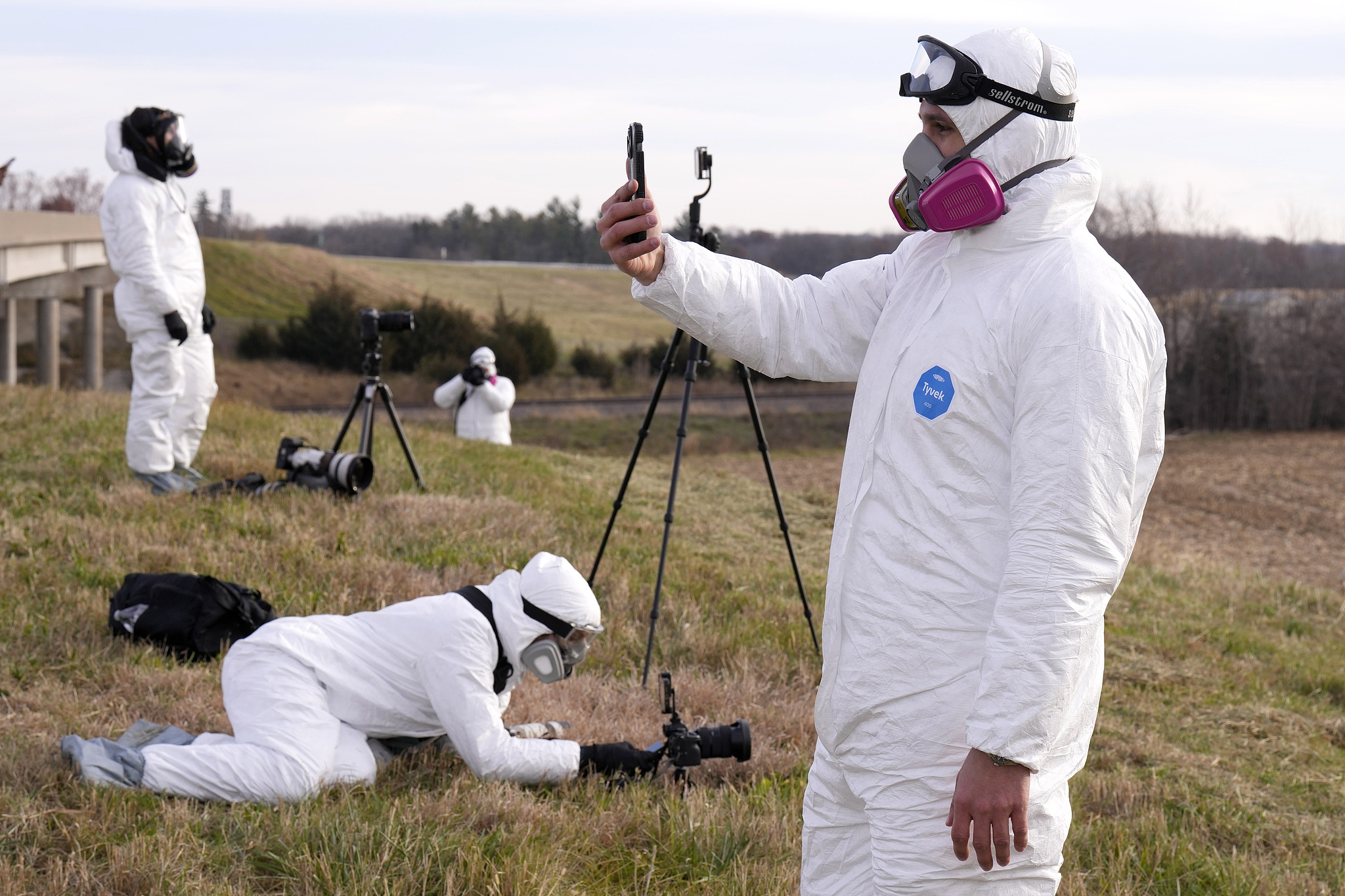
Photographers document a controlled detonation at the Iowa Army Ammunition Plant in Middletown, Iowa, US, November 25, 2026. (Photo: VCG)
Lead exposure can cause a range of health problems, particularly in children, in whom it can interfere with cognitive development. Once it settles in the environment, it does not break down.
Residents in the area expressed relief mixed with skepticism about the government's candor about emissions from the exploded chemicals.
"If you're going to blow them up, there are going to be some particles," said Rhonda Woodson, a former employee of the ammunition plant who lives in nearby Burlington, Iowa.
The US Environmental Protection Agency (EPA) said emission monitors detected "zero" levels of airborne lead in the surrounding region after the explosion.
What does 'zero' mean?
One independent expert, Jun Wu, an environmental health professor from the University of California at Irvine, said the early airborne readings were encouraging but "cannot alone tell us how much lead settled" on the ground.
"A monitor can be accurate where it sits and still miss a brief spike or lead passing somewhere else," Wu told Reuters. "It also matters how small an amount of lead the instruments can detect, how often they take measurements and what a zero actually means. A zero could mean the instrument found too little lead to detect or that it measured a small amount that was displayed as zero."
To limit the spread of dust and debris, the military used weather modeling, earth berms, sand-filled blocks and a water barrier containing more than 100,000 gallons of water.
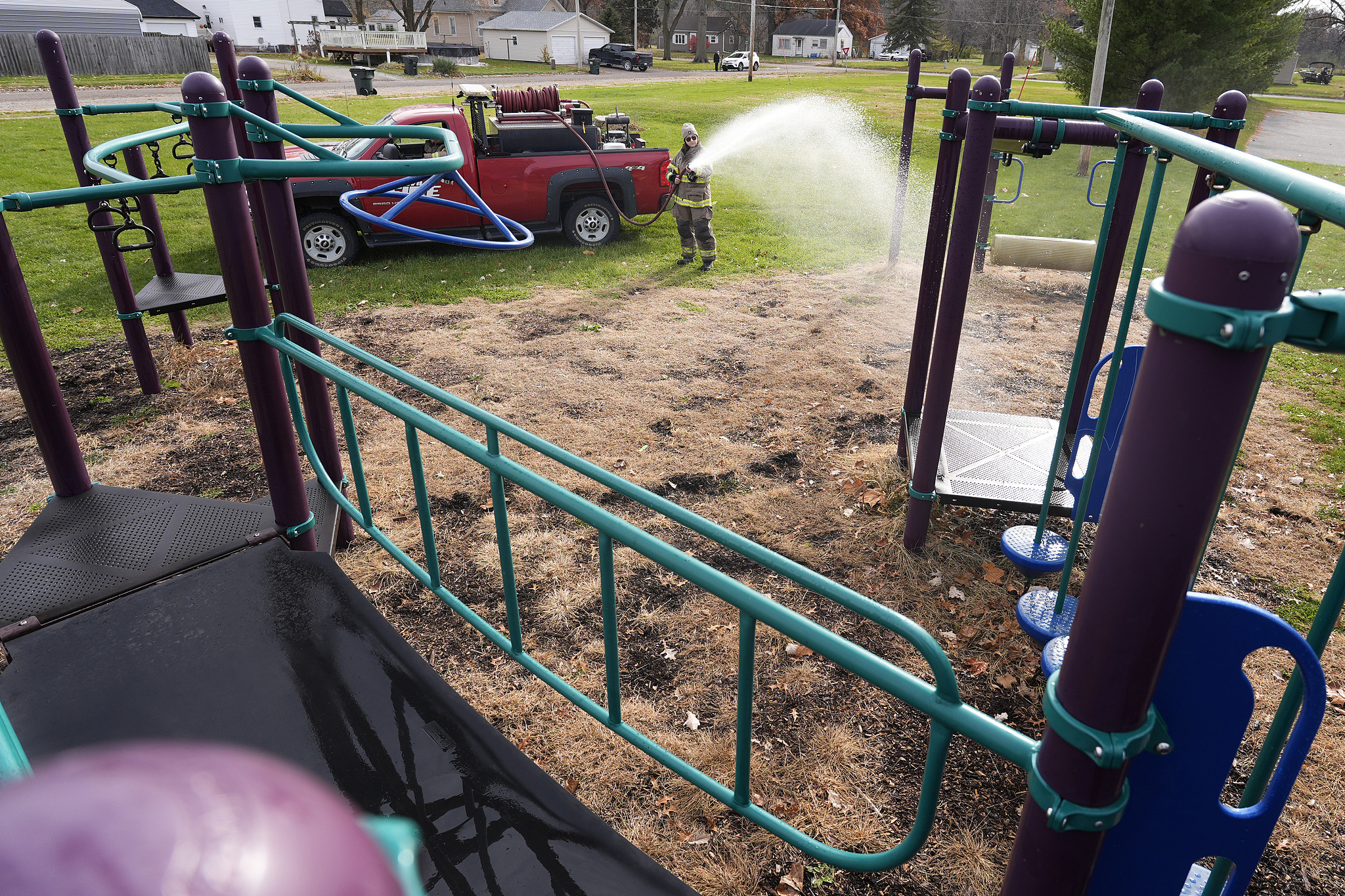
A fire department employee cleans off playground equipment at a park after a controlled detonation at the Iowa Army Ammunition Plant in Middletown, Iowa, US, November 25, 2026. (Photo: VCG)
Although the plume dissipated quickly, experts warned that it could take hours or even days to determine how much lead dust from the controlled detonation had been carried by the wind toward nearby homes, schools and farms.
The detonation followed the discovery that the degraded lead azide, a primary explosive used to initiate munitions, had crystallized and become increasingly unstable. Frigid temperatures could further increase the risk of an uncontrolled explosion.
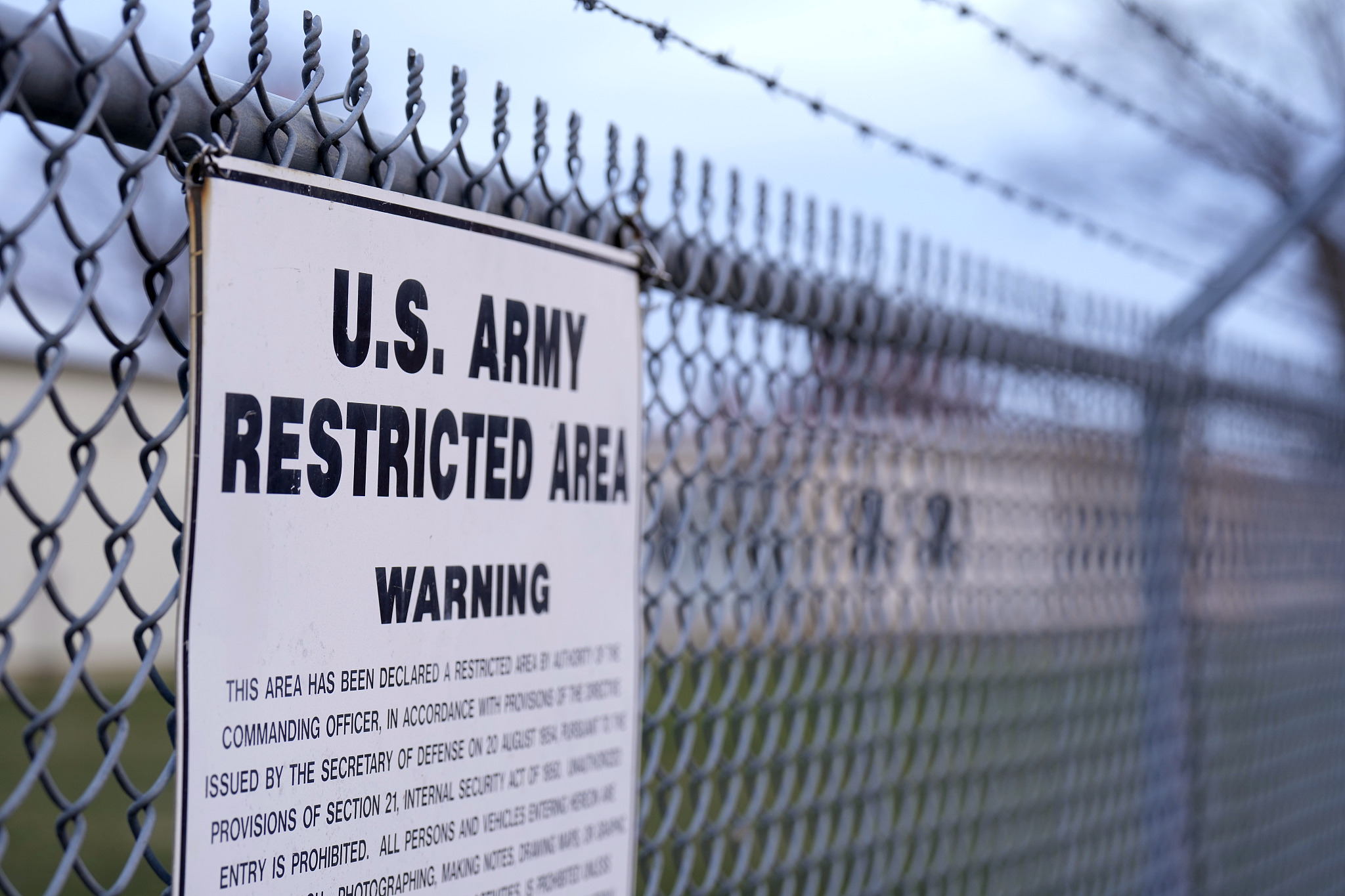
A sign posted on a fence surrounding the Iowa Army Ammunition Plant before a controlled detonation at the plant in Middletown, Iowa, US, November 25, 2026. (Photo: VCG)
The explosive, which was introduced as a military initiator during World War I, was transferred to Iowa in 2009.